Learn how a CB Charge fleet account simplifies consolidated billing for truck repairs at Professional Fleet Maintenance locations across South and Central Florida.
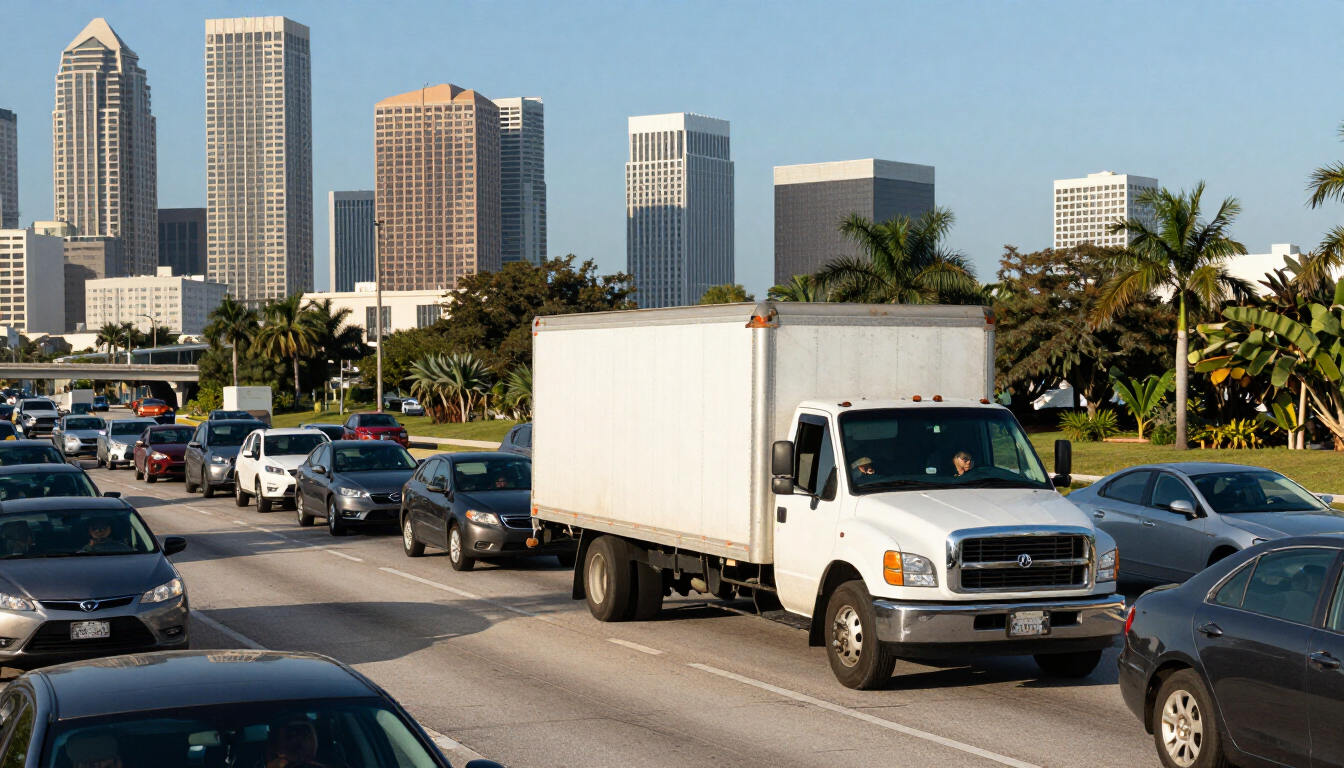
Discover why stop-and-go Tampa traffic is hard on diesel aftertreatment systems and how last-mile delivery fleets can prevent soot buildup and downtime.

An ASE-Certified guide to pre-storm fleet readiness in South Florida. Learn how to prep medium-duty trucks for Broward and Palm Beach storm seasons to ensure post-storm reliability.
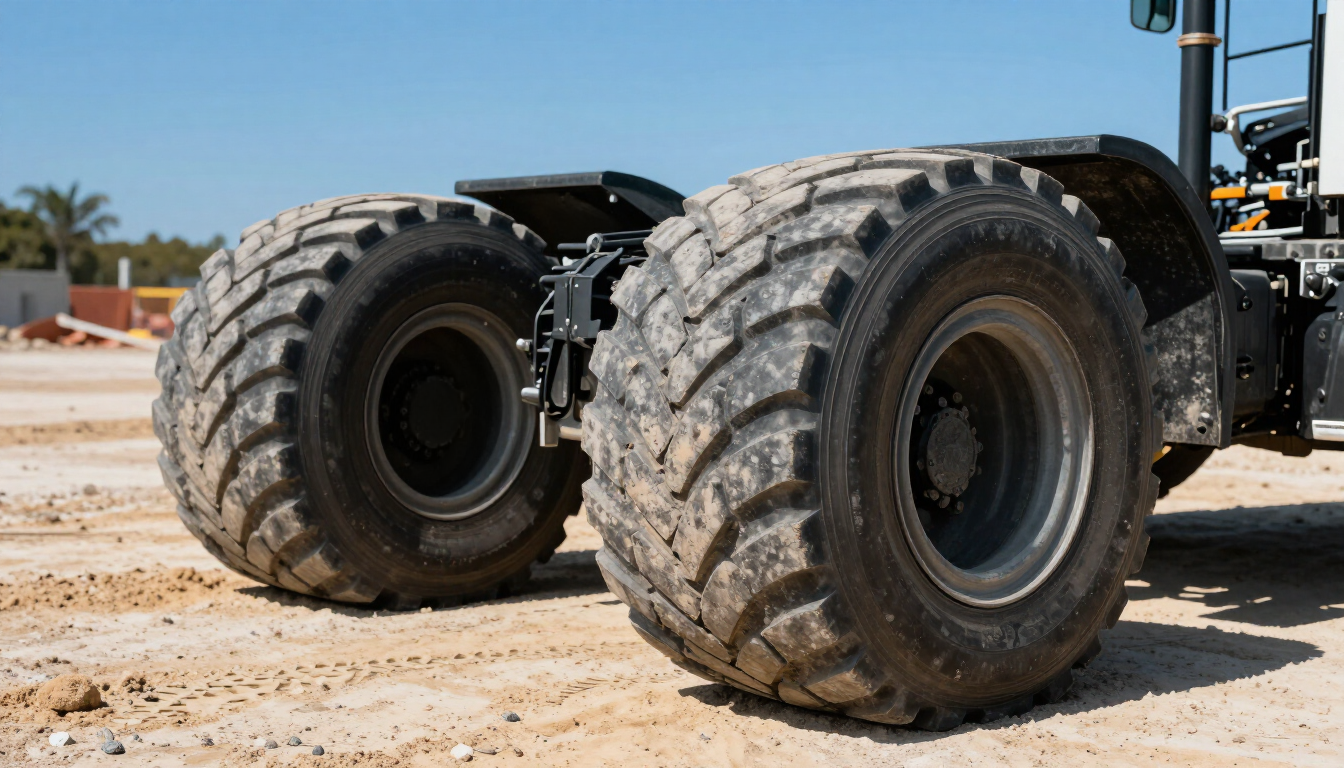
Expert advice on managing Florida work truck tires during summer. Avoid blowouts with pressure checks and professional maintenance in Central Florida.
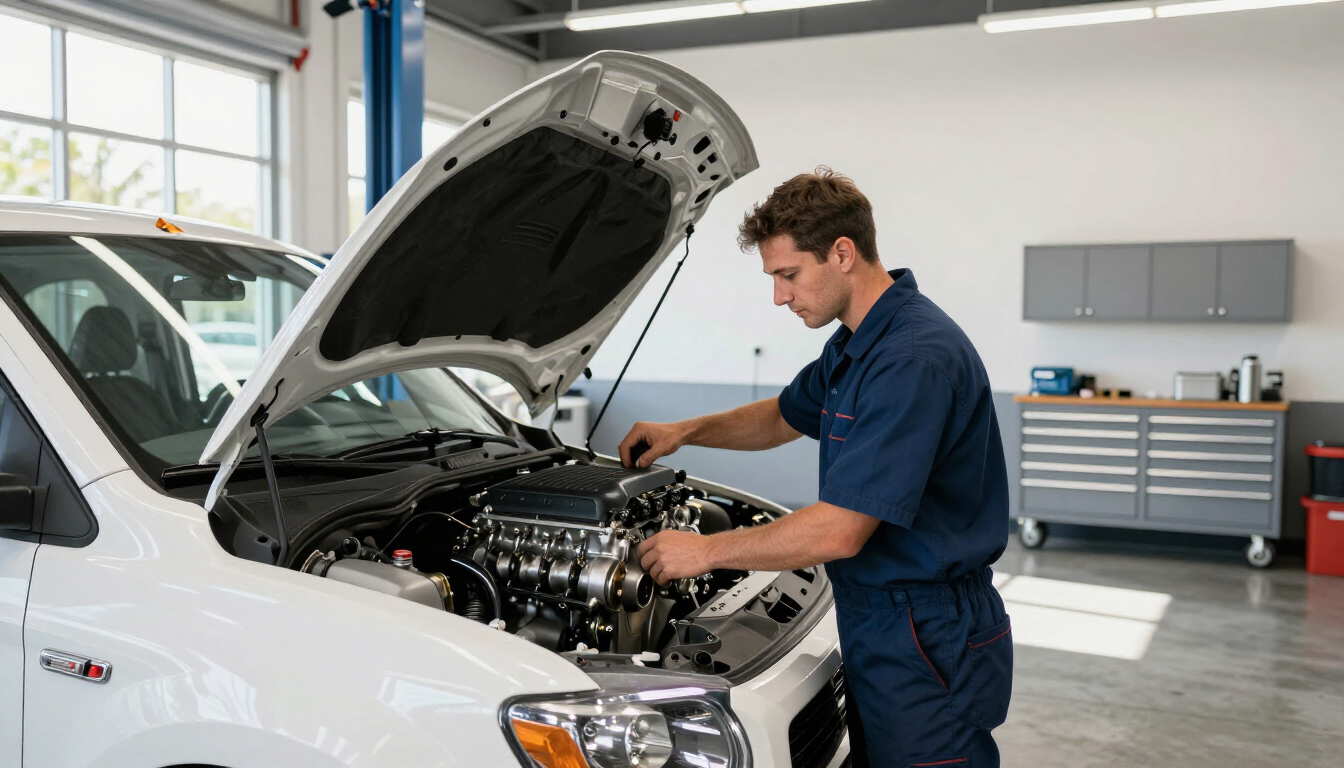
Learn why Professional Fleet Maintenance chooses JASPER remanufactured engines and transmissions to minimize downtime for Fort Lauderdale and Tampa fleets.
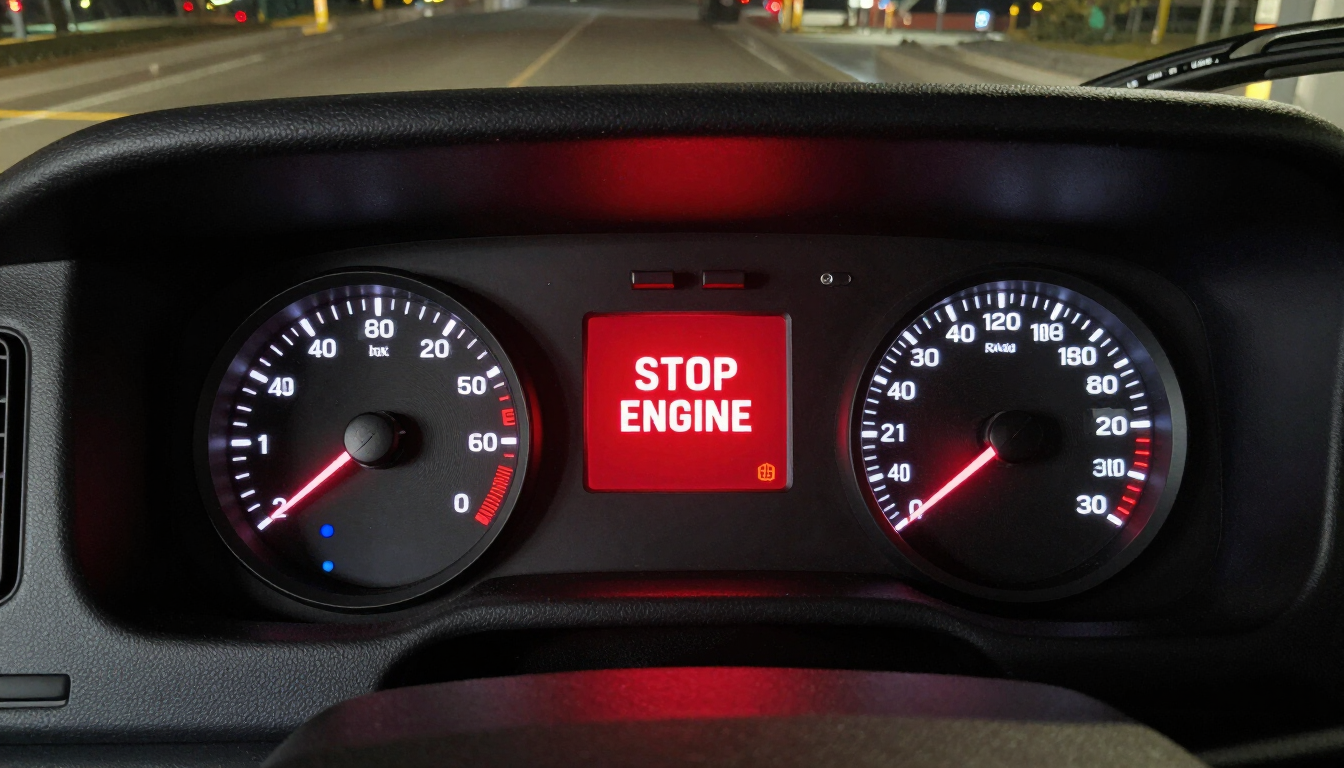
Learn which truck dash warnings require an immediate stop. Our ASE Certified technician explains red lamps, derates, and fault codes to save your engine and ensure safety.

Learn how to safely get your commercial fleet back on the road after a hurricane with professional post-storm inspection tips from ASE Certified technicians.
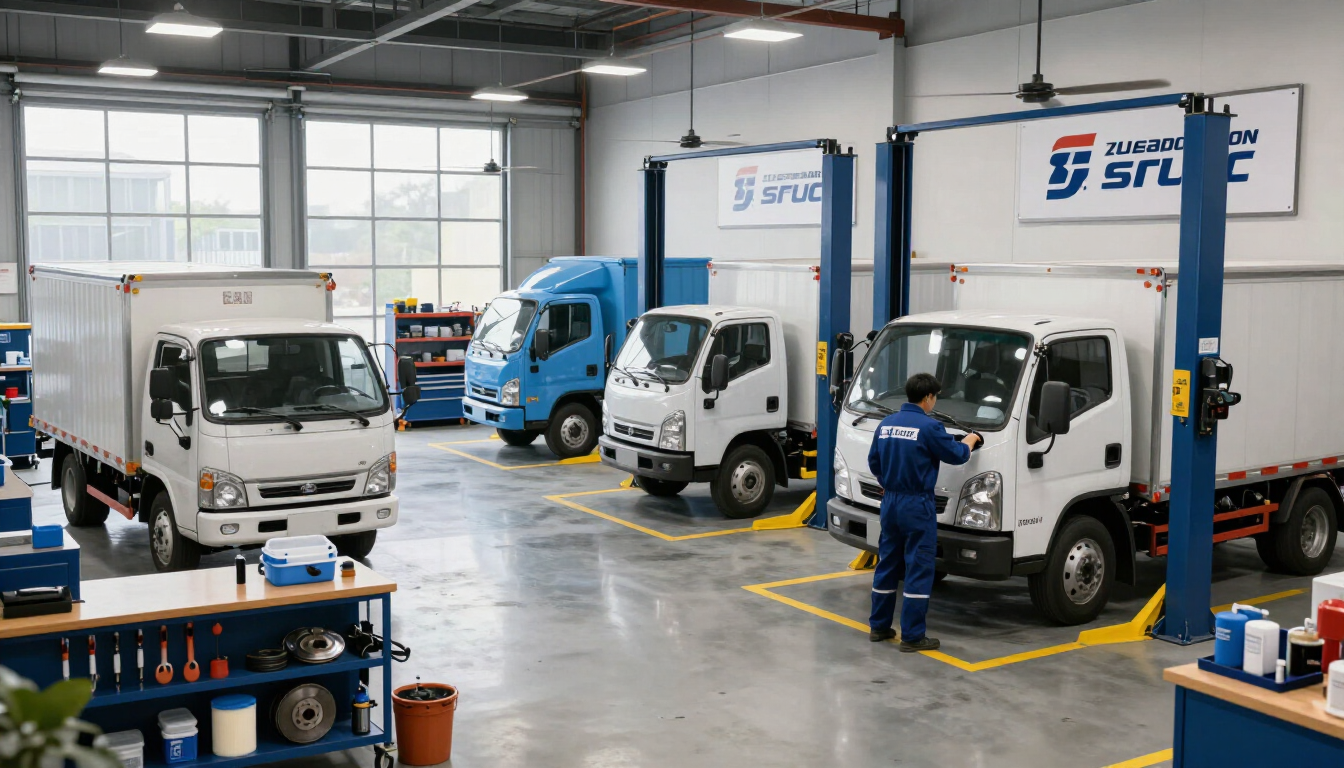
Simplify your truck repair billing with a cbCharge fleet account. Get one monthly invoice, 30-day terms, and a secure online portal at our Florida shops.
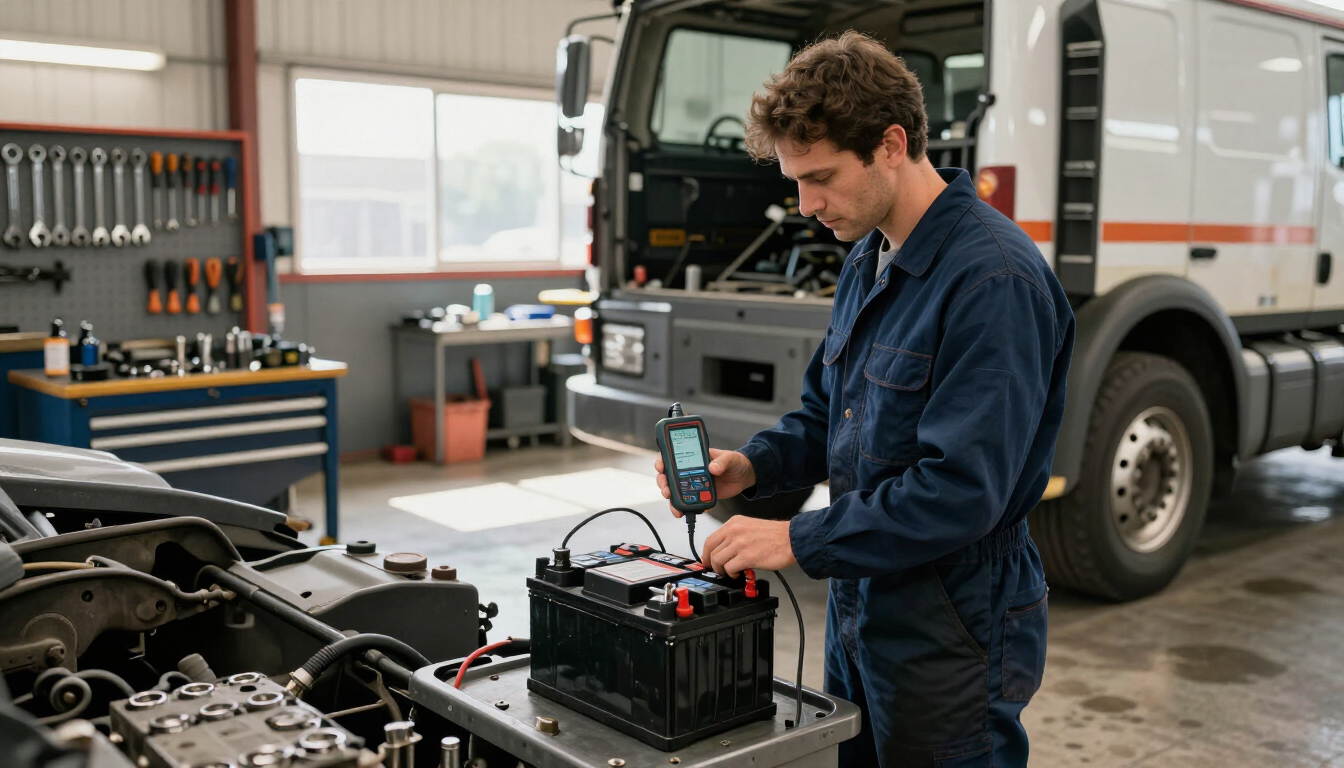
Learn why Florida heat is the #1 killer of commercial truck batteries. Discover warning signs and professional testing methods from an ASE-certified technician to avoid breakdowns.

Master your daily routine with our commercial truck walkaround guide. ASE Certified tips on tires, brakes, and leaks for Florida drivers from Professional Fleet Maintenance.