


5 Fleet Maintenance Checks Before Holiday Peak

Fleet maintenance before the holiday delivery peak means checking the systems most stressed by stop-and-go routes: brakes, tires, cooling, batteries, and aftertreatment. For South Florida fleets, an October preventive maintenance review gives technicians time to find developing problems, schedule repairs, and reduce the risk of December breakdowns in Broward and Palm Beach County.

Box trucks at a South Florida loading dock during holiday preparation

Why should fleets complete holiday maintenance in October?

October is a practical planning window because delivery demand has not yet reached its highest level. A fleet manager can identify defects, approve repairs, and rotate vehicles through the shop without waiting for an urgent failure.

On stop-and-go routes, trucks experience repeated braking, frequent starts, long idle periods, heat exposure, and heavy accessory use. Those conditions can expose weak components faster than steady highway driving. A problem that seems manageable in October may become a missed route or roadside call when schedules tighten in December.

An October review also creates a clear action list:

  • Repair safety-critical concerns first.
  • Schedule parts and technician time before demand rises.
  • Separate immediate repairs from items that can be monitored.
  • Document each vehicle’s condition for dispatch planning.
  • Keep reserve vehicles ready for peak-route coverage.

For broader planning, review Professional Fleet Maintenance’s preventative maintenance services and fleet services .

1. Are the brakes ready for stop-and-go delivery routes?

Brake wear deserves an early inspection because local delivery trucks may stop dozens of times during a route. A technician should evaluate the complete braking system rather than looking only at visible pad or shoe wear.

The inspection may include:

  • Pads, shoes, rotors, drums, and friction surfaces
  • Calipers, wheel cylinders, hardware, and adjusters
  • Air or hydraulic brake operation, as applicable
  • Hoses, lines, leaks, warning lights, and pedal feel
  • Uneven wear that may point to a deeper issue

Drivers may notice pulling, vibration, noise, a soft pedal, increased stopping distance, or a warning indicator. These symptoms should not be ignored or treated as normal delivery-route wear.

A brake check is especially valuable before a seasonal increase in vehicle loading. More cargo and frequent stops can make an existing brake problem more noticeable. Use the brake service page to connect this check with a complete repair evaluation.

2. What should a fleet inspect on its tires?

Tires affect braking, handling, fuel use, and route reliability. A quick walk-around is useful, but a professional inspection can identify conditions that are easy to miss when a truck is parked.

Look for:

  • Uneven tread wear across the tire
  • Low or inconsistent inflation
  • Cuts, punctures, bulges, or sidewall damage
  • Irregular wear that may signal alignment or suspension trouble
  • Worn valve components or damaged wheels

Stop-and-go routes create repeated cornering, curb contact, and acceleration. Florida heat can also make tire condition more important, especially when vehicles operate for long hours. Tire pressure should be checked with an accurate gauge and according to the vehicle and tire manufacturer’s requirements.

Uneven wear is not only a tire issue. It may indicate worn suspension components , steering parts, alignment concerns, or an overloaded vehicle. Finding the cause is more useful than replacing a tire and sending the truck back out with the same underlying problem.

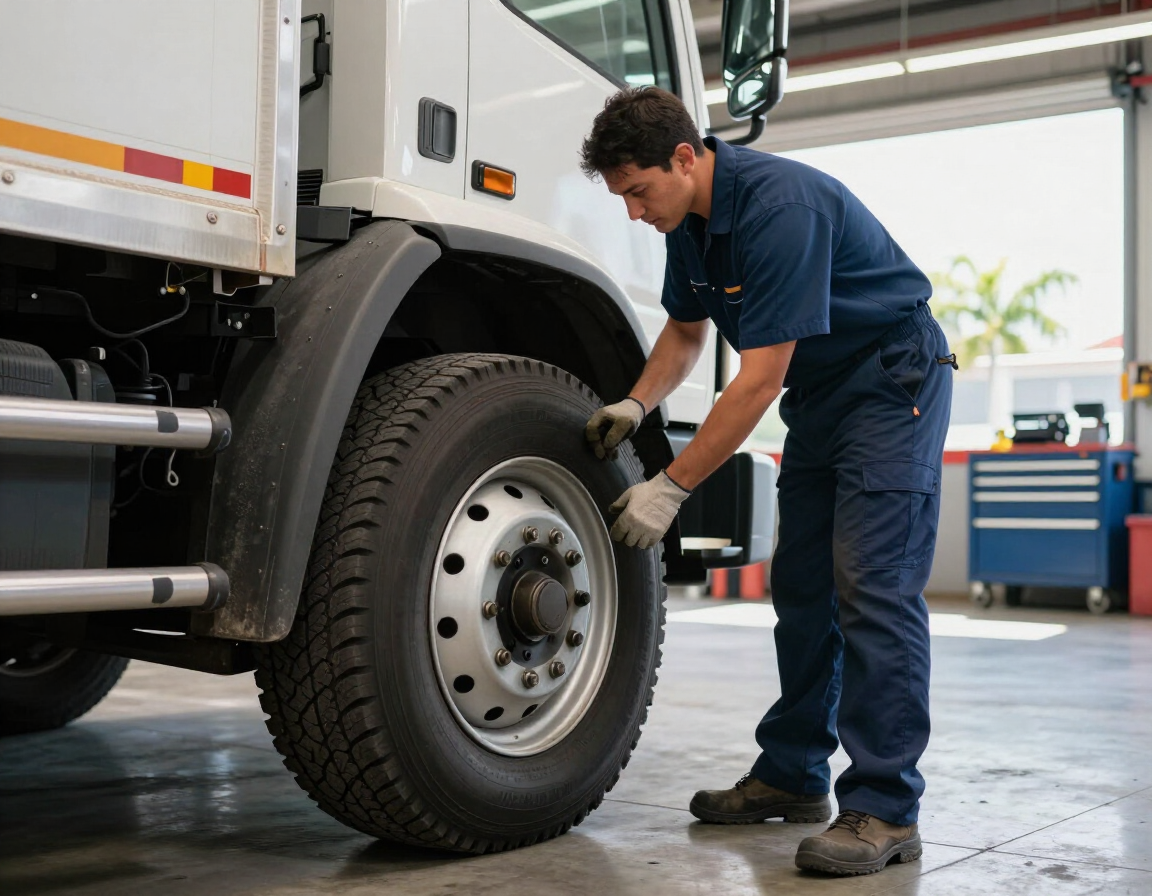
Technician inspecting a commercial truck tire and wheel assembly

3. How can you prevent cooling-system trouble?

Cooling-system problems can turn a productive route into a disabled vehicle, particularly during hot Florida weather. Before peak season, inspect the radiator, hoses, belts, fan operation, thermostat-related symptoms, and coolant condition.

Technicians should look for leaks, soft or swollen hoses, damaged clamps, restricted airflow, corrosion, and signs of overheating. A pressure test or other diagnostic procedure may be appropriate when the inspection suggests a leak or loss of system integrity.

Drivers should report temperature changes, coolant odor, visible leaks, steam, repeated low-coolant warnings, or a gauge that runs higher than usual. Waiting for the temperature warning to become severe can increase the chance of engine damage.

A cooling inspection is not limited to the radiator itself. Belts and hoses age, connections loosen, and debris can reduce airflow. If a truck has a history of running hot, schedule an evaluation through radiator repair or overheating service before the route calendar becomes crowded.

4. Are batteries and electrical connections dependable?

Delivery vehicles may make frequent starts, idle for extended periods, and run lights, liftgate equipment, refrigeration, cabin controls, and telematics. That combination puts additional demand on the starting and charging system.

A useful pre-peak check includes:

  • Battery condition and test results
  • Terminal cleanliness and tightness
  • Cable condition, grounds, and visible corrosion
  • Alternator output and charging behavior
  • Starter performance and parasitic electrical concerns
  • Warning lights or intermittent electrical symptoms

A battery that starts a truck today may still be nearing the end of its useful life. Testing is more reliable than judging condition by appearance alone. Electrical complaints should also be documented by vehicle, because intermittent faults can become recurring delays when temperatures, route hours, or accessory loads change.

For help with starting and charging concerns, see battery and electric service . Addressing small connection or charging issues in October may prevent a no-start call during a tightly scheduled delivery morning.

5. What does aftertreatment health mean for delivery trucks?

Aftertreatment health refers to the condition and operation of the systems that help control diesel exhaust. Short routes, extended idling, and repeated low-speed operation can create operating conditions that deserve attention during a seasonal inspection.

A technician can review warning lights, fault codes, sensor readings, regeneration history where available, and other diagnostic information. The goal is to identify developing problems and follow the manufacturer’s service process—not to ignore, defeat, remove, or bypass an emissions system.

Drivers should report reduced power, unusual exhaust behavior, repeated warning messages, poor regeneration behavior, or a check-engine light. A scan tool can help connect a symptom to the correct system instead of relying on guesswork or replacing unrelated parts.

Pair this review with diagnostics and medium duty truck service . Early diagnosis gives the fleet more choices: repair the vehicle, schedule additional testing, or plan a substitute unit before peak delivery pressure arrives.

Technician using a scan tool on a medium-duty delivery truck

How should a fleet prioritize findings?

Not every finding requires the same response. A practical review groups results by safety, reliability, and scheduling impact.

  1. Address safety concerns first. Braking, steering, tire, and severe suspension problems should receive immediate attention.
  2. Schedule failure risks next. Cooling, charging, starting, and aftertreatment issues can remove a truck from service if ignored.
  3. Plan wear-item repairs. Document components that are usable now but approaching replacement or further inspection.
  4. Match repairs to route needs. A truck assigned to dense urban stops may need different attention than one on longer regional runs.
  5. Confirm readiness before peak weeks. Review completed work, road-test vehicles when appropriate, and update dispatch records.

This process helps managers make decisions based on vehicle condition rather than calendar pressure. It also gives technicians better information when drivers consistently report symptoms.

October fleet maintenance checklist

Before holiday volume increases, ask your maintenance partner to review:

  • Brake condition and stopping symptoms
  • Tire wear, inflation, damage, and related suspension concerns
  • Cooling-system leaks, airflow, hoses, belts, and temperature history
  • Battery, starter, alternator, cables, and grounds
  • Diagnostic codes, warning lights, and aftertreatment performance

When possible, bring service records and driver notes to the inspection. Include the vehicle identification, route type, recent symptoms, and any repeated warning messages. Clear information can shorten troubleshooting time and help the technician focus on the systems most likely to affect uptime.

What should you do next?

October is the right time to evaluate delivery trucks before holiday routes leave less room for repairs. The five priority areas are brakes, tires, cooling, batteries, and aftertreatment health because each can affect safety, uptime, or route completion. Start with the vehicles carrying the heaviest workload or showing repeated symptoms, then schedule the rest of the fleet in manageable groups. If a truck has a warning light, overheating history, starting issue, braking concern, or unusual tire wear, arrange an inspection rather than waiting for a December breakdown. Schedule an appointment with Professional Fleet Maintenance for support in South Florida.

Work truck after storm flooding on a wet road
By Samantha Boylls • October 12, 2026
Learn what to do with a work truck after storm flooding. An ASE Certified technician explains what professionals inspect in Miami-Dade and Broward.
Close up of a commercial truck dashboard with illuminated warning lights.
September 28, 2026
Learn what common commercial truck dashboard warning lamps mean from an ASE-certified tech. Know which symbols require an immediate stop to prevent engine damage.

Professional fleet maintenance service counter and billing office
September 21, 2026
Learn how a CB Charge fleet account simplifies consolidated billing for truck repairs at Professional Fleet Maintenance locations across South and Central Florida.

White delivery truck in Tampa traffic representing diesel aftertreatment challenges.
September 14, 2026
Discover why stop-and-go Tampa traffic is hard on diesel aftertreatment systems and how last-mile delivery fleets can prevent soot buildup and downtime.
Technician inspecting medium duty truck for storm readiness
September 7, 2026
An ASE-Certified guide to pre-storm fleet readiness in South Florida. Learn how to prep medium-duty trucks for Broward and Palm Beach storm seasons to ensure post-storm reliability.
Medium duty truck tires on a Florida construction site
August 24, 2026
Expert advice on managing Florida work truck tires during summer. Avoid blowouts with pressure checks and professional maintenance in Central Florida.
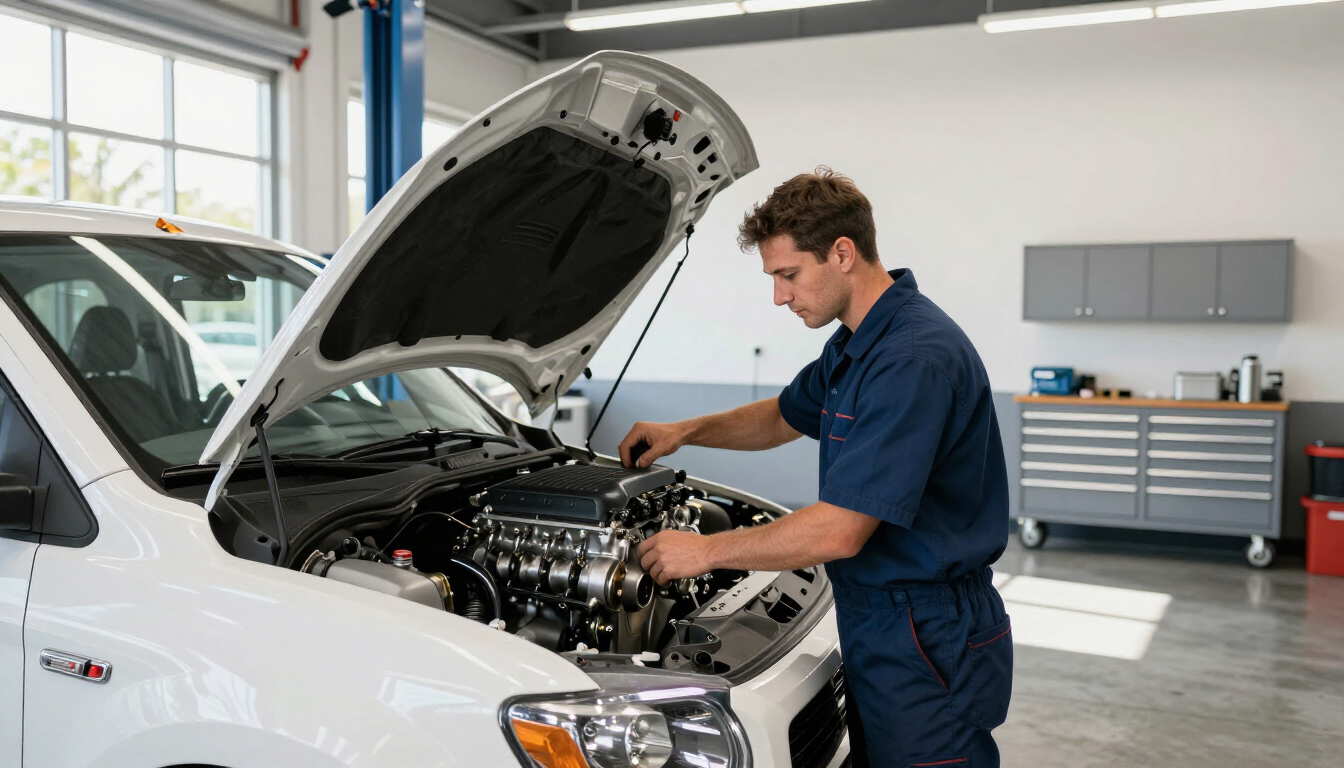
ASE Certified technician installing a JASPER remanufactured engine in a fleet truck.
August 17, 2026
Learn why Professional Fleet Maintenance chooses JASPER remanufactured engines and transmissions to minimize downtime for Fort Lauderdale and Tampa fleets.
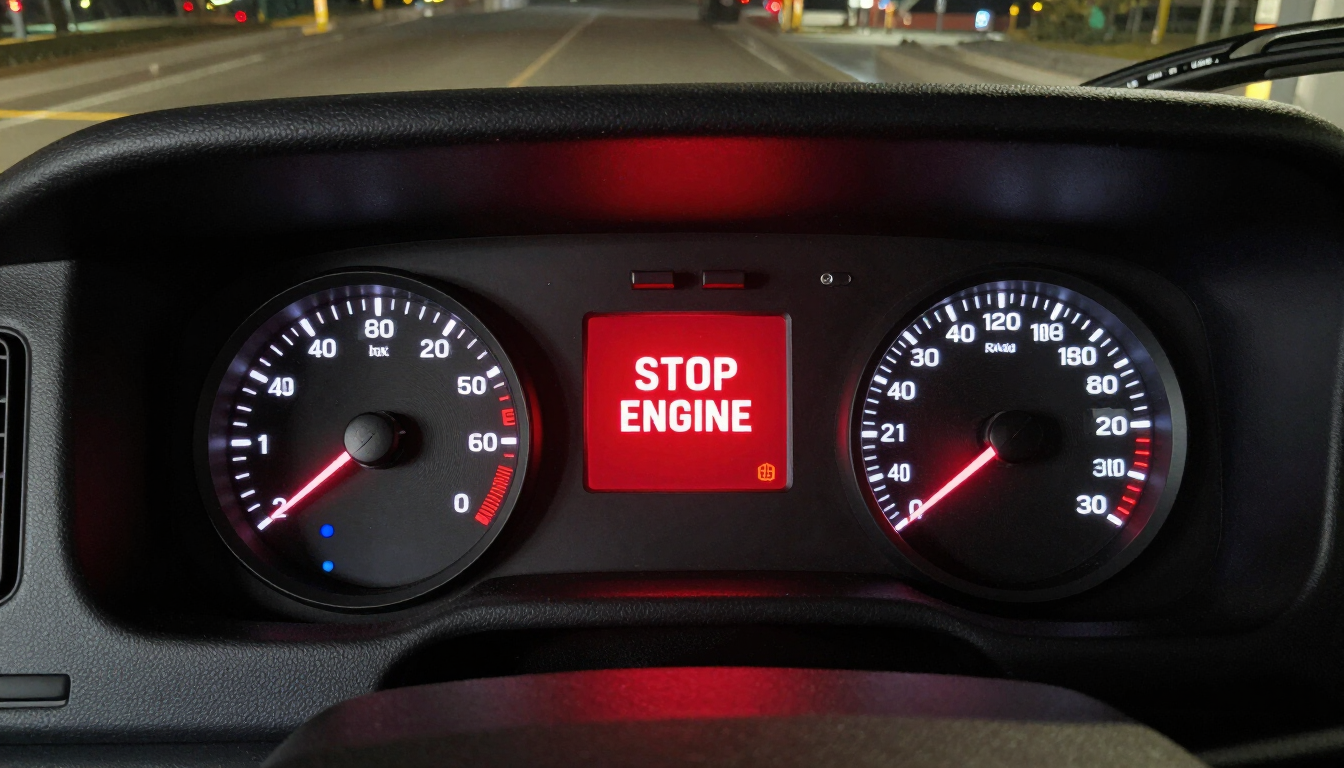
Commercial truck dashboard with glowing red warning lights illuminated.
August 7, 2026
Learn which truck dash warnings require an immediate stop. Our ASE Certified technician explains red lamps, derates, and fault codes to save your engine and ensure safety.
Mobile fleet service van parked next to a line of commercial trucks in Florida.
August 3, 2026
Learn how to safely get your commercial fleet back on the road after a hurricane with professional post-storm inspection tips from ASE Certified technicians.
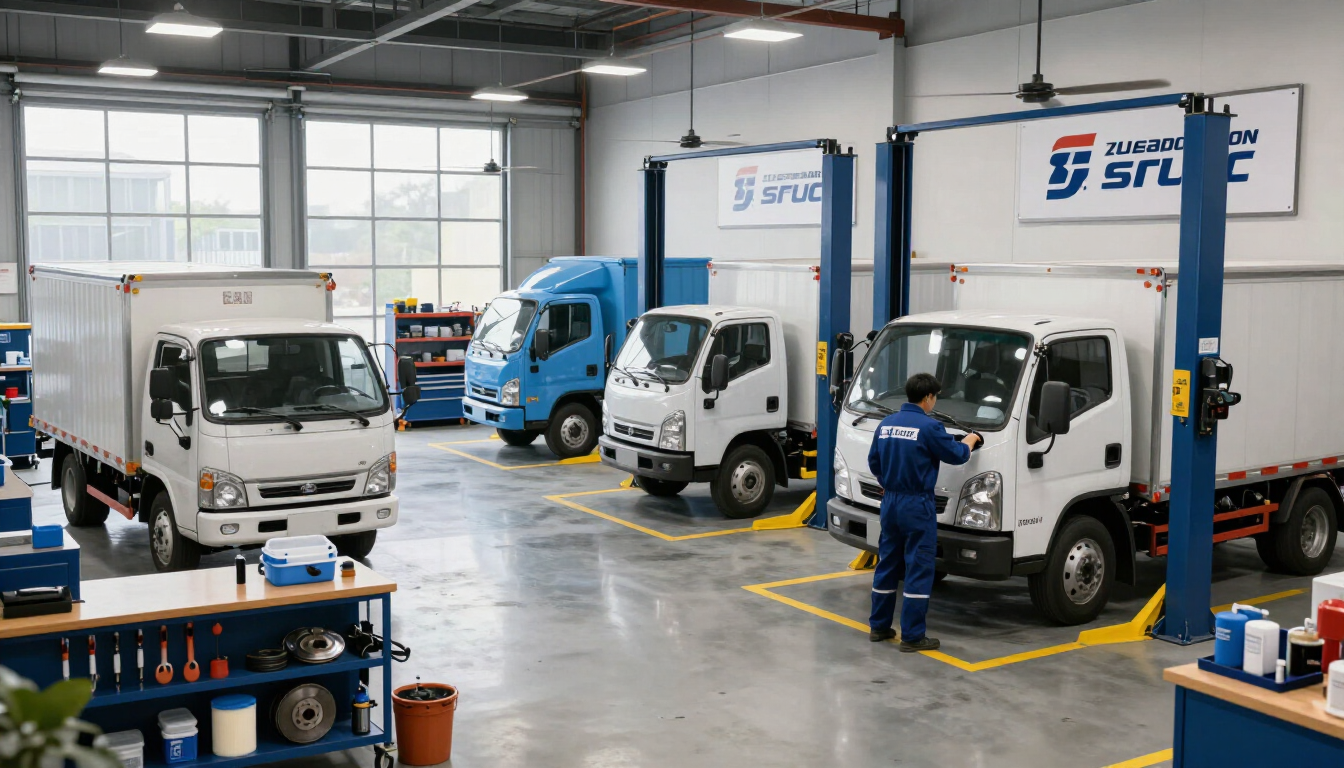
Medium duty trucks inside a professional fleet service shop bay.
July 27, 2026
Simplify your truck repair billing with a cbCharge fleet account. Get one monthly invoice, 30-day terms, and a secure online portal at our Florida shops.
Show More