5 Ways Tampa Traffic Clogs Diesel Aftertreatment Systems
Diesel aftertreatment systems struggle in stop-and-go Tampa traffic because low speeds and heavy idling prevent exhaust temperatures from reaching the necessary levels for a complete regeneration cycle. This leads to soot accumulation, frequent warning lights, and performance degradation for last-mile delivery fleets operating in urban environments.
Why does Tampa traffic damage diesel aftertreatment systems?
If you operate a last-mile delivery fleet in TAMPA, FL , you know that the daily commute is less of a drive and more of a crawl. Whether your drivers are navigating the gridlock on I-275, sitting through endless light cycles on Dale Mabry Highway, or inching across the Howard Frankland Bridge, their trucks are facing a silent enemy: soot buildup. Diesel aftertreatment systems are designed to clean exhaust by trapping particulate matter, but they require heat—lots of it—to function correctly.
In a perfect world, a diesel truck would maintain a steady highway speed for thirty to forty-five minutes. This creates the sustained exhaust temperatures required for "passive regeneration," where the heat naturally burns off the soot trapped in the filter. However, Tampa’s urban landscape forces trucks into a cycle of short bursts of acceleration followed by long periods of idling. This environment is the exact opposite of what these systems need, causing the system to work harder and fail more frequently.
Understanding the regeneration process
To understand why traffic is so detrimental, we have to look at how the truck tries to clean itself. When passive regeneration isn't possible because the exhaust isn't hot enough, the engine management system initiates an "active regeneration." During this process, the engine injects extra fuel into the exhaust stream to artificially raise the temperature and incinerate the soot.
The problem for delivery fleets is that an active regeneration cycle takes time—often 20 minutes or more of consistent operation. If a driver reaches their next delivery stop and shuts off the engine mid-regen, the process is aborted. When this happens repeatedly throughout a shift, the soot load continues to climb until the system reaches a critical state. This is why FLEET SERVICES providers often see trucks coming in with "limp mode" issues despite the drivers reporting that they see the regen light frequently.
How do short trips prevent successful regens?
Last-mile delivery is defined by short trips. A driver might go three miles, stop for ten minutes, go another two miles, and stop again. In these scenarios, the engine rarely reaches its optimal operating temperature, let alone the extreme temperatures required for the aftertreatment system to stay clean. When the system detects a high soot load, it will attempt to start a regen, but the truck is often parked and turned off before the cycle can finish.
Every time a cycle is interrupted, the soot remains in the filter and begins to harden. Over time, this creates a "face plugging" effect on the filter surface. Once the filter is significantly restricted, the engine has to work harder to push exhaust through, which further increases fuel consumption and places additional stress on the turbocharger. For operators focusing on PREVENTATIVE MAINTENANCE , understanding this cycle is key to avoiding major repairs down the road.
The hidden cost of excessive idling
Idling is a way of life in the delivery world, especially in the Florida heat where drivers need the A/C to stay safe and productive. However, from the perspective of an ASE-CERTIFIED technician, excessive idling is one of the worst things you can do to a modern diesel engine. During idle, the combustion chamber isn't as efficient, and the exhaust gas temperatures (EGTs) drop significantly.
Low EGTs lead to incomplete combustion, which produces more particulate matter (soot). Because the truck isn't moving, there is no airflow to help manage heat, and the aftertreatment system becomes a sponge for this excess soot. This is a primary reason why trucks used for urban deliveries require much more frequent attention than those used for long-haul trucking. The hours on the engine often tell a more accurate story of wear and tear than the mileage on the odometer.
What are the early warning signs of system failure?
As a fleet manager, you don't want to wait for a truck to break down on the side of the road. There are several early warning signs that your diesel aftertreatment system is struggling with the Tampa traffic:
- Increased Fuel Consumption : If your fuel bills are creeping up without a change in routes, the engine might be struggling against a restricted exhaust.
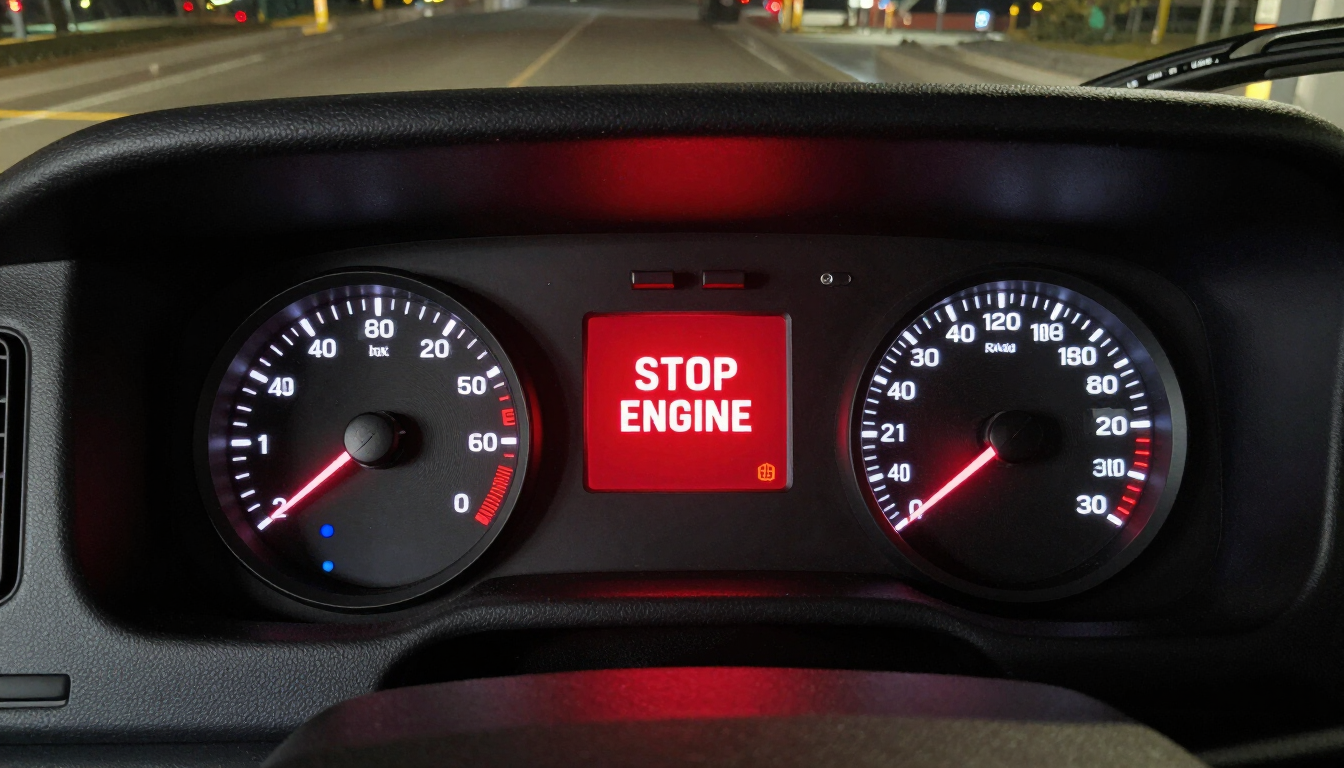
- Frequent "Regen Needed" Messages : If the dashboard light is coming on daily, the system is failing to complete its cycles.
- A Noticable Loss of Power : The truck might feel sluggish or "heavy" when accelerating from a stop.
- Unusual Exhaust Smells : A pungent or "baking" smell can indicate the system is trying and failing to reach temperature.
- Darker Exhaust Smoke : Modern diesels should produce very little visible smoke; any change suggests the filter is compromised.
Professional diagnostic steps for delivery fleets
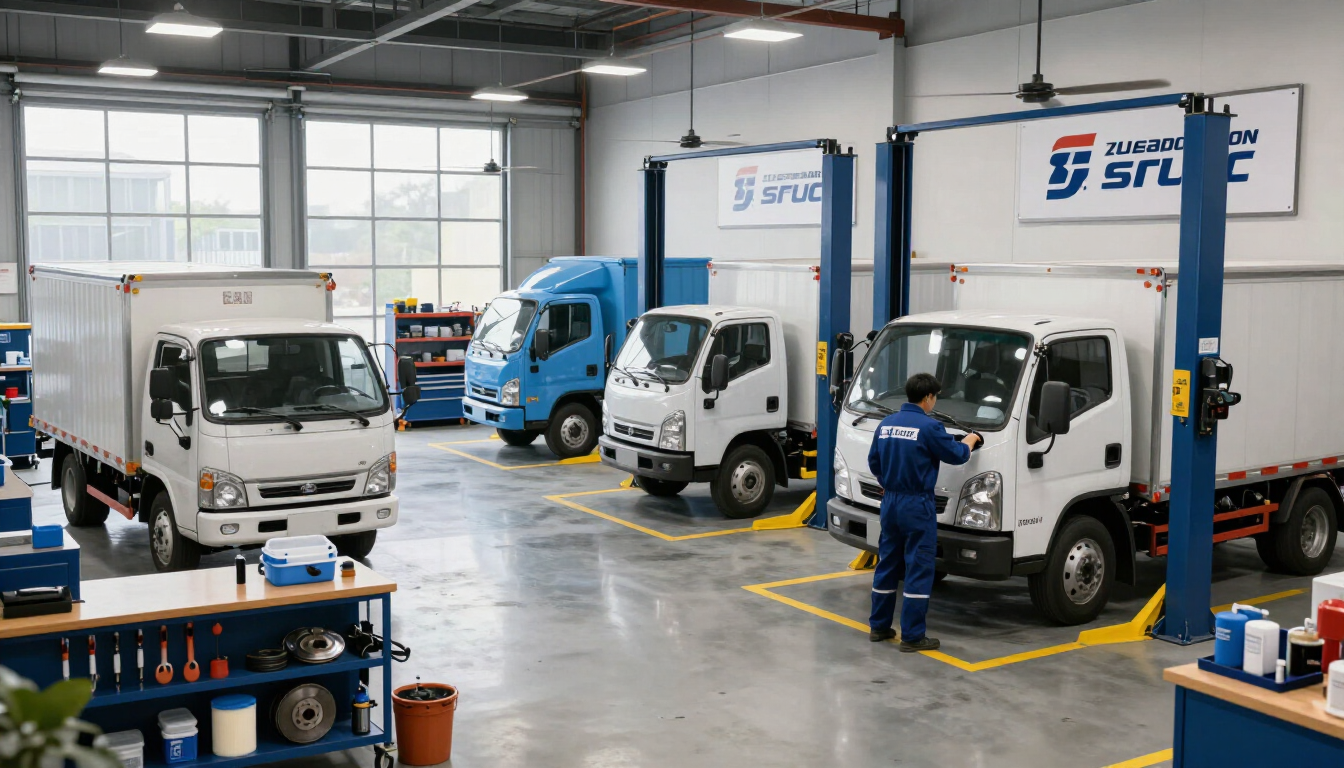
When a truck comes into our shop, we don't just guess at the problem. We use advanced DIAGNOSTICS to communicate directly with the engine control module (ECM). We look at data points like pressure differentials across the filter and the temperature sensor readings. This data tells us exactly how much soot is trapped and whether the hardware—like the injectors or sensors—is functioning as intended.
For delivery fleets, we often see that the issue isn't just a dirty filter, but a failed sensor that is giving the ECM incorrect information. In Tampa's humid environment, electrical connectors can sometimes experience corrosion, leading to false readings that trigger unnecessary regens or prevent necessary ones from starting. A professional scan is the only way to differentiate between a simple maintenance need and a complex component failure.
What does an ASE Certified technician check during a scan?
During a professional MEDIUM DUTY TRUCK SERVICE visit, an ASE Certified technician performs a deep dive into the system's health. We don't just clear codes; we look for the root cause of the soot accumulation. This includes checking the efficiency of the Diesel Oxidation Catalyst (DOC) and ensuring the Selective Catalytic Reduction (SCR) system is correctly dosing the exhaust with Diesel Exhaust Fluid (DEF).
We also monitor the "soot load" percentage. If the load is too high for the truck to clear itself through a standard active regen, we can perform a "forced regeneration" in the shop. This is a controlled process where the technician uses the scan tool to command the truck to run a high-temperature cycle while parked, allowing us to monitor every parameter in real-time to ensure the system clears safely. This is a vital service for trucks that spend their lives in the stop-and-go environment of downtown Tampa or the industrial parks of Brandon.
Maintenance strategies for last-mile operators
To keep your fleet running efficiently, you need a strategy that acknowledges the reality of Tampa traffic. We recommend that operators implement a few simple habits to extend the life of their aftertreatment systems. First, if a driver sees a regen light at the end of their shift, allow the truck to run until the cycle is finished rather than shutting it down immediately. Those extra ten minutes can save hours of downtime later.
Second, ensure you are using the highest quality low-ash engine oil. Standard oils can contribute to ash buildup in the filter that cannot be burned off through regeneration. Ash is a permanent restriction that eventually requires professional cleaning or replacement. Lastly, stay on top of your DEF system. Using clean, fresh fluid and keeping the tank topped off ensures the chemical reaction needed to neutralize NOx gases happens correctly, reducing the overall burden on the system.
How can regular maintenance prevent system clogs?
Regular maintenance is the most effective way to combat the effects of urban driving. By scheduling routine check-ups, technicians can catch sensor drifts and minor leaks before they cause a full system blockage. For a last-mile delivery business, a truck in the shop for a planned afternoon of maintenance is far more profitable than a truck towed from the Gandy Bridge during rush hour.
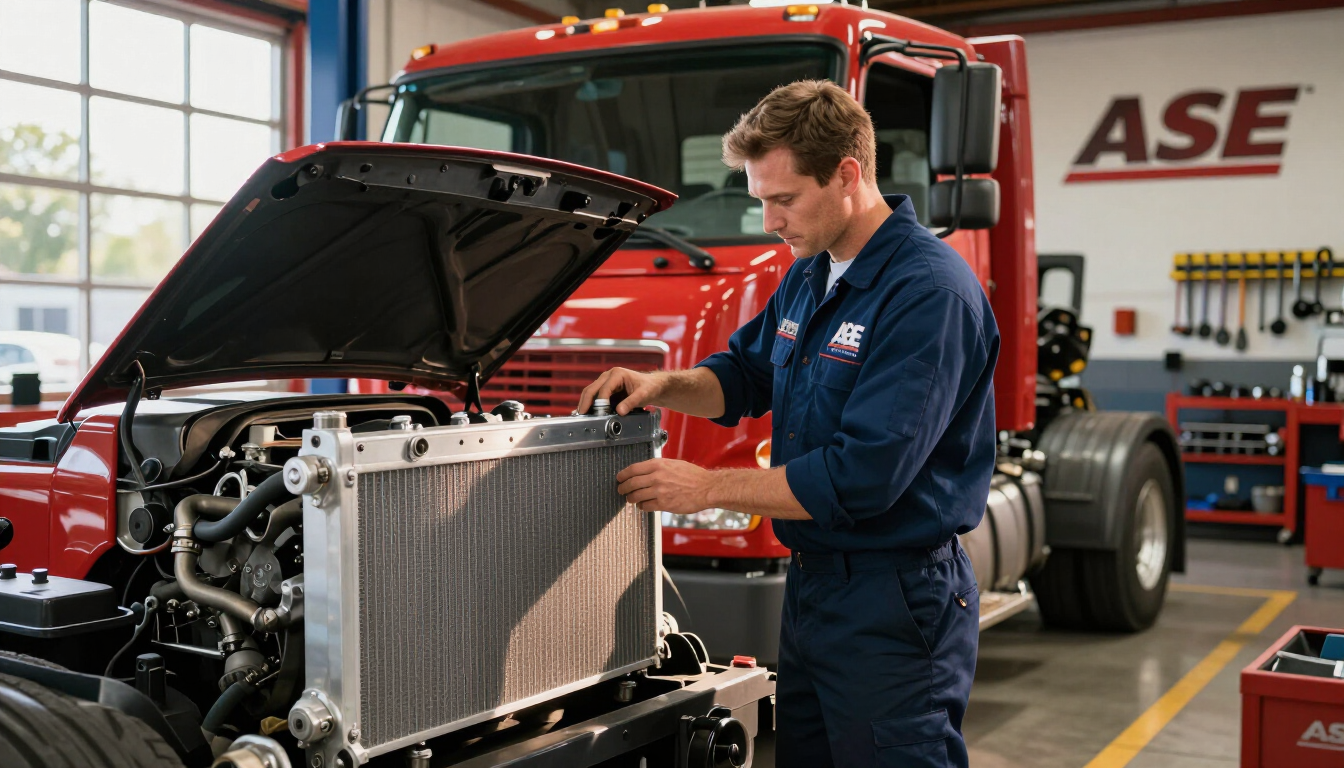
Keeping your cooling system in top shape is also critical. If the engine is running too cool due to a stuck thermostat, it will never be able to generate enough heat for the aftertreatment system to work. A comprehensive ENGINE SERVICE ensures all these interconnected systems are working in harmony to handle the heat and stress of Florida driving.
Final Takeaways for Tampa Fleet Managers
Managing a fleet in Tampa requires a proactive approach to diesel aftertreatment health. The combination of heat, humidity, and constant stop-and-go traffic creates a perfect storm for soot buildup and system failure. By understanding the importance of regeneration cycles and recognizing the early warning signs of a clogged system, you can significantly reduce your fleet's downtime.
- Avoid excessive idling : Encourage drivers to minimize idle time whenever possible.
- Monitor dash lights : Treat every regen light as a priority, not a suggestion.
- Use quality fluids : Low-ash oil and fresh DEF are non-negotiable for system health.
- Schedule professional scans : Regular diagnostic checks catch small issues before they become big ones.
- Prioritize training : Ensure your drivers understand how their actions impact the truck's health.
In summary, while Tampa traffic is undeniably hard on diesel engines, it doesn't have to be a death sentence for your fleet. With the right maintenance partner and a focus on the unique needs of diesel aftertreatment systems, you can keep your trucks on the road and your deliveries on schedule. If you're noticing frequent warning lights or a drop in performance, it's time to bring your vehicles to an ASE-Certified expert who understands the specific challenges of the Florida Gulf Coast.