Stop the Truck: A Guide to Critical Dash Warnings
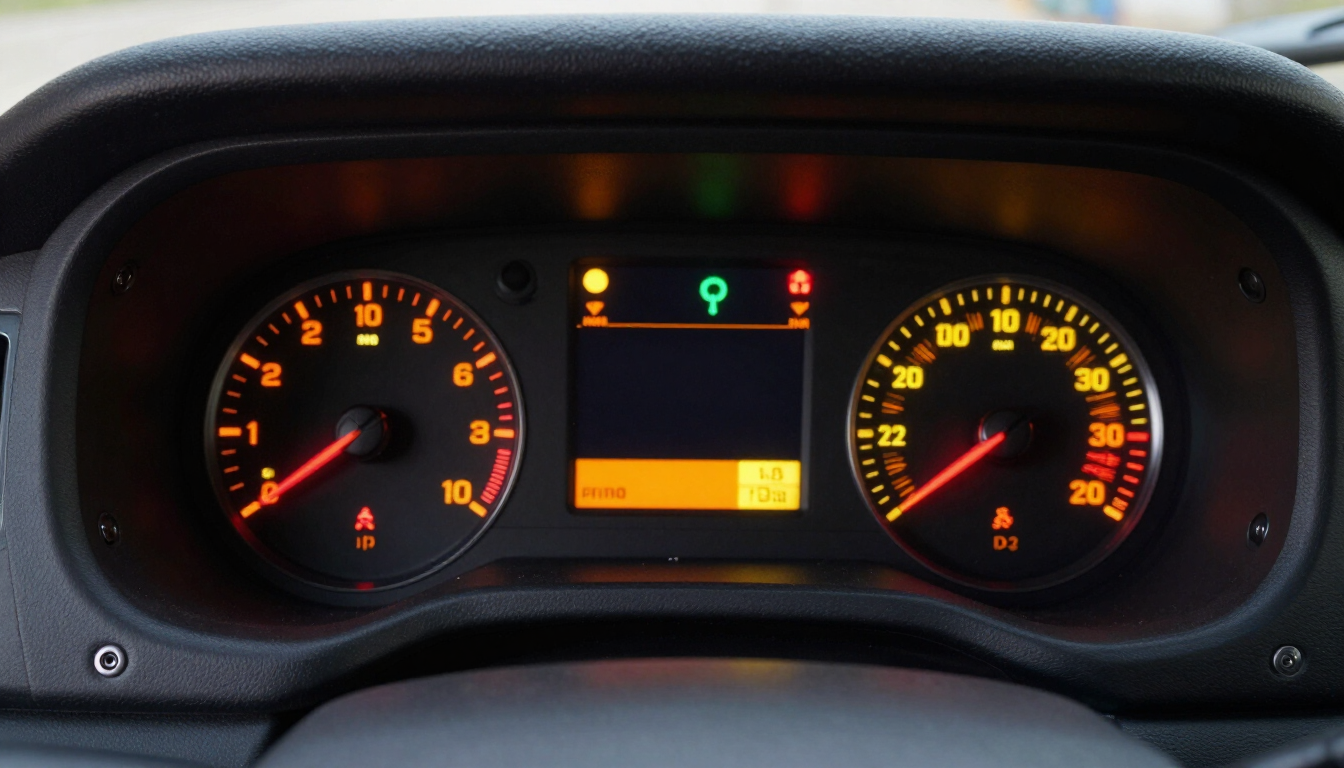
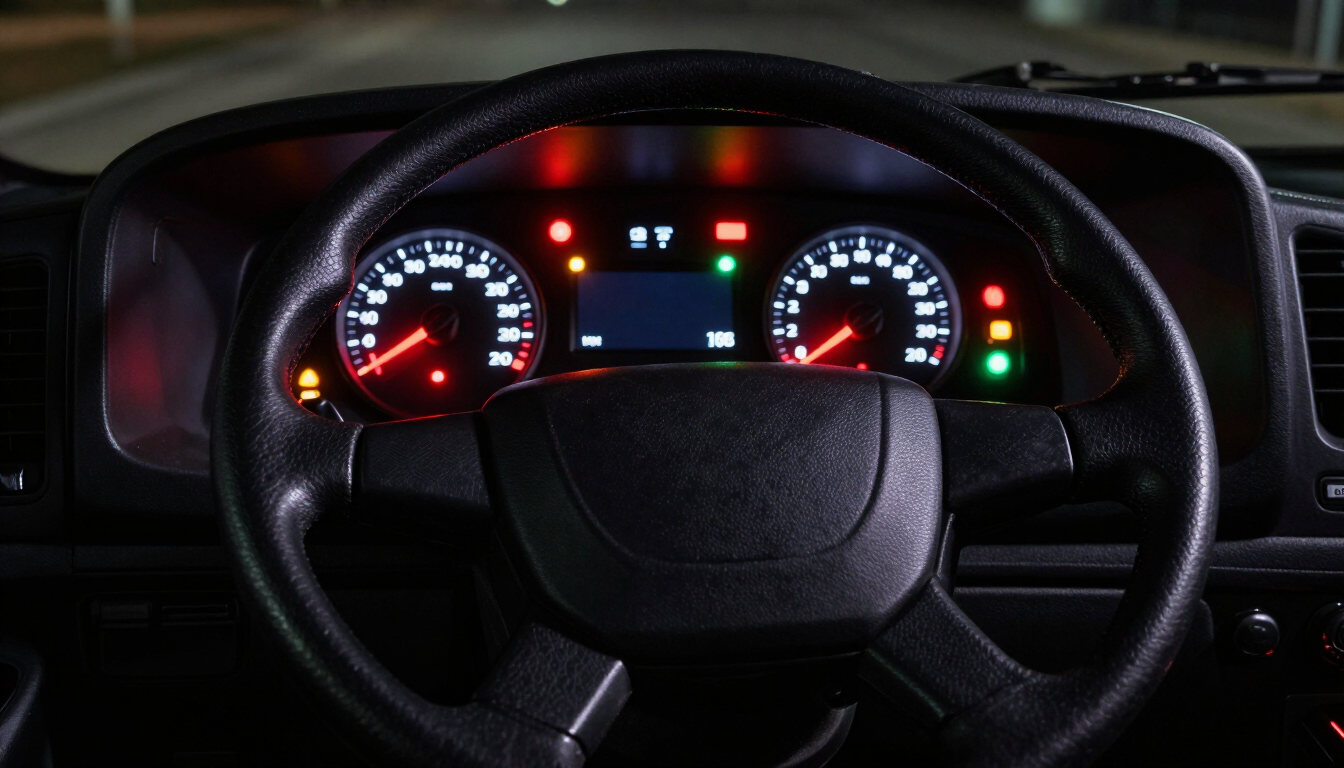
If your truck displays a red stop engine lamp , you must pull over immediately to prevent catastrophic failure. Unlike amber advisory lights, red warnings indicate critical issues like low oil pressure, overheating, or brake system failure that compromise safety and engine integrity, often leading to a protective engine derate.
What do red truck dash warnings mean?
In my 20-plus years as an ASE Certified diesel technician, I’ve seen plenty of drivers ignore a lamp because they were "only five miles from the yard." Unfortunately, those five miles often turn a simple sensor replacement into a $30,000 engine overhaul. When your dashboard glows red, the truck’s internal computer (the ECM) has detected a condition that is actively damaging the vehicle or making it unsafe to operate.
Red lights are not suggestions; they are commands. While amber or yellow lamps indicate that a system needs attention soon—think of these as "check soon" lights—the red lamp is a "stop now" order. The most common red indicators involve oil pressure, coolant temperature, and the braking system. If the oil pressure drops below a safe threshold, the metal components in your engine are no longer being lubricated, leading to metal-on-metal contact that generates intense heat and friction. Within minutes, or even seconds, the engine can seize.
Understanding the diesel engine derate process
A diesel engine derate is a software-induced limitation on engine power and speed. It is the truck's way of protecting itself when it senses something is wrong. Think of it as a "limp mode." When the ECM detects a critical fault—most commonly in the aftertreatment system or due to high engine temperatures—it will gradually reduce the available horsepower and torque.
You might notice that your truck won't go over 45 mph, or it might eventually be restricted to just 5 mph. This is designed to force you to seek fleet maintenance immediately. A derate isn't just an inconvenience; it’s a final warning before the computer shuts the engine down entirely to prevent a fire or total mechanical destruction. Driving through a derate is nearly impossible and extremely dangerous, especially on busy Florida highways like I-95 or I-75.
Why is my truck losing power suddenly?
If you feel a sudden drop in power, the first thing you should do is check the dash for a flashing or solid lamp. Sudden power loss is often the beginning of a derate cycle. This usually happens because the truck has detected a problem with the DPF (Diesel Particulate Filter) or the SCR (Selective Catalytic Reduction) system. If the truck cannot perform a regeneration or if the DEF (Diesel Exhaust Fluid) quality is poor, the system will pull back power to ensure emissions stay within legal limits and the engine stays safe.
However, power loss can also stem from mechanical issues like a clogged fuel filter or a failed turbocharger. In these cases, the truck might not officially be in "derate," but it is physically unable to produce the necessary power. Regardless of the cause, a truck that cannot maintain highway speeds is a hazard to you and every other driver on the road. You need professional diagnostics to determine if the issue is electronic or mechanical.
Fault codes identify conditions, not specific parts
One of the biggest misconceptions I hear from drivers is, "The code said it was the EGR valve, so I replaced it, but the light is still on." As a technician, I have to explain that a fault code names a condition , not necessarily a part . For example, a code for "low boost pressure" doesn't automatically mean the turbo is bad. It could be a cracked charge air cooler, a loose hose clamp, or even a faulty sensor misreporting the data.
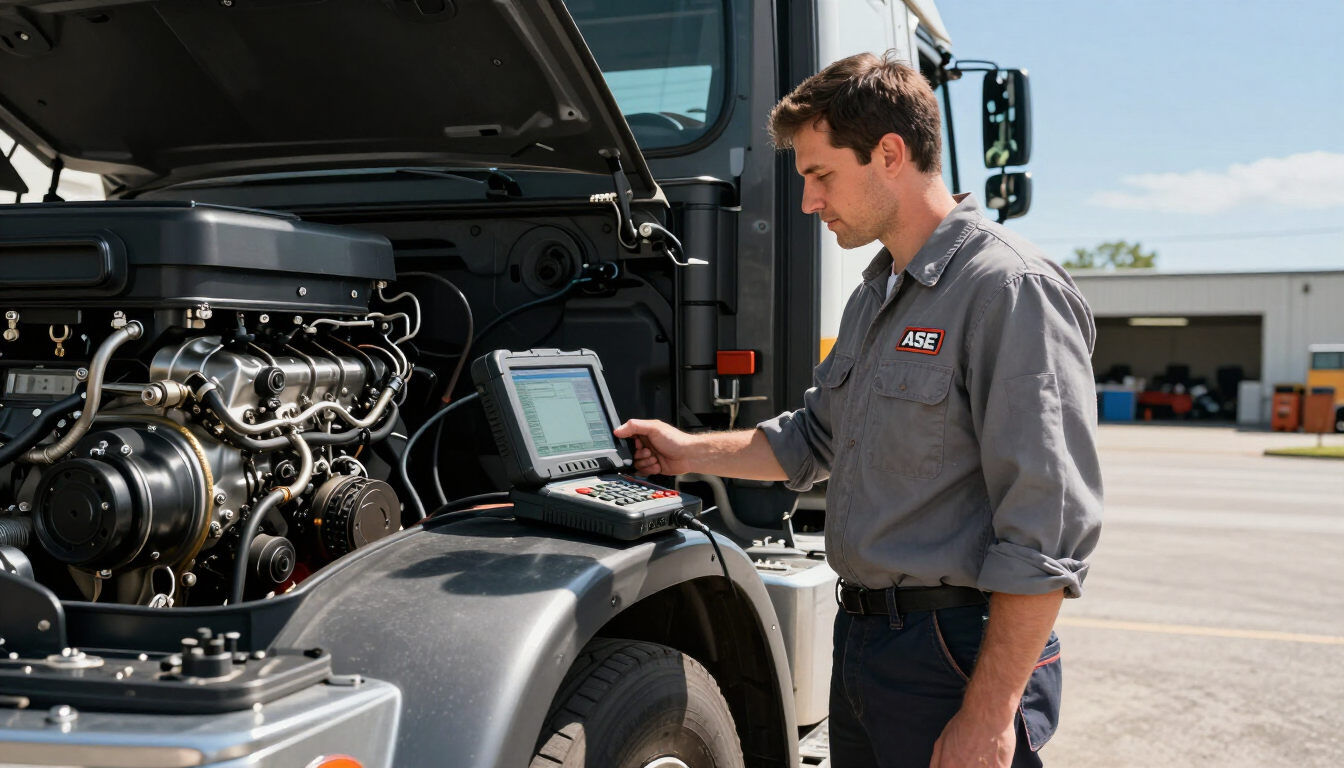
When we hook up a scan tool, we aren't just looking for a shopping list of parts. We are looking for a starting point for our investigation. A code tells us where the system is failing (e.g., "Exhaust gas temperature too high"), and then we use our experience to isolate the actual cause. This isolation process involves testing circuits, checking for leaks, and verifying sensor outputs. Replacing parts based solely on a code description is a fast way to waste money without solving the underlying problem.
When should I pull over immediately?
There are five specific scenarios where you should never, under any circumstances, keep driving. Your safety and the longevity of your equipment depend on your ability to recognize these "Stop Now" moments:
- Red Warning Lamps : As discussed, any solid or flashing red light on the cluster requires an immediate safe stop.
- Brake or Steering Trouble : If the pedal feels spongy, the air pressure is dropping rapidly, or the steering feels heavy or loose, stop. Get a professional brake service inspection immediately.
- Visible Smoke : White, black, or blue smoke coming from the exhaust or under the hood indicates serious internal issues or potential fire hazards.
- Fluid Leaks : A steady stream of coolant, oil, or fuel puddling under the truck is an emergency. A blown hose can drain an engine in seconds.
- Overheating : If the needle moves into the red zone, the head gasket and engine block are at risk. Overheating in the Florida heat is particularly dangerous.
The professional diagnostic isolation process
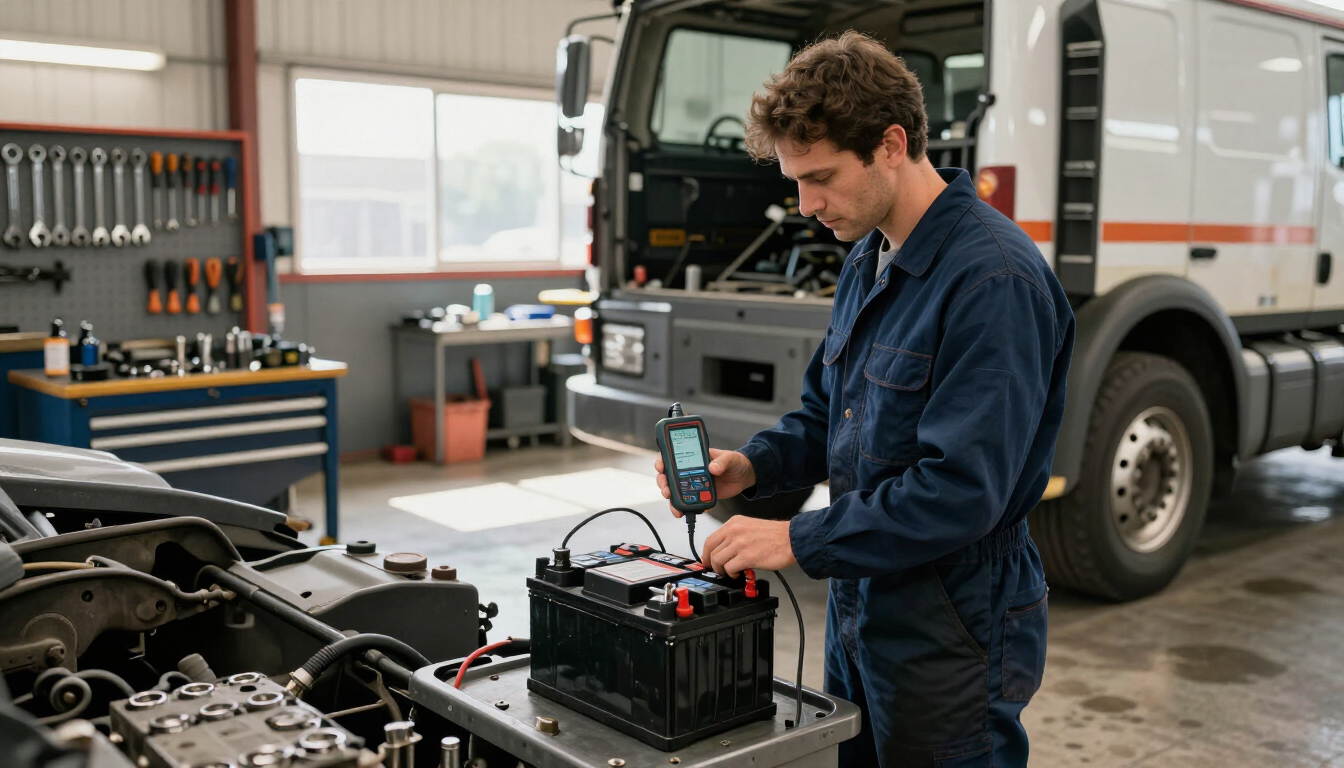
When you bring your truck to us after a dash warning, we follow a strict protocol to ensure we find the root cause. This isn't just about clearing codes; it's about restoring reliability. First, we perform a full system scan to see the history of the faults. Sometimes a code that popped up today was actually triggered by something that happened two weeks ago.
Next, we perform "live data" monitoring. This means we run the engine and watch how the sensors react in real-time. If the coolant temperature sensor says the engine is 300 degrees, but our infrared thermometer shows 190, we know the sensor or the wiring is the culprit, not the cooling system itself. This level of detail is what separates a professional repair from a "parts cannon" approach. Our goal is to get you back on the road with the confidence that the issue won't return 50 miles down the road.
Why Florida heat makes dash warnings more critical
Operating a heavy-duty truck in Florida presents unique challenges. The high ambient temperatures mean your cooling system is already working at near-maximum capacity. An amber warning for a minor coolant leak in a cooler climate might wait a day, but in the 95-degree humidity of Tampa or Fort Lauderdale, that minor leak can become an engine-killing overheat in minutes.
Furthermore, heat is the enemy of electronics. Wiring harnesses and sensors can become brittle and fail more frequently in tropical environments. Regular preventative maintenance is the only way to catch these issues before they turn into a red lamp on the dash. We check for rubbing wires, aging hoses, and debris-clogged radiators to ensure your truck can handle the Florida sun without triggering a derate.
How to handle a dash warning on the road
If a light comes on while you are driving, stay calm but act quickly. Look for the nearest safe place to pull off the shoulder. Once stopped, check your gauges. Is the oil pressure zero? Is the water temperature pegged? If you see smoke or smell something burning, exit the cab immediately.
Do not attempt to "clear the codes" by disconnecting the batteries. Modern ECMs have non-volatile memory, and clearing the code without fixing the problem often makes it harder for a technician to diagnose the original failure. Instead, take a photo of the dash and any messages on the digital display. This information is gold for your mechanic and can help us prepare the right tools and parts before you even arrive at the shop for an engine repair .
Summary of Truck Dash Warning Best Practices
Understanding your truck’s warning systems is the difference between a minor repair and a major catastrophe. Red lamps and derates are protective measures designed to save your engine and keep you safe. Remember that fault codes are clues, not conclusions, and professional diagnostics are essential for an accurate fix.
Key Takeaways for Florida Drivers:
- Red means stop : Never ignore a red lamp or a sudden change in steering/braking feel.
- Respect the derate : Your truck is trying to save itself; forcing it to drive will cause more damage.
- Codes are conditions : A code tells us what the truck is "feeling," not necessarily which part to buy.
- Florida heat accelerates failure : Be extra vigilant about cooling and electrical warnings during summer months.
- Seek ASE expertise : Use technicians who understand how to isolate causes rather than just swapping parts.
If you're seeing lights on your dash or feeling a loss of power, don't wait for the truck to shut down on the highway. Contact a professional shop to get an accurate diagnosis and get back to work safely.