
10 Truck Dashboard Symbols to Know (Stop Driving Now)
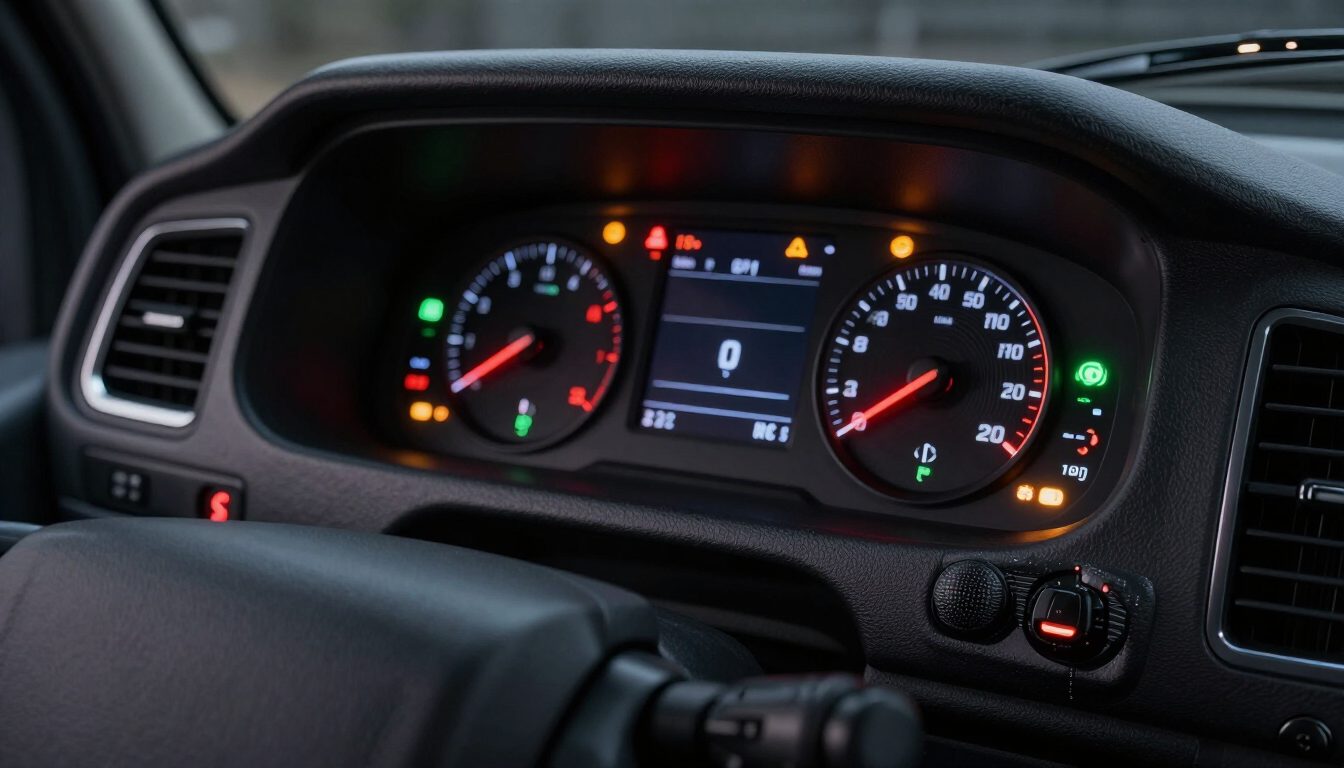
Commercial truck dashboard symbols use a color-coded system (Red, Amber, Green/Blue) to communicate vehicle health. Red lamps indicate critical failures requiring an immediate stop, while Amber lamps signal issues needing service soon. Understanding these icons prevents costly engine damage and ensures driver safety during daily fleet operations.
What do red dashboard lights mean on a commercial truck?
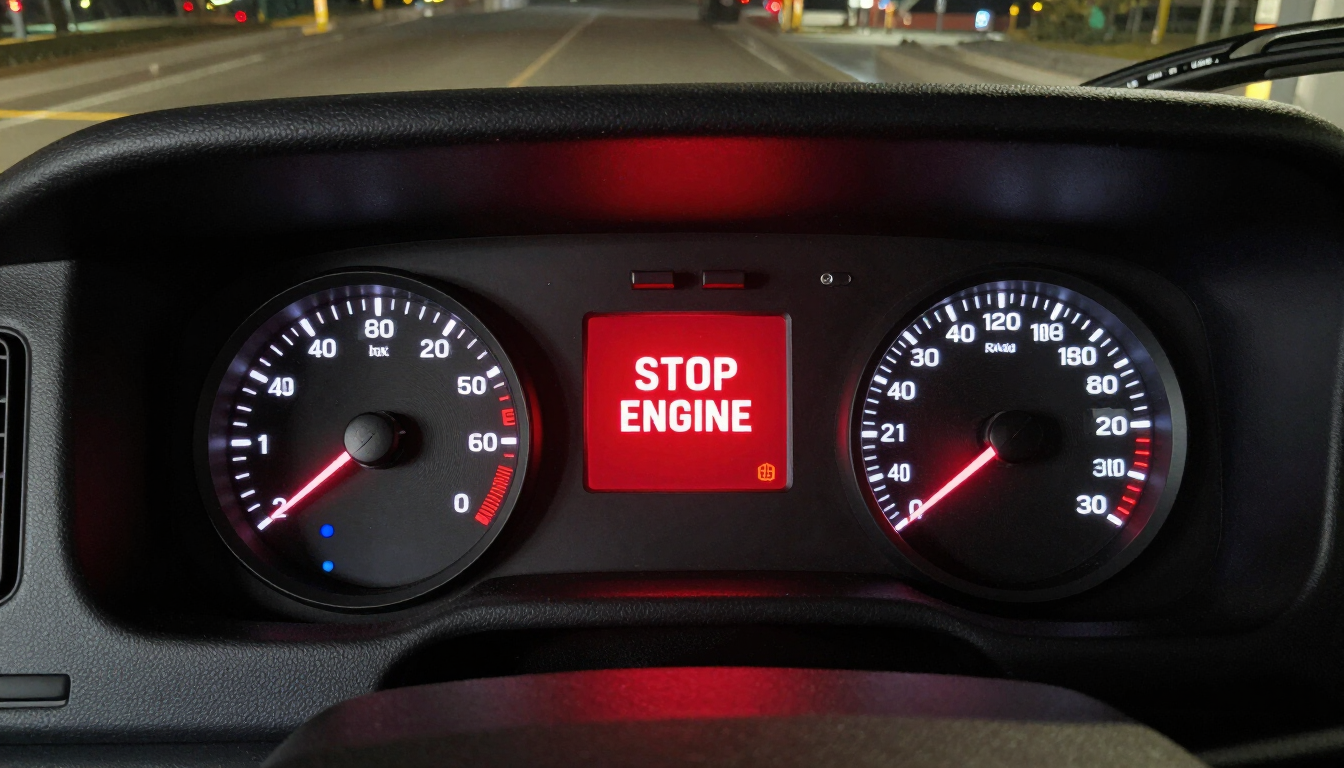
In the world of professional trucking, color coding is your first line of defense. When you see a red lamp illuminate on your dashboard, it isn't a suggestion; it is a critical alert. As a technician with over two decades of experience, I can tell you that ignoring a red light for even a few miles can be the difference between a simple sensor adjustment and a complete engine replacement. Red signifies that a system has reached a limit that is no longer safe for the vehicle's mechanical integrity or your safety.
When a red light pops up, the protocol is simple: find a safe place to pull over and shut down the engine immediately. These lights often monitor systems like oil pressure, coolant temperature, and air brake pressure. If these systems fail, the truck may enter a "derate" mode, where the computer limits engine power to protect itself, or it may shut down entirely without much warning.
When should I pull over immediately?
There are specific symbols that should stop you in your tracks. Here are the most common red warning lamps you will encounter in a heavy-duty truck:
- Stop Engine Lamp: Usually a red engine silhouette with the word "STOP." This indicates a major engine fault that could cause catastrophic damage.
- Low Oil Pressure: An oil can icon. This means the engine is not getting enough lubrication to move parts without friction.
- High Coolant Temperature: A thermometer sitting in liquid. This signals that the engine is overheating and head gaskets or the block itself could warp.
- Low Air Pressure: Usually a circle with parentheses around it or a "Low Air" text. Without air pressure, your brakes will eventually lock up or fail to engage correctly.
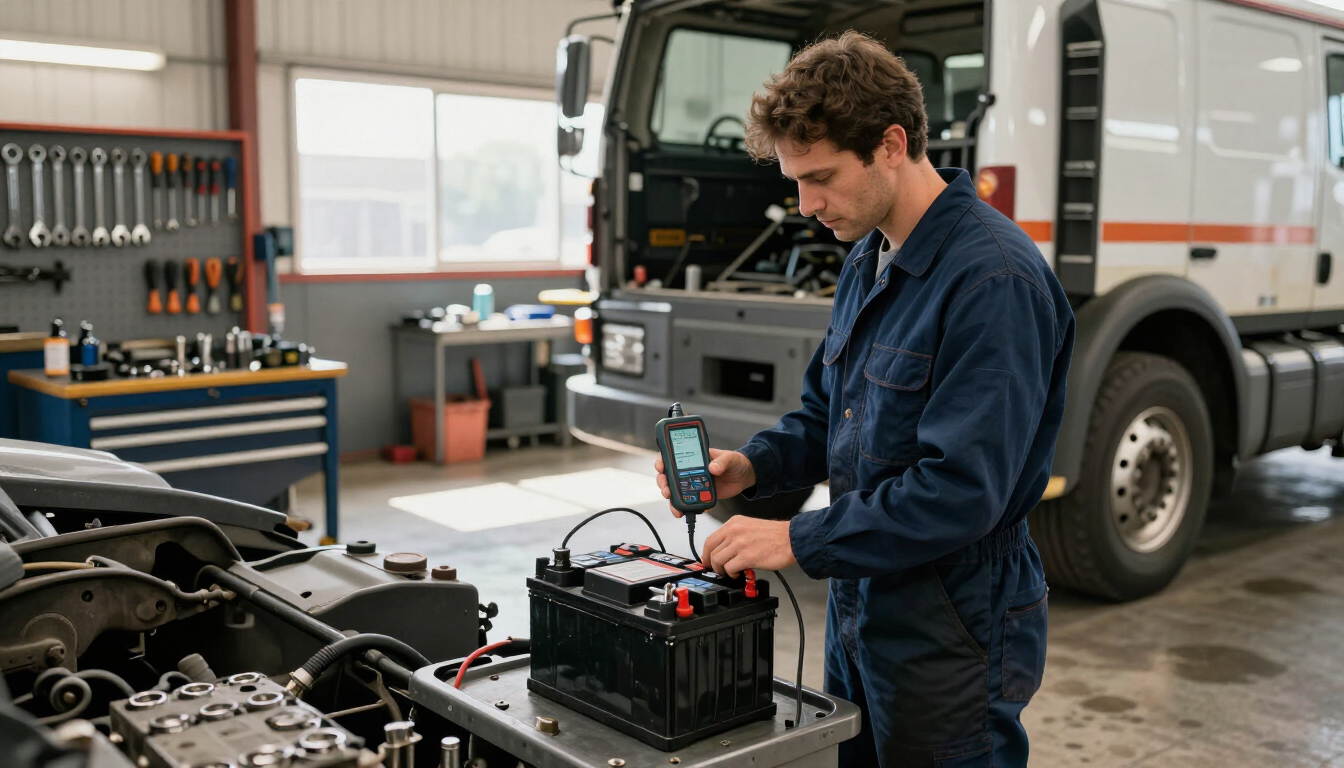
- Battery/Charging System: A battery icon. If this stays red, your alternator has likely failed, and the truck will eventually lose all electrical power.
Driving with any of these lights active is a gamble with your equipment. If you are in the South Florida area, our team in Fort Lauderdale can provide quick diagnostics to determine if the issue is a mechanical failure or a faulty sensor.
Understanding Amber and Yellow Warning Symbols
Amber or yellow lights are the most common indicators drivers see. They function as a "caution" signal. They tell you that a system is operating outside of its normal parameters, or that a scheduled maintenance event is required. While you usually don't need to pull over on the shoulder immediately, you should not finish your week without having the vehicle looked at by an ASE-certified technician.
One of the most misunderstood yellow lights is the Check Engine Light (CEL) . Because this light can represent hundreds of different codes, drivers often ignore it if the truck feels like it is running fine. However, a CEL could be related to the fuel service system or emissions, which, if left unchecked, will eventually lead to a more expensive red "Stop Engine" light.
Another critical amber light is the DPF (Diesel Particulate Filter) Lamp . In modern diesel trucks, this light indicates that the soot level in the exhaust filter is high. If you see this, the truck likely needs a parked regeneration. Ignoring the DPF light is one of the quickest ways to end up on the back of a tow truck, as the system will eventually force the engine into a deep derate to prevent exhaust backpressure damage.
How does a technician troubleshoot a warning lamp?
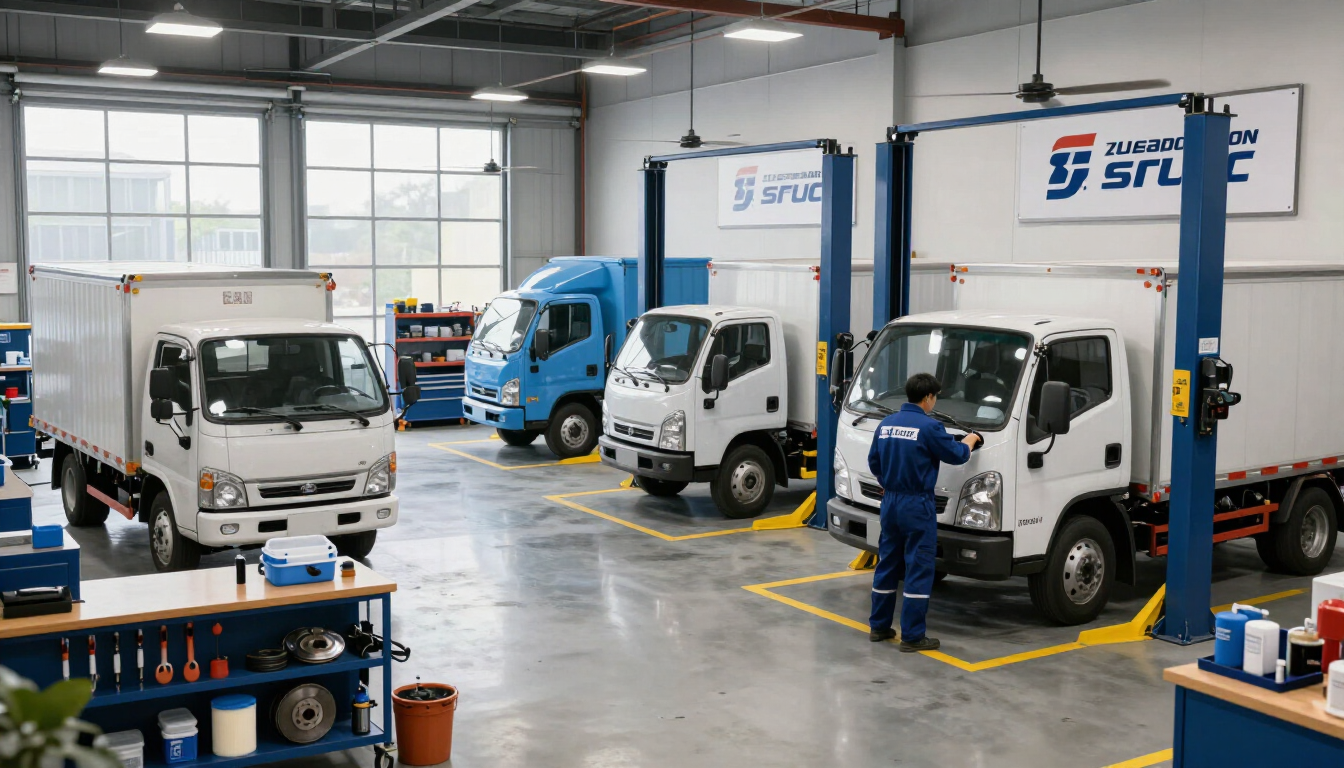
When you bring a truck into one of our shops, whether it’s our original location or our newer facility in Tampa , we don't just look at the light and start swapping parts. A professional diagnostic process is a logical progression designed to find the root cause, not just clear the code.
Here is how we approach a dashboard warning:
- Electronic Scan: We connect a high-level diagnostic tool to the truck’s ECM (Engine Control Module) to read the specific fault code.
- Data Stream Analysis: We look at live data. If a sensor says the oil pressure is zero, but the engine isn't making noise, we check the actual pressure with a manual gauge.
- Circuit Testing: We check the wiring and connectors. Many "failed parts" are actually just corroded wires or loose pins.
- Component Testing: Only after verifying the circuit and the data do we test the physical component itself.
- Verification: Once the repair is done, we clear the code and test-drive the vehicle to ensure the lamp does not return under load.
Why a diagnostic code isn't always a failed part
It is a common misconception that a "Check Engine" code tells the mechanic exactly which part to buy. In reality, a code only tells us that a specific circuit or value is out of range. For example, a code for a "Coolant Level Sensor" doesn't always mean the sensor is bad. It could mean the coolant is actually low, the wire is broken, or there is air trapped in the radiator .
This is why preventative maintenance is so vital. During a routine oil change or fleet service visit, we look for the small signs of wear—like a fraying wire or a leaking hose—that eventually cause these dashboard lights to turn on in the middle of a long haul. Being proactive saves the downtime that an unexpected warning light creates.
Maintaining Your Fleet for Longevity
At Professional Fleet Maintenance, we focus on keeping your vehicles on the road and out of the shop. We serve a massive area across South and Central Florida, from Key Largo up to Fort Pierce, and across to the Gulf Coast. Whether you are driving an International , Freightliner , or a medium-duty Isuzu , the dashboard symbols serve the same purpose: they are the truck's way of communicating with you.
Our ASE-certified technicians are trained to handle everything from brake service to complex transmission diagnostics. We understand that for fleet owners and drivers, time is literally money. That is why we emphasize a no-hype, practical approach to repairs. We use quality ACDelco parts and Motorcraft parts to ensure that once a light is fixed, it stays off.
If you are noticing intermittent lights or if your truck is due for DOT inspections , don't wait for the red lamp to appear. A quick check of your belts, hoses, and filters can prevent a major headache later. Our goal is to save you money by ensuring your vehicles are running efficiently and safely.
Takeaways for Commercial Fleet Drivers
Understanding your dashboard is about more than just knowing what the icons mean; it is about knowing how to respond to protect your equipment and your livelihood. After 20 years in the shop, my advice remains the same: treat your dashboard like a conversation with your truck.
- Red means STOP: Never ignore a red lamp; it indicates a critical failure that requires immediate engine shutdown.
- Amber means SERVICE: Get the truck scanned as soon as possible to avoid a future breakdown or derate.
- Don't Guess: A light doesn't always mean a failed part; professional diagnostics are required to find the root cause.
- Regen is Required: If the DPF light flashes, perform a parked regeneration immediately to avoid exhaust system damage.
- Trust the Pros: Use ASE-certified technicians who have the right tools to read and interpret complex engine data accurately.
Whether you are hauling through the Everglades or navigating the busy streets of Tampa Bay , keeping an eye on these indicators is the best way to ensure you make it to your destination safely. If a light does come on, Professional Fleet Maintenance is here to help at your place or ours. Feel free to reach out to us for your next appointment or to discuss your fleet services needs.