How to Check a Work Truck After Flooding

If a work truck has been exposed to storm flooding or high water, do not start or drive it until an ASE Certified technician inspects it. Water can contaminate fluids, damage electrical systems, reduce brake performance, and affect wheel bearings. Moving the truck may turn hidden water damage into a much larger repair.

Box truck on a wet road after storm flooding

Why shouldn’t you start a work truck after flooding?

A flooded truck may look normal from the outside while water remains inside critical components. Starting the engine can draw water into the intake or cylinders, where it may cause severe internal damage. Driving can also spread contaminated fluids and expose the driver to brake, steering, or electrical problems.

For a small fleet owner, the safest first decision is simple: keep the truck parked and arrange a professional inspection. Do not rely on a quick visual check, a jump-start, or a short test drive to determine whether the vehicle is safe.

What can storm water damage?

Floodwater can affect systems throughout a medium-duty truck, including:

  • Fluids: Engine oil, transmission fluid, differential lubricant, coolant, and fuel may become contaminated with water or debris.
  • Electrical components: Connectors, wiring, sensors, batteries, starter circuits, and control modules may corrode or short out.
  • Brakes: Water and sediment can affect brake hardware, air or hydraulic components, lines, and friction surfaces.
  • Bearings and hubs: Water can enter wheel ends and remove or contaminate lubricant, creating problems that may not appear immediately.
  • Engine and intake: Water in the air intake or cylinders can cause serious mechanical damage if the engine is cranked or started.

The severity depends on water depth, how long the truck was exposed, whether the water was fresh or contaminated, and which components were submerged.

What does a technician inspect on a flooded truck?

A professional inspection is more than looking for mud on the floor. An ASE Certified technician evaluates the truck systematically and documents evidence of water exposure before recommending service.

Engine, fluids, and fuel

The technician checks fluid condition and levels, signs of water contamination, air-intake components, filters, hoses, and accessible engine areas. The engine is not started simply to “see how it sounds.” Testing must be performed in a controlled way after the appropriate inspection.

Fuel-system concerns may include water or debris in the tank and related components. Depending on the truck and exposure, the technician may also evaluate the fuel service needs and recommend further diagnostic testing.

Electrical and battery systems

Floodwater can affect battery connections, grounds, harnesses, relays, sensors, lighting circuits, and electronic modules. Corrosion may continue after the truck dries, so a vehicle that powers on is not necessarily ready for operation.

Technicians inspect for moisture, contamination, damaged insulation, poor connections, and abnormal readings. Additional battery and electric service or diagnostics may be needed.

Brakes, steering, suspension, and wheel ends

The inspection includes brake assemblies, lines, chambers or hydraulic components, steering parts, suspension points, hubs, seals, and bearings. Mud and silt can remain in places that are difficult to see and may interfere with movement or lubrication.

Wheel-end inspection is especially important because bearing damage may develop after the truck has been driven. Related concerns may lead to brake service , suspension service , or additional mechanical evaluation.

Technician inspecting a medium-duty truck after water exposure

Signs that a truck needs immediate professional attention

Do not drive the truck if you notice visible water lines, mud or silt in the engine bay, wet filters, unusual fluid color, damaged wiring, warning lights, soft or abnormal brakes, or water inside the cab. Even without visible symptoms, a truck exposed to high water should be inspected before returning to work.

A flood-damaged truck can develop delayed problems. Electrical corrosion, contaminated lubricants, and bearing damage may not be obvious during the first few minutes of operation. That is why the inspection should happen before the vehicle is moved under its own power.

Mobile truck service in Miami-Dade and Broward

Professional Fleet Maintenance provides on-site support for commercial trucks and equipment in South Florida. Our ASE Certified technicians can inspect a vehicle where it is parked, helping fleet owners avoid an unnecessary start or drive after flooding.

We serve customers throughout Miami-Dade and Broward, including Miami, Hollywood, Fort Lauderdale, Davie, Dania Beach, Pembroke Pines, Plantation, and nearby communities. Depending on the situation, our team can help evaluate medium-duty truck service , electrical concerns, brakes, engine systems, and other flood-related issues.

A mobile inspection can help you make an informed decision about whether the truck should remain where it is, be transported for further work, or receive additional testing. Contact Professional Fleet Maintenance or request an appointment before attempting to operate the vehicle.

Mobile truck service van assisting a commercial fleet vehicle

What should a fleet owner do next?

Treat any work truck after storm flooding as unsafe to start or drive until it has been professionally inspected. Water can affect the engine, fluids, electrical system, brakes, bearings, and other components even when damage is not visible. Keep the truck parked, document the exposure, and arrange an on-site evaluation in Miami-Dade or Broward. A qualified technician can identify areas requiring testing and help you decide the appropriate next step without guessing or risking additional damage.

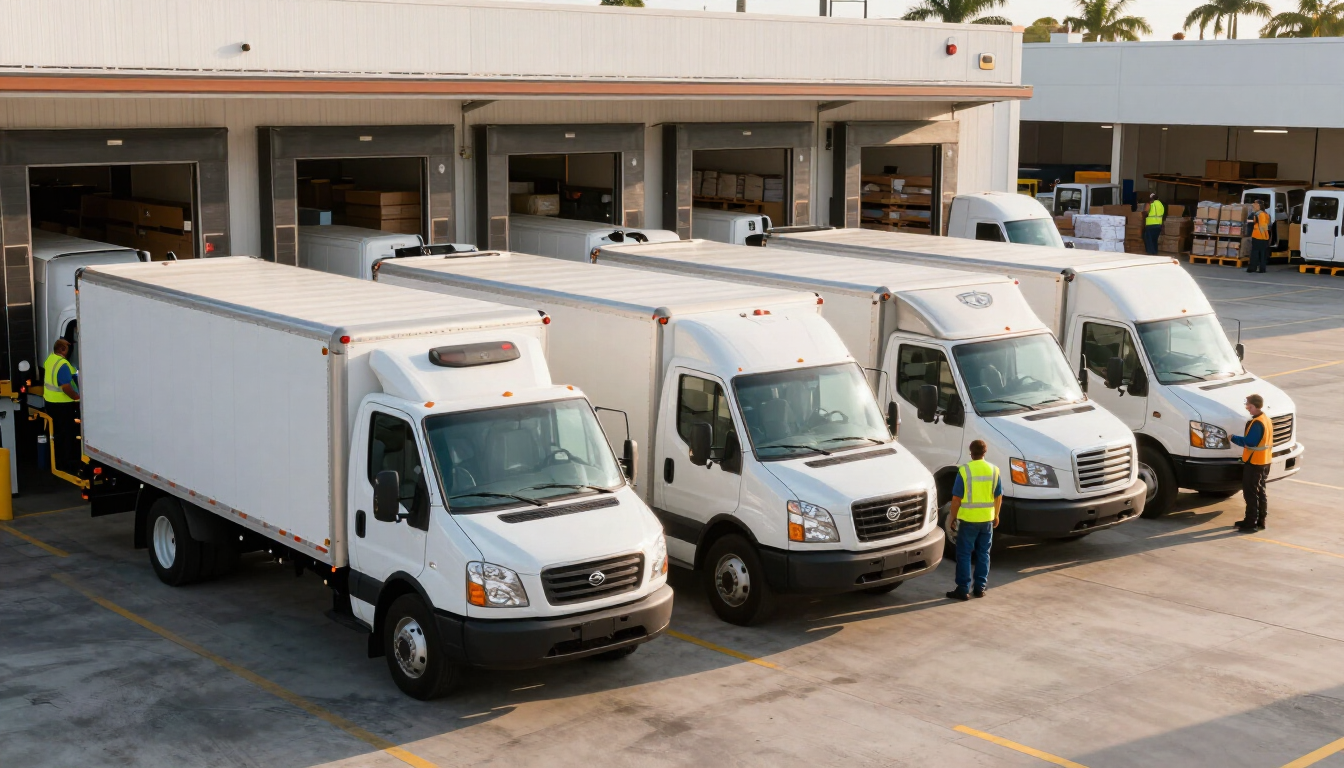
Fleet maintenance check for box trucks before holiday delivery peak
By Samantha Boylls • October 5, 2026
Prepare South Florida delivery trucks for holiday demand with five practical fleet maintenance checks.
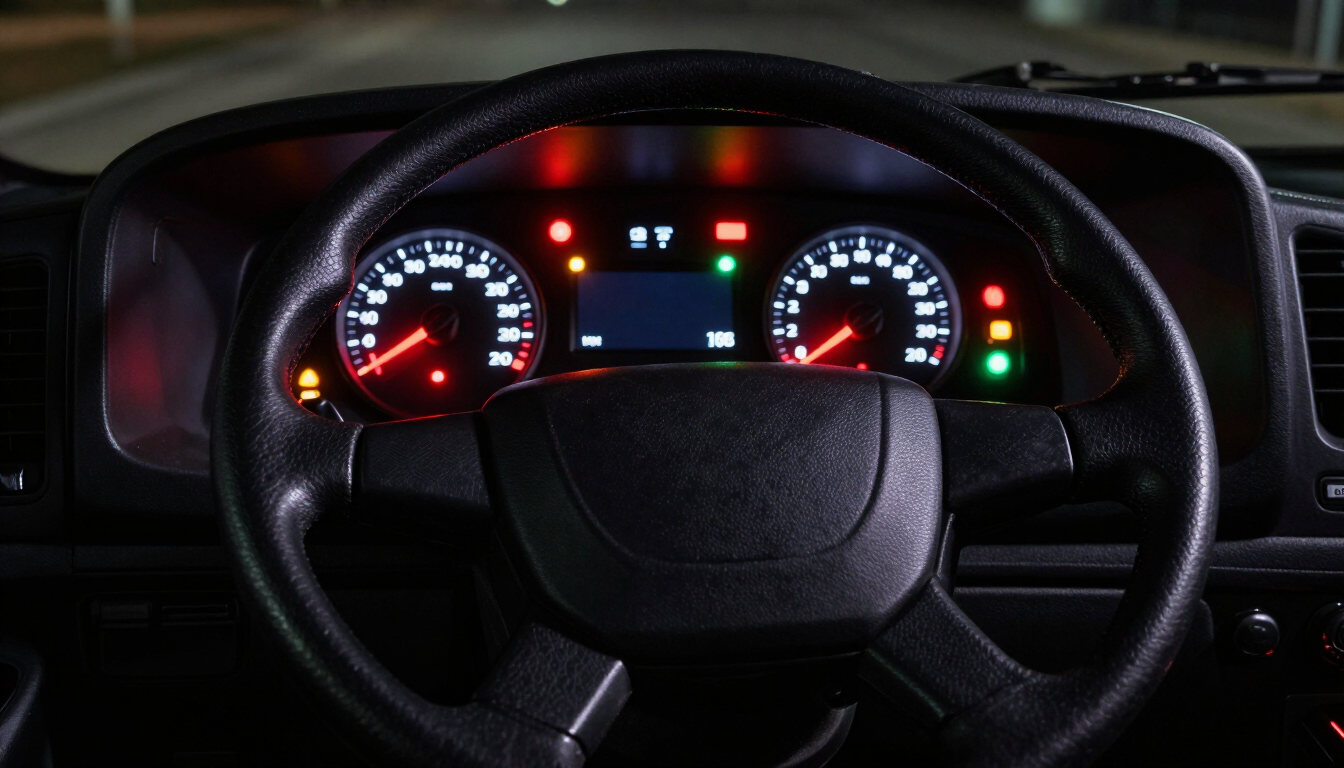
Close up of a commercial truck dashboard with illuminated warning lights.
September 28, 2026
Learn what common commercial truck dashboard warning lamps mean from an ASE-certified tech. Know which symbols require an immediate stop to prevent engine damage.

Professional fleet maintenance service counter and billing office
September 21, 2026
Learn how a CB Charge fleet account simplifies consolidated billing for truck repairs at Professional Fleet Maintenance locations across South and Central Florida.
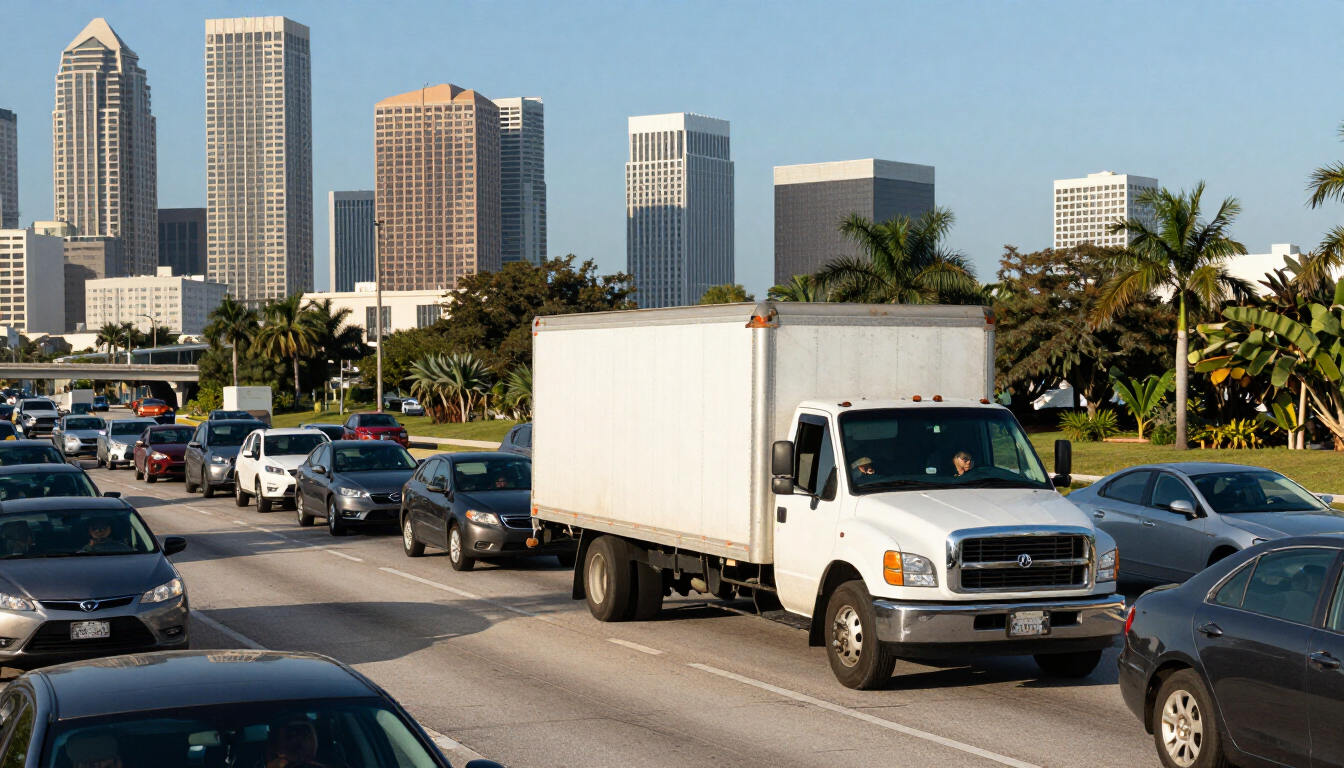
White delivery truck in Tampa traffic representing diesel aftertreatment challenges.
September 14, 2026
Discover why stop-and-go Tampa traffic is hard on diesel aftertreatment systems and how last-mile delivery fleets can prevent soot buildup and downtime.
Technician inspecting medium duty truck for storm readiness
September 7, 2026
An ASE-Certified guide to pre-storm fleet readiness in South Florida. Learn how to prep medium-duty trucks for Broward and Palm Beach storm seasons to ensure post-storm reliability.
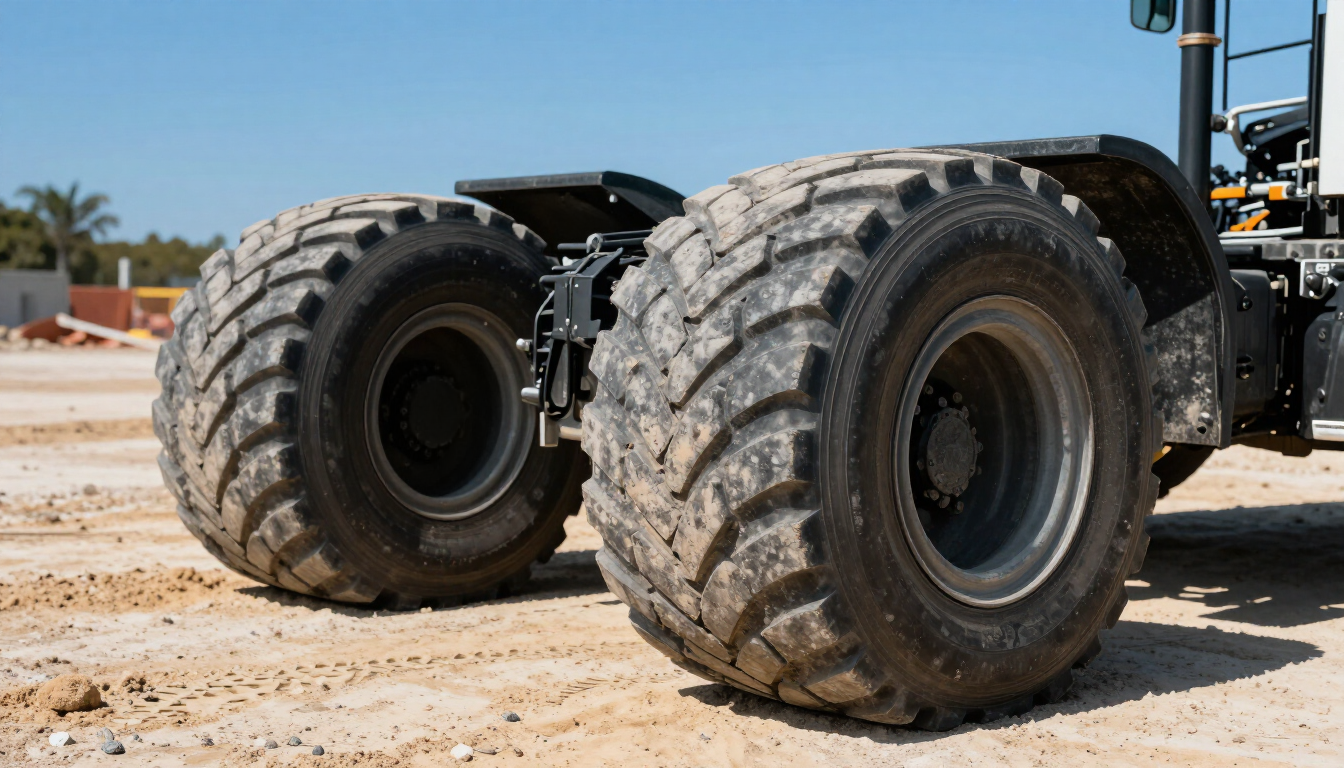
Medium duty truck tires on a Florida construction site
August 24, 2026
Expert advice on managing Florida work truck tires during summer. Avoid blowouts with pressure checks and professional maintenance in Central Florida.
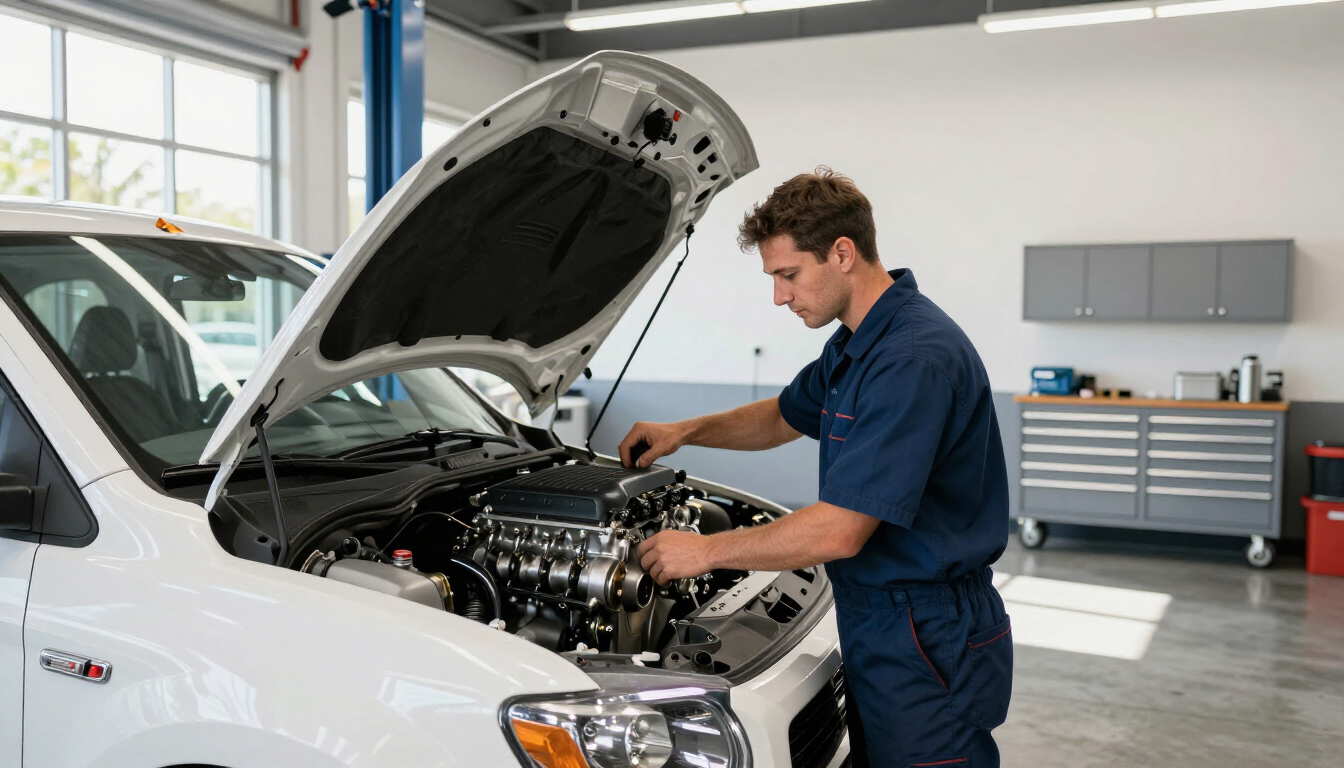
ASE Certified technician installing a JASPER remanufactured engine in a fleet truck.
August 17, 2026
Learn why Professional Fleet Maintenance chooses JASPER remanufactured engines and transmissions to minimize downtime for Fort Lauderdale and Tampa fleets.
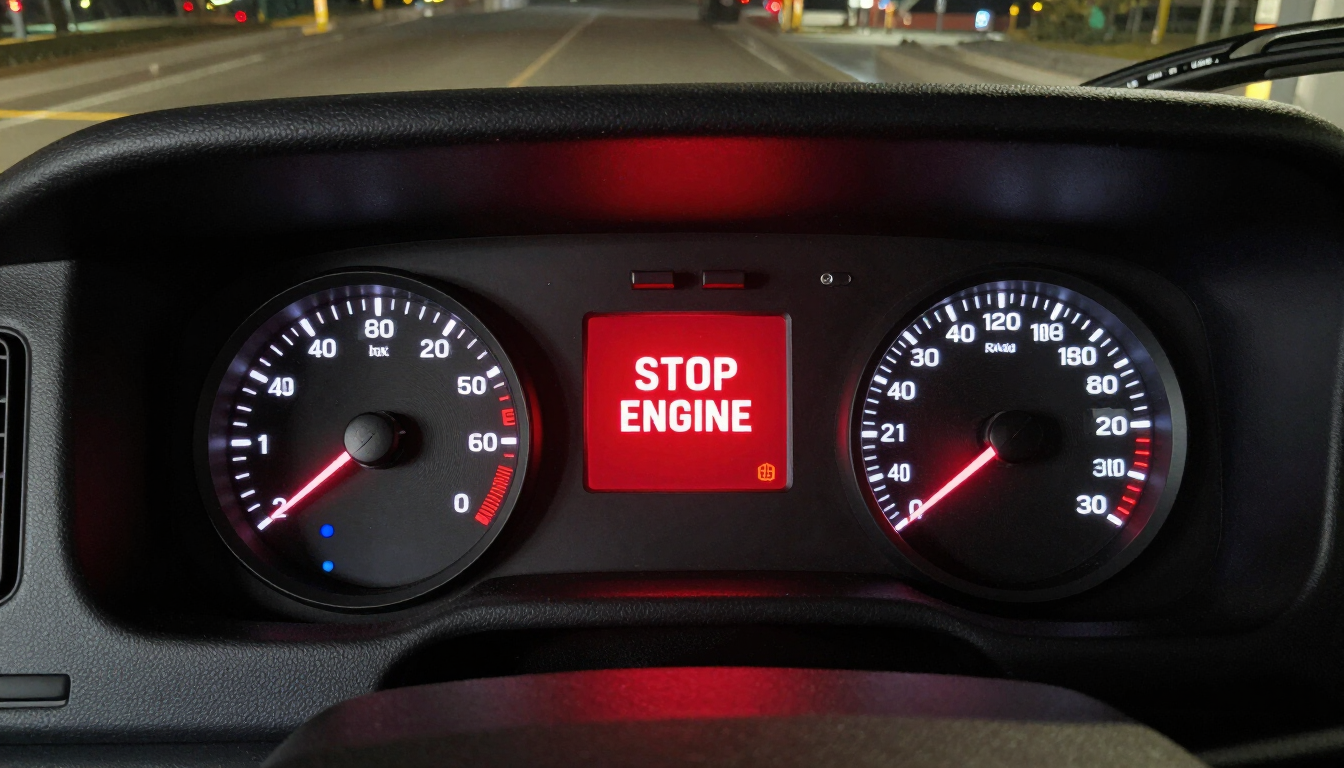
Commercial truck dashboard with glowing red warning lights illuminated.
August 7, 2026
Learn which truck dash warnings require an immediate stop. Our ASE Certified technician explains red lamps, derates, and fault codes to save your engine and ensure safety.
Mobile fleet service van parked next to a line of commercial trucks in Florida.
August 3, 2026
Learn how to safely get your commercial fleet back on the road after a hurricane with professional post-storm inspection tips from ASE Certified technicians.
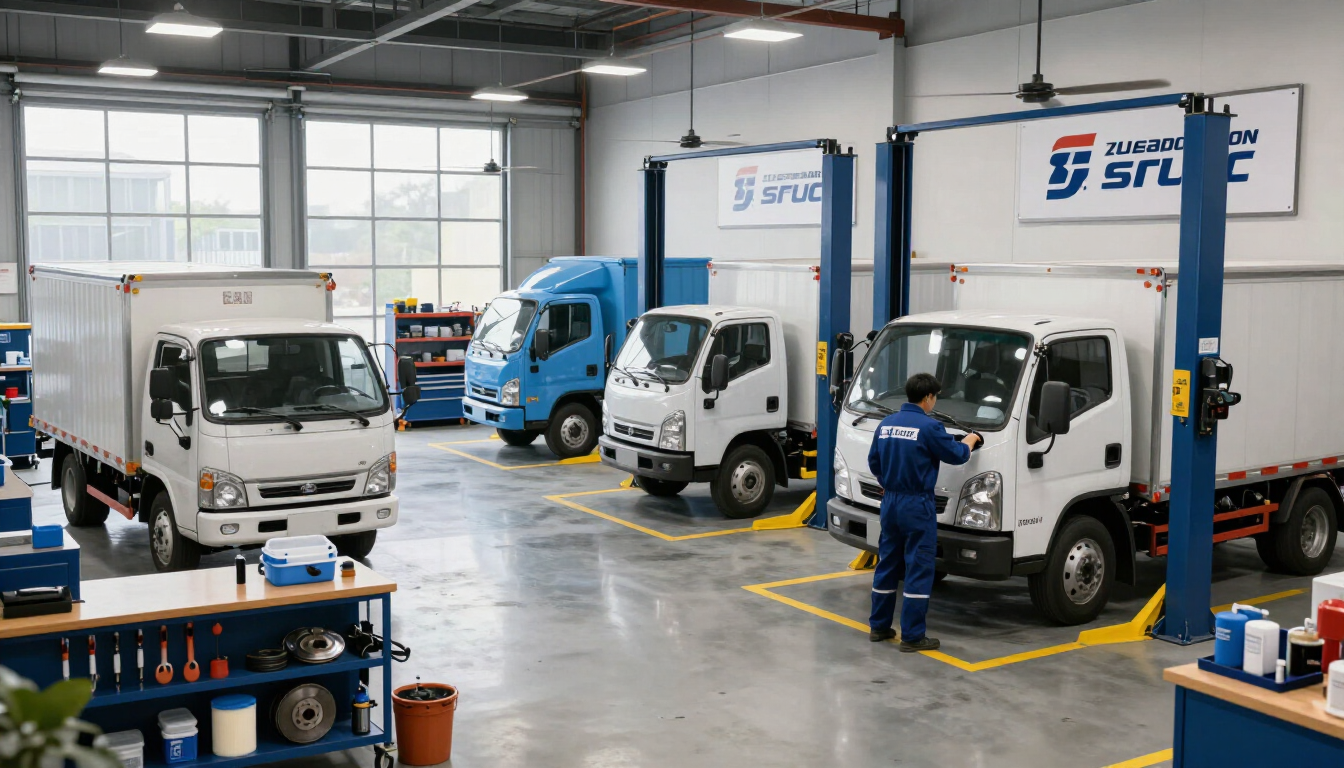
Medium duty trucks inside a professional fleet service shop bay.
July 27, 2026
Simplify your truck repair billing with a cbCharge fleet account. Get one monthly invoice, 30-day terms, and a secure online portal at our Florida shops.
Show More