
Recovering Your Commercial Fleet After a Hurricane
To get a commercial fleet safely back on the road after a hurricane, you must perform a comprehensive inspection of electrical systems, brake components, and fluid integrity before starting the engine. Professional technicians verify water intrusion levels to prevent catastrophic engine failure and ensure roadworthiness across the fleet.
Why should you avoid starting a flooded truck immediately?
One of the most critical mistakes an operations manager can make following a major Florida storm is instructing drivers to "crank it up" as soon as the water recedes. When a medium-duty truck has been exposed to standing water or heavy driving rain, the risk of hydrolocking the engine is significant. Hydrolock occurs when water enters the combustion chamber; since liquids don't compress like air, the internal components—pistons and rods—can shatter or bend the moment the key is turned.
Beyond the engine, water can contaminate the fuel system, transmission, and differentials. If a vehicle has been submerged up to the axles, the gear oil in the differentials is likely compromised. Starting and driving the vehicle without a professional MEDIUM DUTY TRUCK SERVICE check means you are circulating a water-and-oil slurry that will destroy expensive components within miles. Our team of ASE-CERTIFIED technicians has seen time and again how a few minutes of patience can save tens of thousands of dollars in avoidable engine and drivetrain replacements.
Instead of rushing to start the vehicles, the first step is to establish a "no-start" zone for any truck that was in a low-lying area. This isn't about fear; it’s about protecting your company's most valuable assets. A systematic approach ensures that once your fleet is back in motion, it stays in motion without breaking down on I-95 or the Palmetto Expressway an hour later.
Professional Post-Storm Inspection Priorities
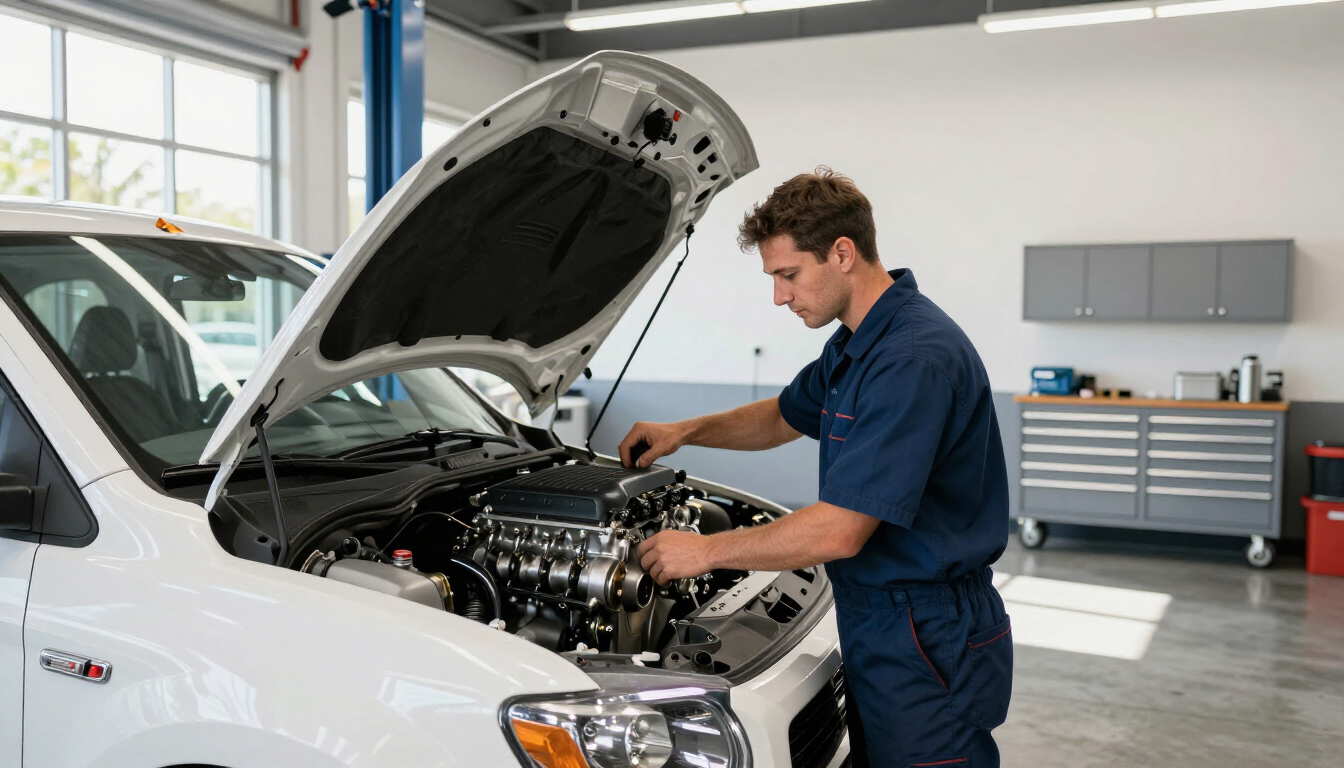
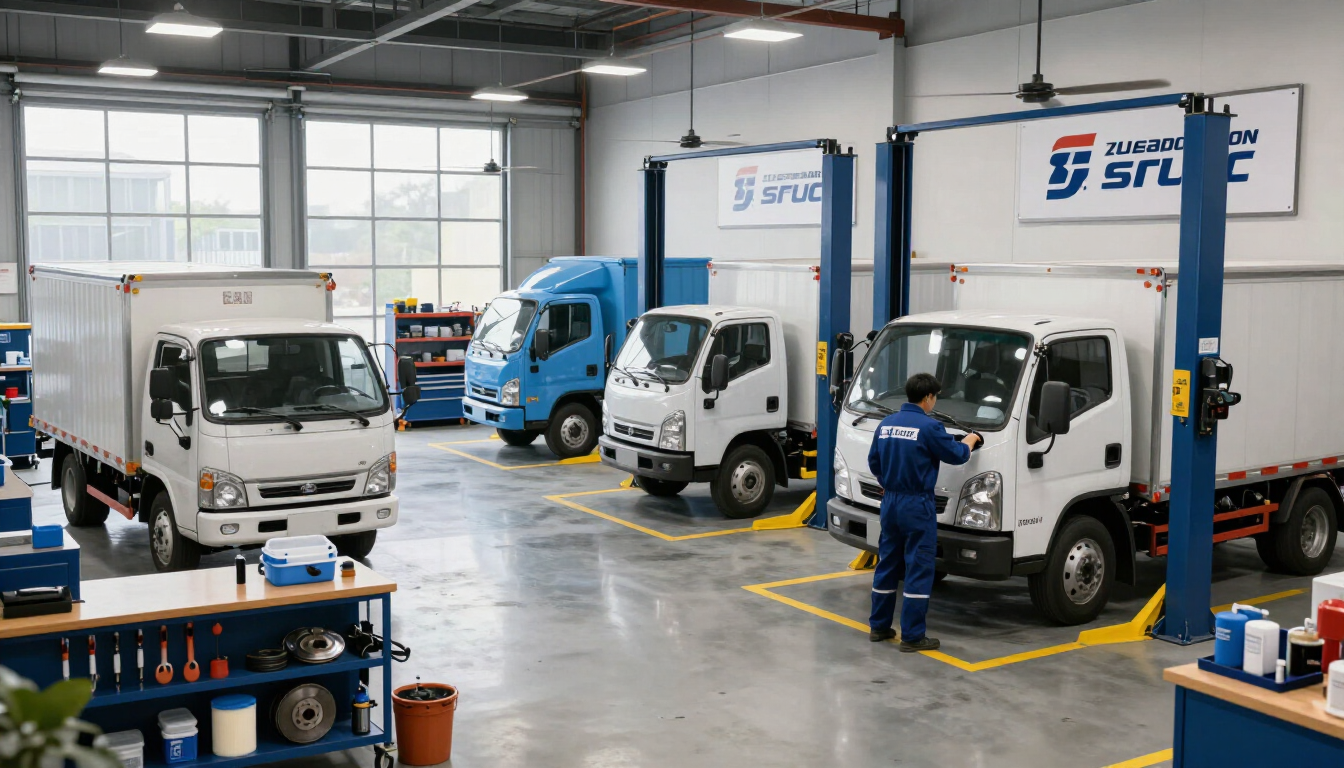
When we arrive on-site for FLEET SERVICES after a hurricane, we follow a strict protocol designed for medium-duty reliability. The priority is to identify where water went and what it touched. We look for the "water line" on the chassis and engine block, which tells us exactly which components were submerged.
- Fluid Contamination Checks: We pull dipsticks and drain plugs to look for "milky" oil, which indicates water presence.
- Air Intake Verification: Ensuring the air filter and intake housing are bone-dry before any attempt to start.
- Fuel System Integrity: Checking for water in the fuel separators and tank vents.
- Chassis Lubrication: High-pressure water from storms often washes away grease from critical joints.
- Filter Replacements: Swapping out air and fuel filters that may have absorbed moisture or debris.
How does water exposure affect commercial brake systems?
Brakes are often the most overlooked component in post-hurricane recovery, yet they are the most vital for safety. For trucks with air brakes, moisture is a constant enemy. During a hurricane, excessive water can enter the brake drums, saturate the linings, and even infiltrate the air lines if the system has any existing leaks.
Our BRAKE SERVICE after a storm involves more than just a visual check. We need to ensure that the friction material hasn't become "glazed" or damaged by silt and salt that often comes with storm surges in South Florida. If the truck was sitting in salt water, the corrosion process starts almost instantly. This can lead to frozen calipers or seized S-cams, preventing the brakes from releasing or, worse, preventing them from engaging when your driver needs them most.
Furthermore, the ABS sensors and wiring harnesses are extremely sensitive. Even if the mechanical parts of the brakes are fine, water in the electrical connectors can trigger fault codes that put your trucks into a restricted performance mode. Getting a professional diagnostic check ensures that your safety systems are fully operational before your drivers head out into post-storm traffic.
The Critical Role of Mobile Fleet Maintenance
In the aftermath of a hurricane, logistics are often a nightmare. Roads may be partially blocked, and fuel stations might be without power. Moving a non-running fleet to a repair shop is often impossible or prohibitively expensive due to towing costs. This is where mobile FLEET SERVICES provide an invaluable advantage for operations directors in the Tri-County area.
Having an ASE-Certified technician come to your yard in Fort Lauderdale, Tampa, or Miami allows for a rapid triage of your entire inventory. We can perform DIAGNOSTICS on-site, identifying which trucks are ready to roll and which ones require deeper shop-based repairs. This on-site capability minimizes downtime and keeps your drivers focused on their routes rather than waiting for tow trucks.
What are the risks of hidden electrical corrosion?
Modern medium-duty trucks are rolling computers. Between the Engine Control Module (ECM), Transmission Control Module (TCM), and the various sensors throughout the exhaust and chassis, there are hundreds of electrical connections vulnerable to moisture. BATTERY & ELECTRIC issues are the leading cause of "ghost" problems—issues that don't appear immediately but cause the truck to fail weeks after the storm.
When water, especially brackish or salt water, enters a connector, it begins a process of electrolysis and corrosion. This can lead to:
- Short circuits that blow fuses or fry control modules.
- High resistance in wires, leading to erratic sensor readings.
- Battery drain caused by current leaking across damp terminals.
- Intermittent starting issues that leave drivers stranded.
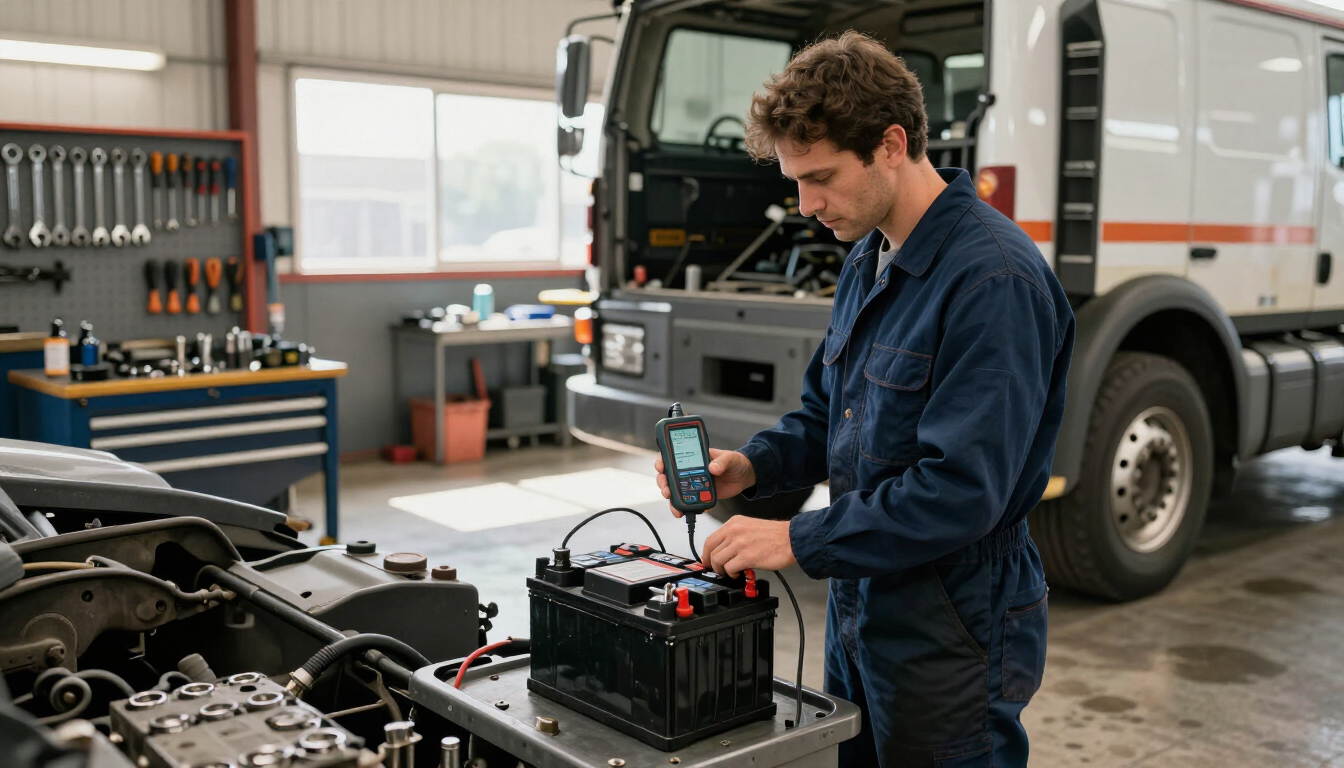
Our technicians use specialized contact cleaners and dielectric greases to displace moisture and protect connections. We also test the batteries and charging systems to ensure the alternator didn't take a hit during the heavy rains. Taking these steps during the initial PREVENTATIVE MAINTENANCE check prevents your fleet from being plagued by electrical gremlins for the rest of the season.
Restoring Fleet Reliability in the Tri-County Area
Operating in South and Central Florida means we understand the specific challenges of the local climate. Whether you are managing a delivery fleet in Miami or a construction fleet in Tampa, the humidity and salt air accelerate the damage caused by a hurricane. Our goal is to save you time and money by ensuring your vehicles are running efficiently and safely.
Recovery isn't just about the first 24 hours; it's about the first 30 days. After the initial inspection and restart, we often recommend an early OIL CHANGES and filter service to catch any microscopic contaminants that might have settled in the systems. This proactive approach is what keeps the largest fleets in the Tri-County area operational year-round, regardless of what the weather throws at us.
By partnering with a team that has 20+ years of experience in medium-duty trucks, you are gaining more than just a mechanic; you are gaining a strategy for resilience. We serve as far south as Key Largo and as far north as Fort Pierce, providing the local expertise needed to navigate the unique recovery needs of Florida businesses.
Summary of Fleet Recovery Steps
Getting your commercial fleet back on the road safely requires a disciplined approach to prevent long-term damage and ensure driver safety. By focusing on professional inspections over quick restarts, you protect your bottom line and your reputation.
- Never attempt to start a submerged truck until the intake and fluids have been verified clear of water.
- Prioritize brake and electrical inspections to ensure safety systems and computer modules haven't been compromised by moisture or salt.
- Utilize mobile fleet services to perform on-site triage, saving you the cost and logistical headache of towing multiple vehicles.
- Schedule a follow-up preventative maintenance check 30 days post-storm to address any delayed-onset corrosion or fluid contamination.
- Trust ASE-Certified technicians who understand the complexities of medium-duty truck systems in Florida’s harsh environments.