5 Tips to Manage Florida Work Truck Tires in Summer

Florida work truck tires face extreme stress during summer due to the combination of high road temperatures, heavy loads, and underinflation. To prevent blowouts, drivers should perform daily pressure checks and tread inspections. Professional maintenance ensures tires are properly balanced and mounted for safe operation in demanding Florida environments.

Why do Florida work truck tires blowout in the summer?

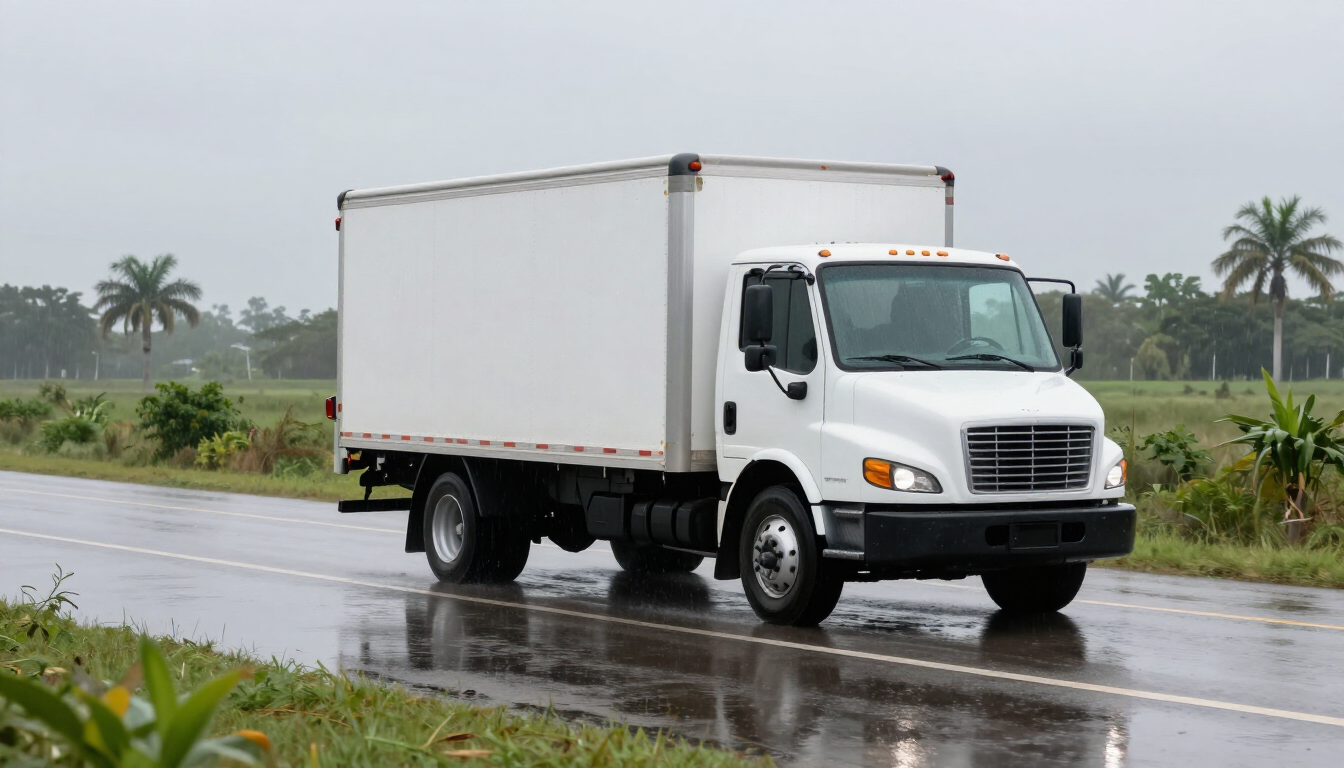
If you have spent any time driving a medium-duty truck between Lakeland and Plant City in July, you know that the heat isn't just a suggestion; it is a physical force. For Florida work truck tires, the summer months represent the most dangerous time of the year. The primary reason blowouts occur is heat buildup within the tire structure itself. When the ambient temperature hits 95 degrees, the asphalt temperature can easily exceed 140 degrees. This heat transfers directly into the rubber, weakening the chemical bonds that hold the tire together.

However, heat alone isn't the only culprit. Friction is the silent killer. As a tire rolls, the sidewalls flex. This flexing generates internal heat. If a tire is underinflated, it flexes significantly more, creating a massive amount of internal thermal energy. When you combine high ambient temperatures, scorching pavement, and the friction of an underinflated tire, the internal temperature can reach a breaking point. The rubber begins to delaminate from the internal steel belts, leading to a sudden and catastrophic blowout. This is why fleet services prioritize tire health during the Florida summer.

Managing heat and load for construction fleets

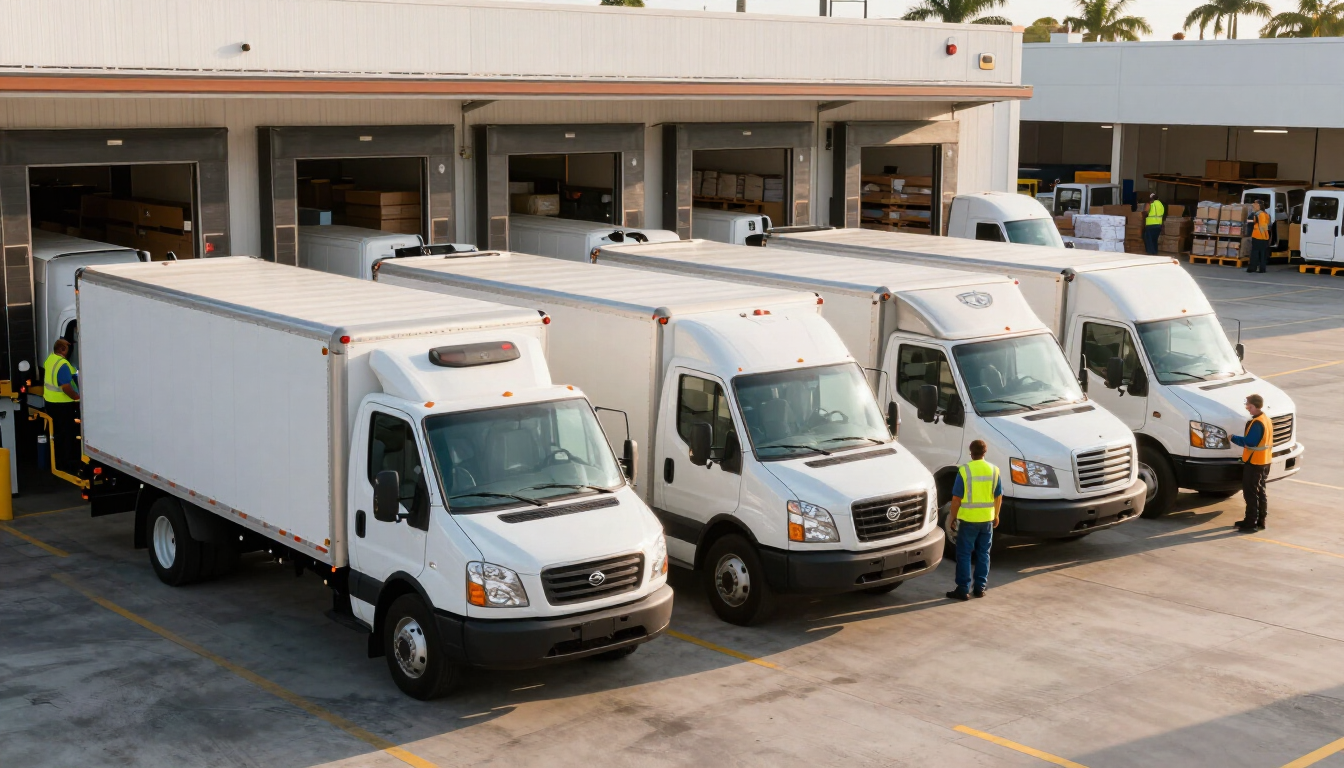
Construction and agricultural fleets in Central Florida are unique because they rarely travel light. Whether you are hauling a load of citrus from a grove near Bartow or transporting heavy equipment to a job site in Tampa, your tires are under constant pressure. Load management is a critical factor in tire longevity. Every tire has a specific load rating, but that rating assumes the tire is properly inflated and the ambient conditions are within a normal range.

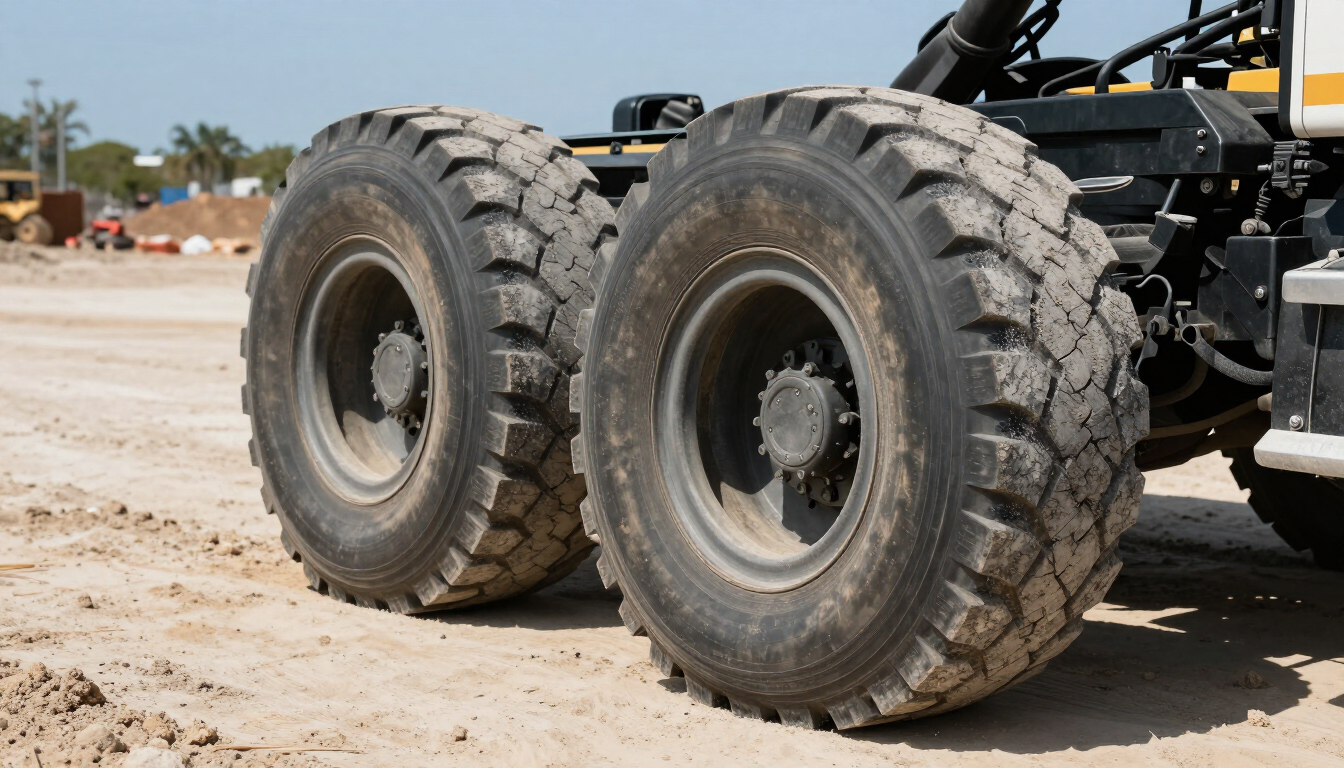
When a truck is overloaded, the tire footprint increases, which in turn increases the amount of heat generated through friction. For those operating in the dirt and sand of Florida construction sites, the tires also have to deal with uneven terrain that puts lateral stress on the sidewalls. This combination of heavy weight and high heat makes the tire's structural integrity more fragile. It is essential to ensure that your medium duty truck service includes a thorough check of how your specific loads are affecting your tire wear patterns.

Medium duty truck tires

How should drivers check tire pressure and tread?

Consistency is the hallmark of a professional driver. For those of us who have spent over 20 years as an ASE certified technician, we can tell you that a five-minute walkaround can save you five hours on the side of I-95. A driver’s routine should always start with a "cold" tire pressure check. Checking pressure after a truck has been sitting for several hours provides the most accurate baseline. As you drive, the air inside the tire expands due to heat, which can give a false high reading.

Drivers should look for the following during their daily routine:

  • Proper PSI levels: Always use a calibrated gauge rather than relying on a visual "thump" test.
  • Tread depth: Ensure there is enough rubber to dissipate heat and provide traction in Florida’s sudden summer downpours.
  • Uneven wear: Scalloping or cupping can indicate issues with suspensions or alignment.
  • Debris removal: Remove stones or metal shards trapped in the tread before they work their way into the casing.
  • Valve stem condition: Ensure caps are present to keep dirt and moisture out of the valve core.

The dangers of driving on visible tire damage

It can be tempting to try and get "one more day" out of a tire that looks slightly worn, especially when you have a deadline on a project in Plant City. However, visible damage is a non-negotiable warning sign. If you see a bulge in the sidewall, often called an "egg," that tire is ready to fail. That bulge indicates that the internal structural cords have snapped, and the only thing holding the air in is a thin layer of rubber.

Similarly, if you see any exposed wire or cords, the tire is legally and physically compromised. Driving on a tire with visible damage is an invitation for a disaster that could damage the vehicle's bodywork, air lines, or even cause a loss of control. If you spot cracks that are deep enough to see the inner casing, or if the tire has "chunked" out large pieces of rubber from the tread, do not drive the vehicle. It is far cheaper to call for auto repairs or a tow than it is to deal with the aftermath of a high-speed blowout.

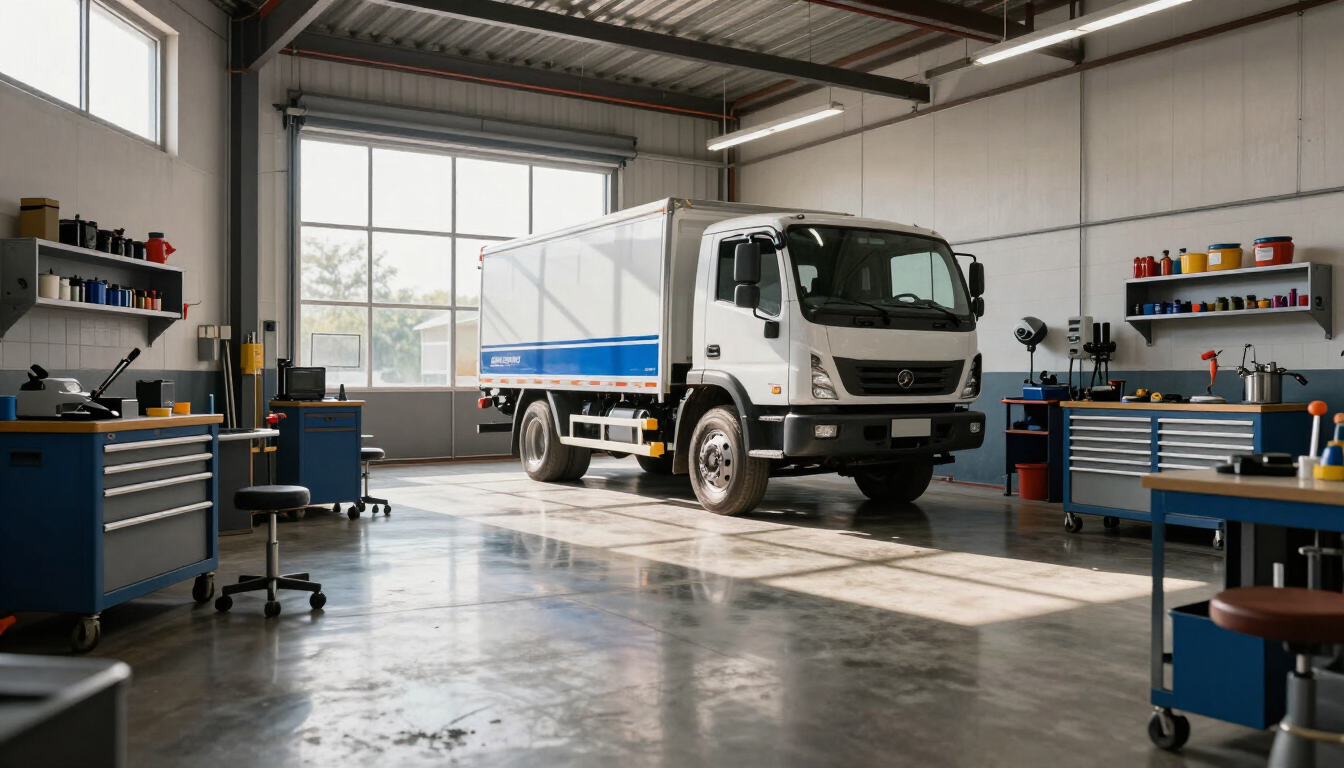
Shop bay with truck

Why professional tire service matters for ag fleets

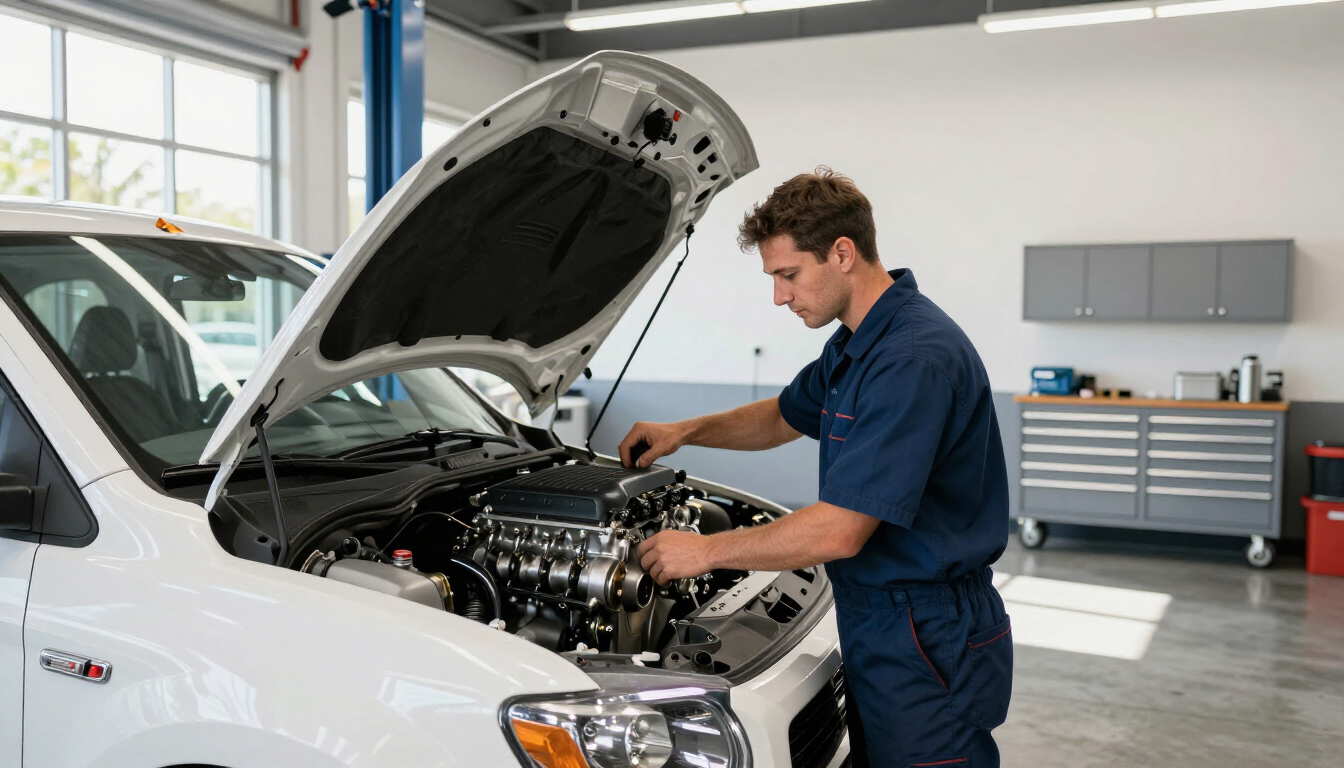
While checking pressure is a driver's job, the actual mounting, balancing, and repair of commercial tires belong in a professional shop. Commercial wheels and tires operate under much higher pressures than passenger cars. Handling them without the proper cages and pneumatic tools is incredibly dangerous. Furthermore, a professional shop in Tampa, FL or Fort Lauderdale has the equipment to ensure that wheels are perfectly balanced.

An imbalanced tire on a heavy work truck causes vibrations that accelerate the wear of other components. It can lead to premature failure of wheel bearings, tie rod ends, and shock absorbers. When an ASE Certified technician handles your tire work, they aren't just changing the rubber; they are inspecting the entire wheel assembly. They look for cracks in the rims, ensure the lug nuts are torqued to the specific manufacturer requirements, and check that the dual spacing is correct to prevent the tires from rubbing together—a common cause of fires in the Florida heat.

How does heat affect tire inflation?

Physics dictates that for every 10-degree change in temperature, tire pressure changes by approximately one to two pounds per square inch (PSI). In Florida, where the morning starts at 75 degrees and the afternoon hits 95, your tires are experiencing a natural fluctuation in pressure. If you start your day with tires that are already slightly low, by the time the road heats up and you add a heavy load, that tire is operating in a dangerously underinflated state.

This is why preventative maintenance is so vital. A professional shop can help you determine the ideal "cold" pressure for your specific truck and typical load weight, accounting for the extreme thermal shifts we see in the Sunshine State. Staying on top of these numbers is the most effective way to extend the life of your fleet's rubber and keep your drivers safe.

Summary of Summer Tire Awareness

Managing Florida work truck tires in the summer requires a proactive approach centered on heat mitigation and consistent monitoring. By understanding that the combination of high pavement temperatures, heavy agricultural or construction loads, and underinflation creates a recipe for blowouts, fleet operators can take steps to protect their assets. Drivers must be trained to recognize visible damage and never operate a vehicle with compromised sidewalls or exposed cords. Ultimately, commercial tire work is a specialized field that requires professional equipment and expertise to ensure safety and performance.

Key Takeaways for Florida Fleet Operators:

  • Check Pressure Daily: Always measure PSI when tires are cold to get an accurate reading.
  • Monitor Tread Closely: Look for uneven wear that might signal suspension or alignment issues.
  • Never Ignore Damage: Bulges, deep cracks, and exposed cords are signs to stop driving immediately.
  • Professional Balancing: Ensure all tires are professionally mounted and balanced to prevent secondary vehicle damage.
  • Account for Heat: Remember that Florida road temperatures significantly increase the risk of internal tire delamination.
ASE Certified technician installing a JASPER remanufactured engine in a fleet truck.
August 17, 2026
Learn why Professional Fleet Maintenance chooses JASPER remanufactured engines and transmissions to minimize downtime for Fort Lauderdale and Tampa fleets.
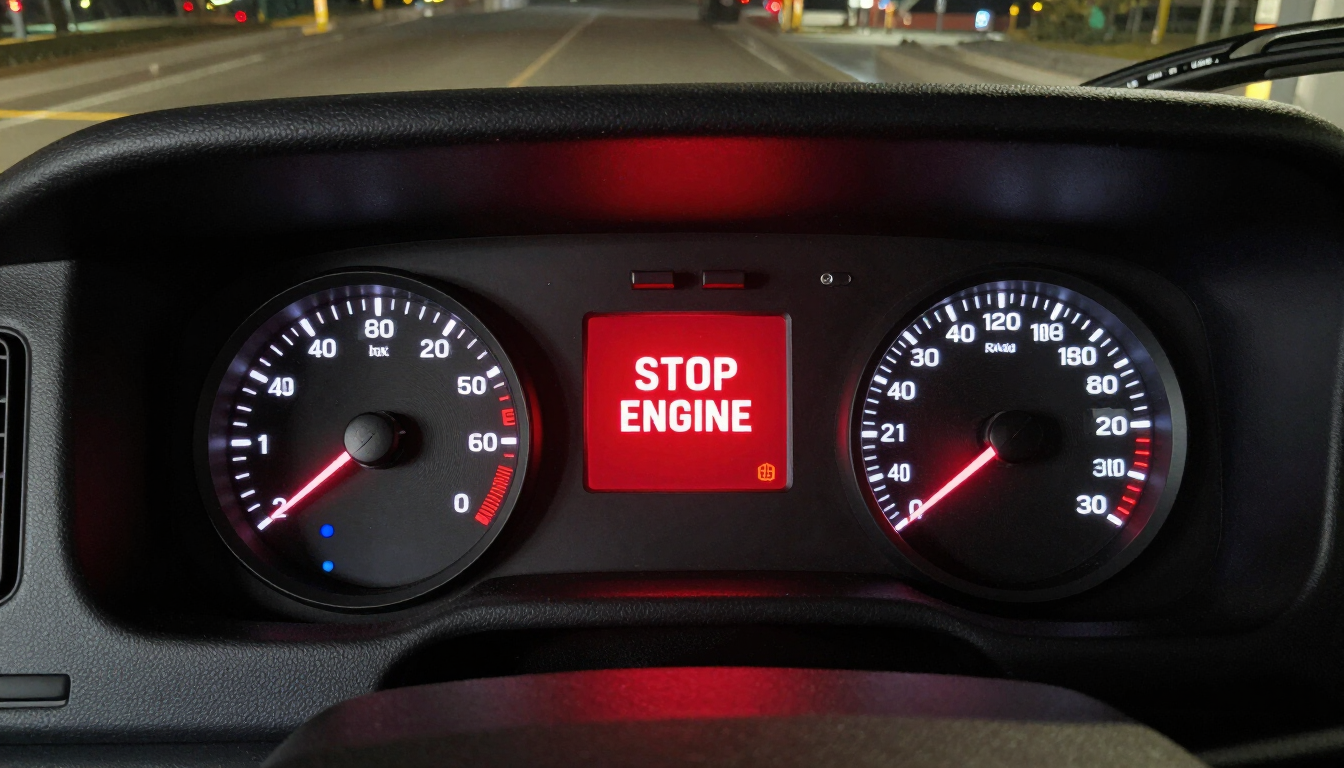
Commercial truck dashboard with glowing red warning lights illuminated.
August 7, 2026
Learn which truck dash warnings require an immediate stop. Our ASE Certified technician explains red lamps, derates, and fault codes to save your engine and ensure safety.
Mobile fleet service van parked next to a line of commercial trucks in Florida.
August 3, 2026
Learn how to safely get your commercial fleet back on the road after a hurricane with professional post-storm inspection tips from ASE Certified technicians.
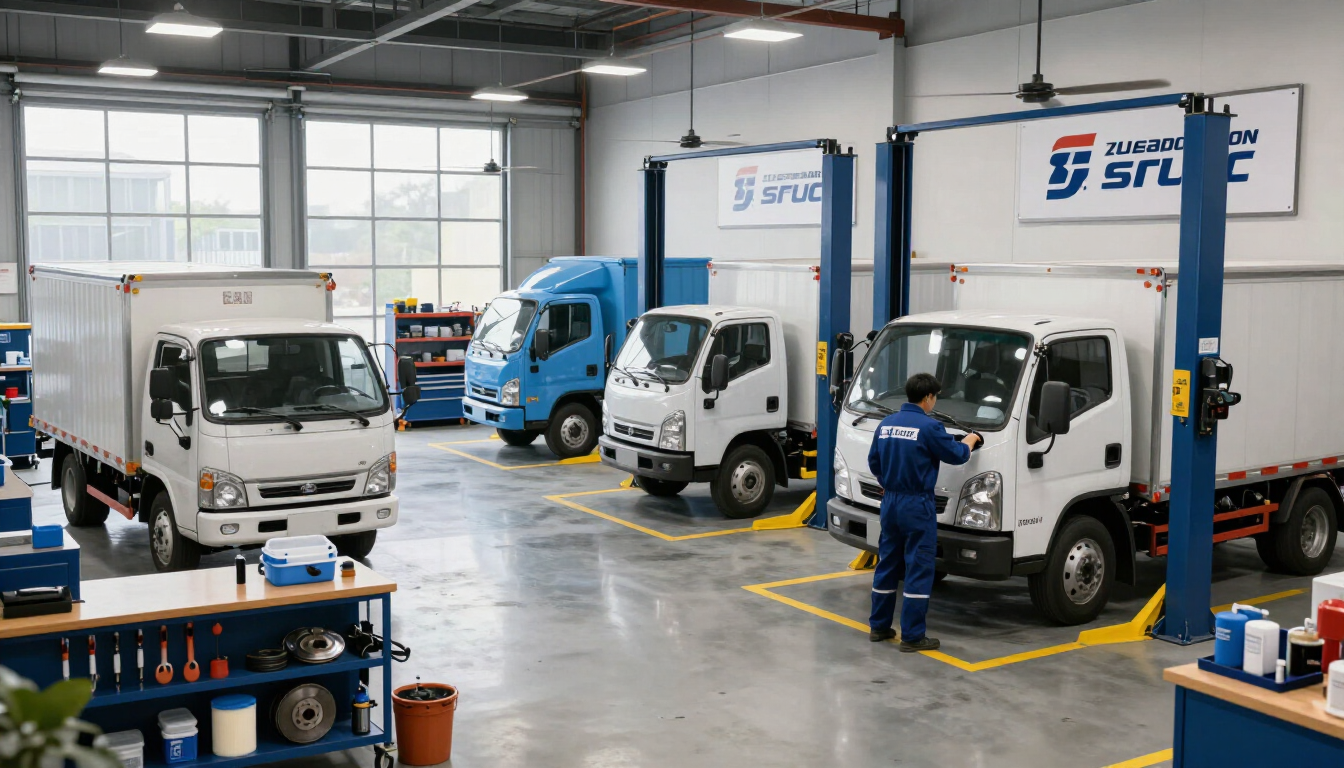
Medium duty trucks inside a professional fleet service shop bay.
July 27, 2026
Simplify your truck repair billing with a cbCharge fleet account. Get one monthly invoice, 30-day terms, and a secure online portal at our Florida shops.
ASE Certified technician testing commercial truck batteries in a Florida shop bay.
July 20, 2026
Learn why Florida heat is the #1 killer of commercial truck batteries. Discover warning signs and professional testing methods from an ASE-certified technician to avoid breakdowns.
Professional truck driver performing walkaround inspection on a medium duty truck.
July 13, 2026
Master your daily routine with our commercial truck walkaround guide. ASE Certified tips on tires, brakes, and leaks for Florida drivers from Professional Fleet Maintenance.
Technician filling a medium duty truck with DEF fluid
July 6, 2026
Expert guide on Diesel Exhaust Fluid (DEF) for Florida fleet managers. Learn how to prevent heat degradation and contamination in your medium-duty trucks from an ASE Certified technician.
Technician inspecting truck cooling system in Fort Lauderdale shop bay
June 29, 2026
Ensure your medium-duty truck survives the intense Florida summer heat. Explore 5 essential cooling system checks recommended by ASE Certified technicians in Fort Lauderdale to prevent overheating and costly downtime.
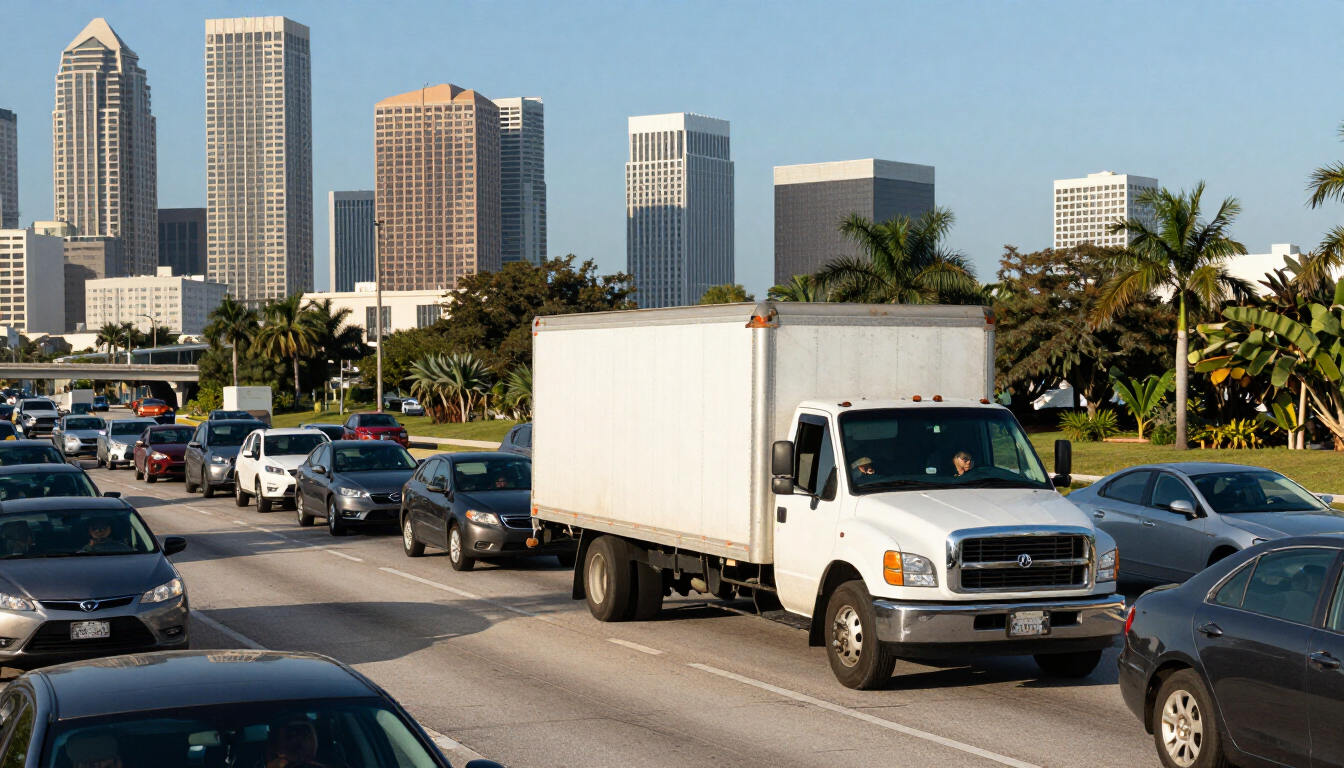
Medium duty box truck in heavy Florida traffic illustrating DPF challenges.
June 22, 2026
Learn why short routes in Tampa and Miami cause DPF issues. ASE certified tech advice on diesel regeneration, soot buildup, and professional aftertreatment diagnostics for Florida fleets.
By VIV Builder June 15, 2026
Use this commercial vehicle maintenance checklist for Florida fleets, covering fluids, tires, brakes, batteries, cooling, and more to reduce downtime and keep vehicles road-ready.
Show More