

How to Win at Cab-Over Truck Maintenance (2026)

Cab-over truck maintenance keeps Isuzu, Hino, and Mitsubishi work trucks dependable by addressing the stress of Florida heat, heavy idling, short trips, repeated starts, and towing. For landscaping and service crews in Orlando and Kissimmee, the best approach combines preventive inspections, timely diagnostics, and a simple driver walkaround before every shift.

Cab-over truck maintenance at a Florida landscaping job site

Why do cab-over trucks need a duty-cycle maintenance plan?

A cab-over truck may cover fewer miles than a long-haul vehicle and still experience severe operating stress. Landscaping and service crews often make many short stops, leave the engine running while equipment is used, carry tools and materials, and tow trailers between jobs.

Mileage alone may not show the full picture. A truck that spends hours idling or making stop-and-go trips can place extra demands on its cooling system, battery, brakes, transmission, suspension, and engine accessories. Heat adds another challenge, especially when a vehicle is working in exposed Florida conditions.

A practical maintenance plan considers how the truck is used, not just the number on the odometer. Keep service notes that include:

  • Average daily hours, mileage, and idle time
  • Typical payloads and trailer use
  • Repeated warning lights or driver complaints
  • Starting, cooling, braking, and shifting behavior
  • Job-site conditions such as dust, mud, standing water, or rough access roads

For broader maintenance planning, review Professional Fleet Maintenance’s preventative maintenance services and fleet services .

How does Florida heat affect Isuzu, Hino, and Mitsubishi trucks?

High ambient temperatures make it harder for a vehicle to reject heat. Slow traffic, extended idling, air-conditioning use, and heavy loads can compound the problem. A cooling system that seems acceptable on a mild morning may struggle during an afternoon route.

Watch for changes rather than waiting for a serious overheating event. Drivers should report temperature movement, coolant smell, visible leaks, unusual fan noise, loss of air conditioning, or reduced performance. A warning light or rising temperature gauge deserves attention before the truck returns to a loaded route.

Heat also increases demand on electrical components. Batteries, terminals, cables, alternators, and starter circuits must support frequent starts and accessory use. Corrosion, loose connections, or a weak battery can turn a normal stop into a no-start situation.

Useful inspection areas include:

  • Coolant level, hoses, radiator condition, and visible leaks
  • Battery terminals, cables, and starting performance
  • Belts, pulleys, and tension-related noise
  • Air-conditioning performance at idle
  • Oil condition and signs of fluid seepage

A qualified technician can use testing and diagnostics to separate a cooling, electrical, fuel, or control-system concern instead of replacing parts by guesswork.

What should drivers check before each workday?

A short walkaround helps catch problems while the truck is still at the yard. It is not a substitute for professional service, but it gives drivers a repeatable way to report small changes early.

A practical cab-over walkaround

  1. Look underneath. Check for fresh oil, coolant, fuel, or transmission fluid. Note puddles, wet areas, or new spots.
  2. Inspect the tires. Look for visible damage, uneven wear, objects in the tread, or a tire that appears low.
  3. Check lights and signals. Confirm headlights, brake lights, turn signals, marker lights, and hazard lights operate properly.
  4. Open the hood or service area. Look for loose components, damaged belts, rodent damage, disconnected wiring, or unusual odors.
  5. Listen during startup. Pay attention to extended cranking, grinding, squealing, knocking, or a change from the normal startup sound.
  6. Review the dash. Do not ignore warning lights, unusual gauge readings, or messages that were not present before.
  7. Test the basics at low speed. Confirm steering, braking, clutch engagement or shifting, and suspension feel are normal before leaving.

For recurring concerns involving starting, charging, or electrical accessories, see Battery & Electric . For fluid leaks or hose concerns, the Belts, Hoses & Filters service page provides a useful next step.

How should crews manage heavy idling and short trips?

Heavy idling and short hops create a different pattern of wear from steady highway travel. The engine may run for long periods without much road speed, while the truck repeatedly starts, stops, cools, and heats. Components may not reach ideal operating conditions consistently, and accessories such as air conditioning can run continuously.

Crew leaders can reduce avoidable stress by matching truck use to the job whenever possible:

  • Avoid unnecessary idling when the truck is safely parked and no equipment requires it.
  • Give drivers a clear process for reporting warning lights or changes in performance.
  • Group nearby jobs when practical to reduce repeated cold starts and short repositioning trips.
  • Keep service records by vehicle, including idle-heavy work and recurring complaints.
  • Schedule inspection time before a small issue affects a full crew or trailer.

This does not mean every idle event is avoidable. The goal is to understand the duty cycle and inspect the systems that experience the most load.

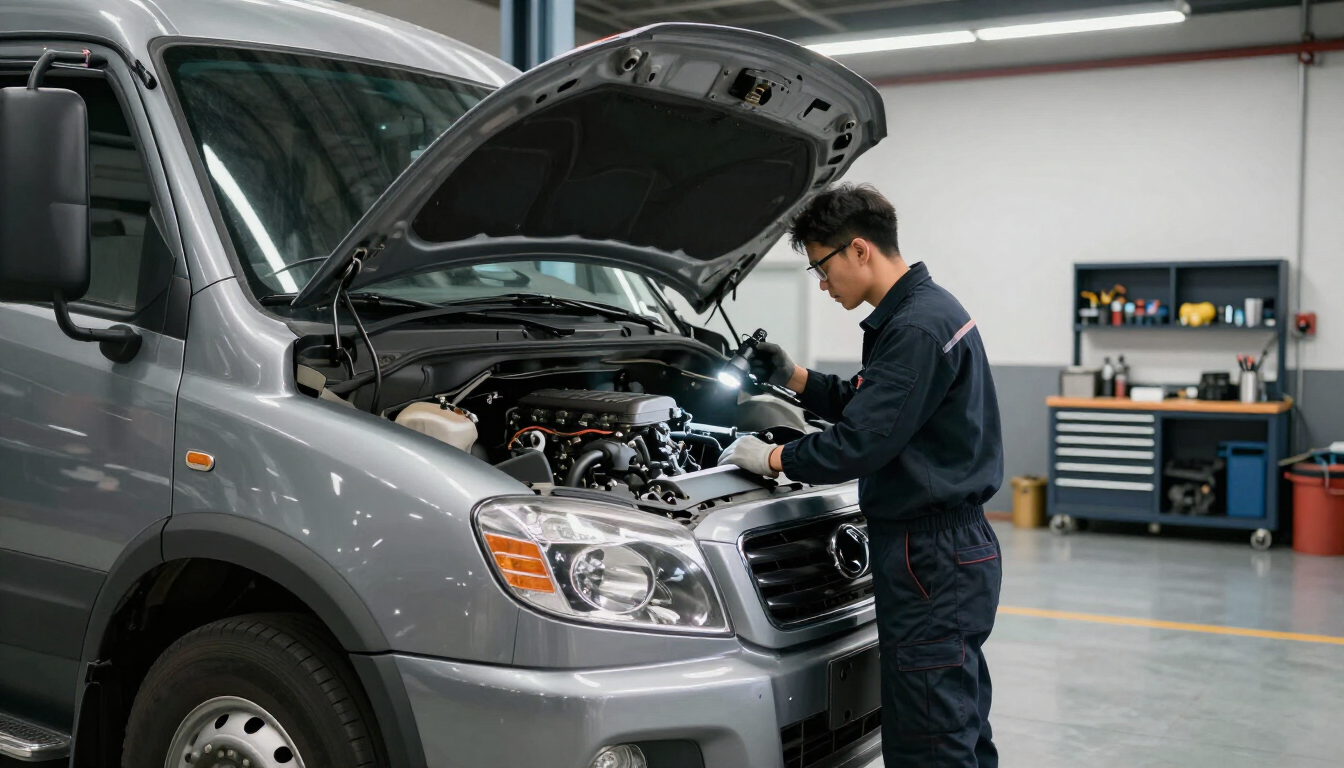
Technician inspecting a medium-duty cab-over truck in a clean service bay

What changes when a cab-over truck is towing?

Towing adds load to the engine, transmission, cooling system, brakes, tires, and suspension. A truck may feel normal empty but show symptoms when pulling a trailer, climbing a grade, or maneuvering around a job site.

Before towing, confirm the truck’s steering and braking feel are consistent, tires appear sound, trailer connections are secure, and lights function. During use, drivers should report temperature changes, delayed shifting, vibration, pulling, unusual smells, or reduced acceleration.

Repeated towing concerns may point to more than one system. A transmission issue can feel like an engine problem, while worn suspension components can affect tire wear and braking confidence. Professional inspection is more useful than relying on a single symptom. Explore suspension services , brake service , and transmission services when those systems need attention.

Signs it is time for professional truck repair

Do not wait for a truck to become undriveable before arranging an evaluation. Contact a repair facility when a driver notices a recurring or worsening issue, including:

  • Repeated hard starts or a battery that loses power
  • Rising temperature, coolant loss, or an overheating warning
  • New vibration, pulling, steering looseness, or uneven tire wear
  • Brake noise, a soft pedal, or longer stopping response
  • Slipping, delayed engagement, harsh shifting, or clutch concerns
  • Warning lights, reduced power, smoke, fluid leaks, or unusual odors

Professional Fleet Maintenance has ASE Certified technicians with more than 20 years of experience serving commercial vehicles. The company supports crews throughout South and Central Florida, including Orlando, Kissimmee, Tampa Bay, and surrounding service areas. Learn more about medium-duty truck service or ASE-certified technicians .

A straightforward maintenance approach for busy crews

Cab-over truck maintenance works best when it reflects the truck’s real job. Heat, idling, short trips, heavy payloads, rough access roads, and towing can create significant stress even when annual mileage is modest. Drivers should complete a consistent walkaround, report changes immediately, and keep vehicle-specific records. Fleet managers should use those records to plan inspections and address patterns before they become roadside failures. If your Isuzu, Hino, or Mitsubishi truck shows a new warning, leak, temperature change, starting problem, or towing symptom, arrange a professional evaluation. For Orlando and Kissimmee crews, the next step is to schedule an appointment or contact Professional Fleet Maintenance.

Work truck after storm flooding on a wet road
By Samantha Boylls • October 12, 2026
Learn what to do with a work truck after storm flooding. An ASE Certified technician explains what professionals inspect in Miami-Dade and Broward.

Fleet maintenance check for box trucks before holiday delivery peak
By Samantha Boylls • October 5, 2026
Prepare South Florida delivery trucks for holiday demand with five practical fleet maintenance checks.

Close up of a commercial truck dashboard with illuminated warning lights.
September 28, 2026
Learn what common commercial truck dashboard warning lamps mean from an ASE-certified tech. Know which symbols require an immediate stop to prevent engine damage.

Professional fleet maintenance service counter and billing office
September 21, 2026
Learn how a CB Charge fleet account simplifies consolidated billing for truck repairs at Professional Fleet Maintenance locations across South and Central Florida.

White delivery truck in Tampa traffic representing diesel aftertreatment challenges.
September 14, 2026
Discover why stop-and-go Tampa traffic is hard on diesel aftertreatment systems and how last-mile delivery fleets can prevent soot buildup and downtime.
Technician inspecting medium duty truck for storm readiness
September 7, 2026
An ASE-Certified guide to pre-storm fleet readiness in South Florida. Learn how to prep medium-duty trucks for Broward and Palm Beach storm seasons to ensure post-storm reliability.
Medium duty truck tires on a Florida construction site
August 24, 2026
Expert advice on managing Florida work truck tires during summer. Avoid blowouts with pressure checks and professional maintenance in Central Florida.
ASE Certified technician installing a JASPER remanufactured engine in a fleet truck.
August 17, 2026
Learn why Professional Fleet Maintenance chooses JASPER remanufactured engines and transmissions to minimize downtime for Fort Lauderdale and Tampa fleets.
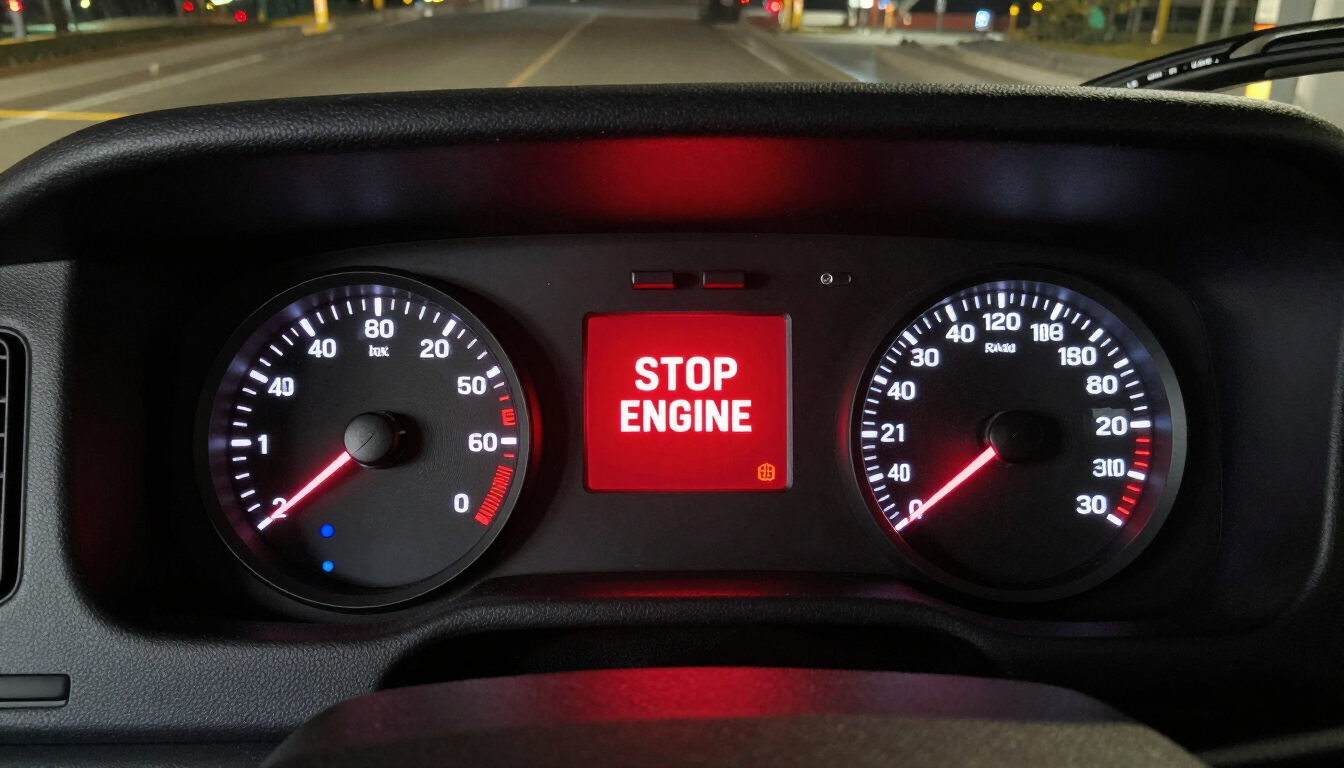
Commercial truck dashboard with glowing red warning lights illuminated.
August 7, 2026
Learn which truck dash warnings require an immediate stop. Our ASE Certified technician explains red lamps, derates, and fault codes to save your engine and ensure safety.
Mobile fleet service van parked next to a line of commercial trucks in Florida.
August 3, 2026
Learn how to safely get your commercial fleet back on the road after a hurricane with professional post-storm inspection tips from ASE Certified technicians.
Show More