
How to Prevent DPF Regen Failure on Delivery Trucks
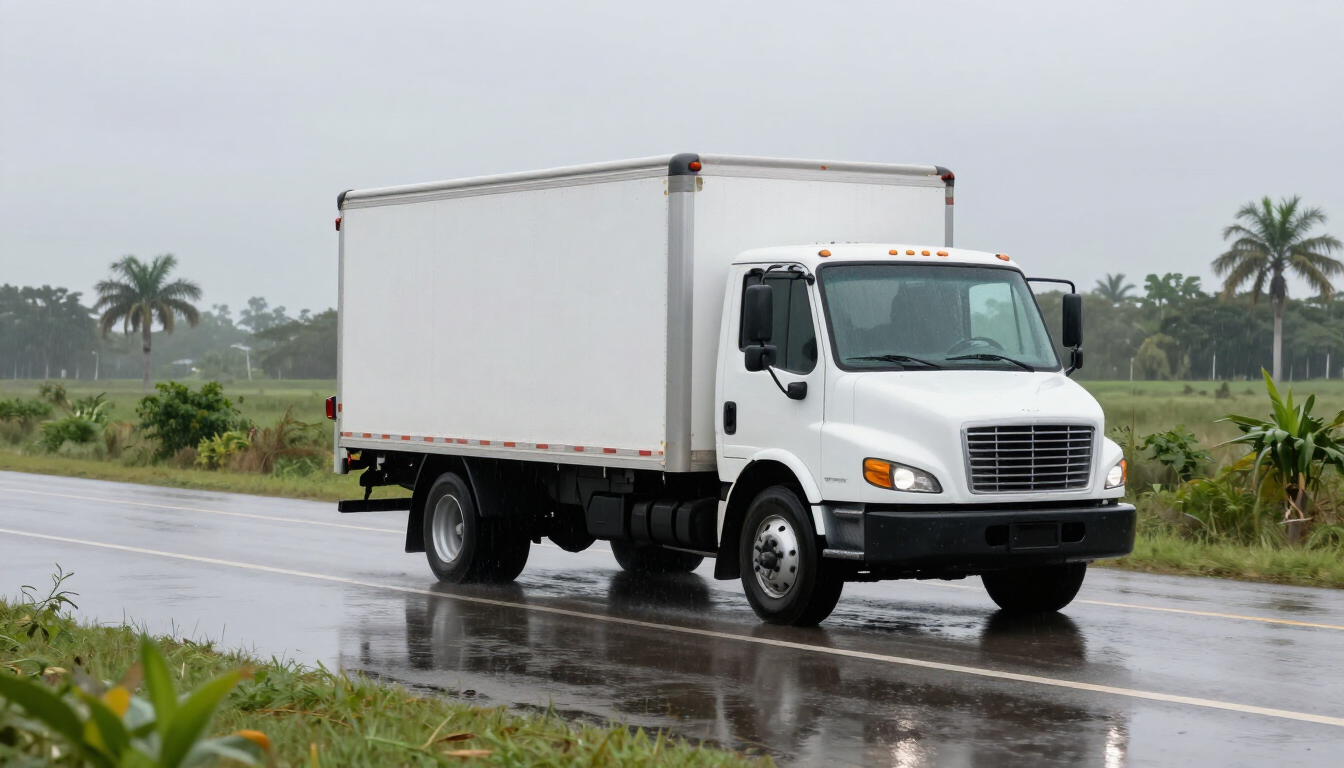
A DPF regen failure occurs when a diesel truck cannot raise exhaust temperature or complete the cleaning cycle needed to burn accumulated soot. On Miami-Dade delivery routes, short trips, frequent stops, and extended idling often prevent a full regeneration. Continued operation can trigger warning lights, reduced power, or a damaging derate.
Why do stop-and-go routes cause DPF regen failure?
A diesel particulate filter (DPF) captures soot from exhaust. During a regeneration, the truck raises exhaust temperature so the soot can burn off. That process needs enough operating time and heat.
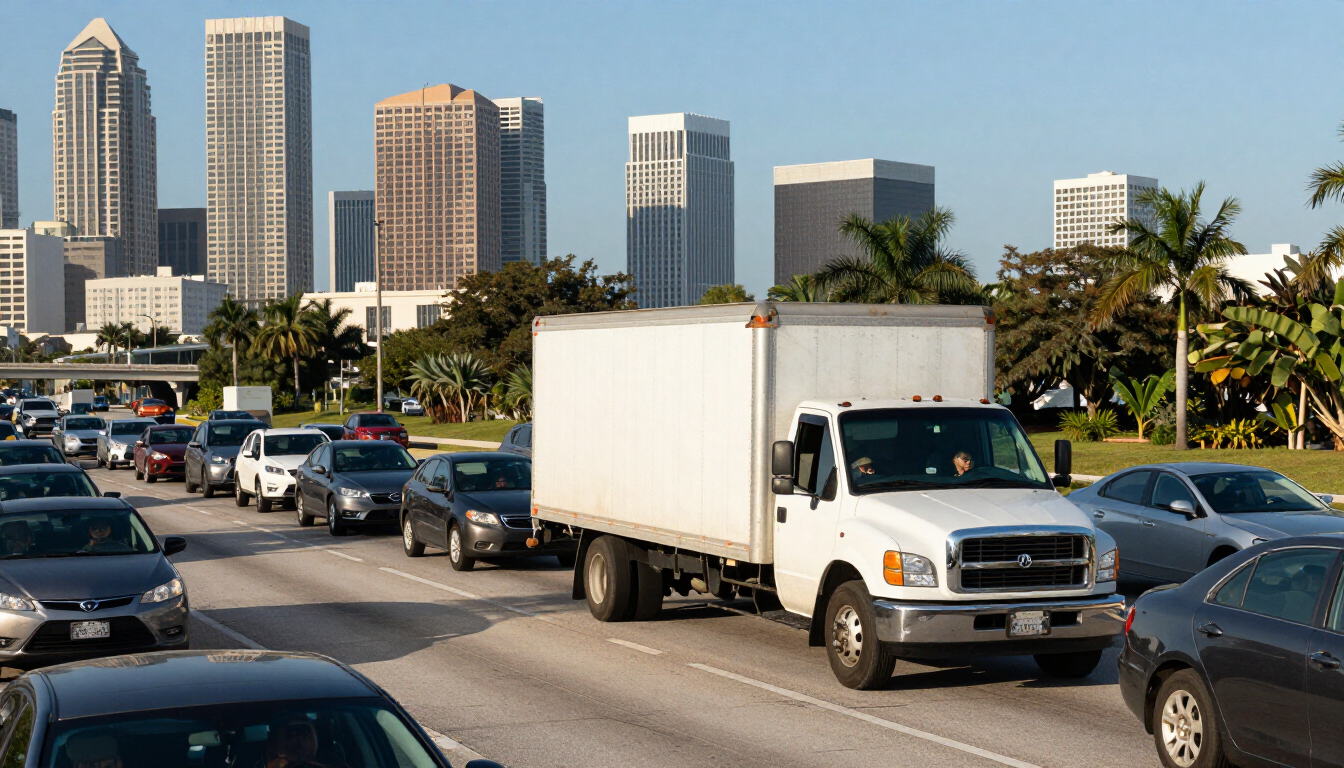
Delivery trucks in Miami-Dade often face the opposite conditions:
- Short runs between warehouses, stores, and customers
- Repeated acceleration, braking, and traffic-light stops
- Long periods of idling while loading or making deliveries
- Heavy traffic on local streets and major corridors
- High accessory loads from air conditioning in hot weather
Each condition can keep the exhaust too cool for too long. The truck may begin a regeneration, but the driver reaches the next stop, shuts down, or returns to low-speed operation before the process finishes. One interrupted cycle may not create an immediate problem. Repeated interruptions can allow soot loading to increase until the truck cannot complete a normal automatic regen.
This is a route and operating-pattern issue, not automatically a failed DPF. The filter, sensors, fuel system, exhaust system, and engine controls all have to be evaluated before anyone identifies the root cause.
What is a normal regeneration supposed to do?
A regeneration is the truck’s controlled method of reducing soot inside the DPF. Depending on the vehicle and its control strategy, it may occur automatically while driving or may require a stationary service procedure.
During a successful cycle, the engine and aftertreatment system work together to create and maintain the required temperature. Sensors monitor conditions such as exhaust temperature and pressure. The engine control module uses that information to determine whether the process is working.
A regeneration may not be noticeable to the driver. In some cases, the driver may notice higher idle speed, cooling fans running, a different exhaust smell, or increased exhaust temperature. These signs vary by truck, engine, software calibration, and operating conditions.
The key point for a fleet manager is simple: a regen is not just a button or a dash-light reset. The truck needs the right conditions, and the cause of an incomplete cycle must be found if the issue repeats.
What are the early warning signs?
Early signs can be easy to overlook during a busy delivery day. Watch for changes that repeat across a truck, route, or shift:
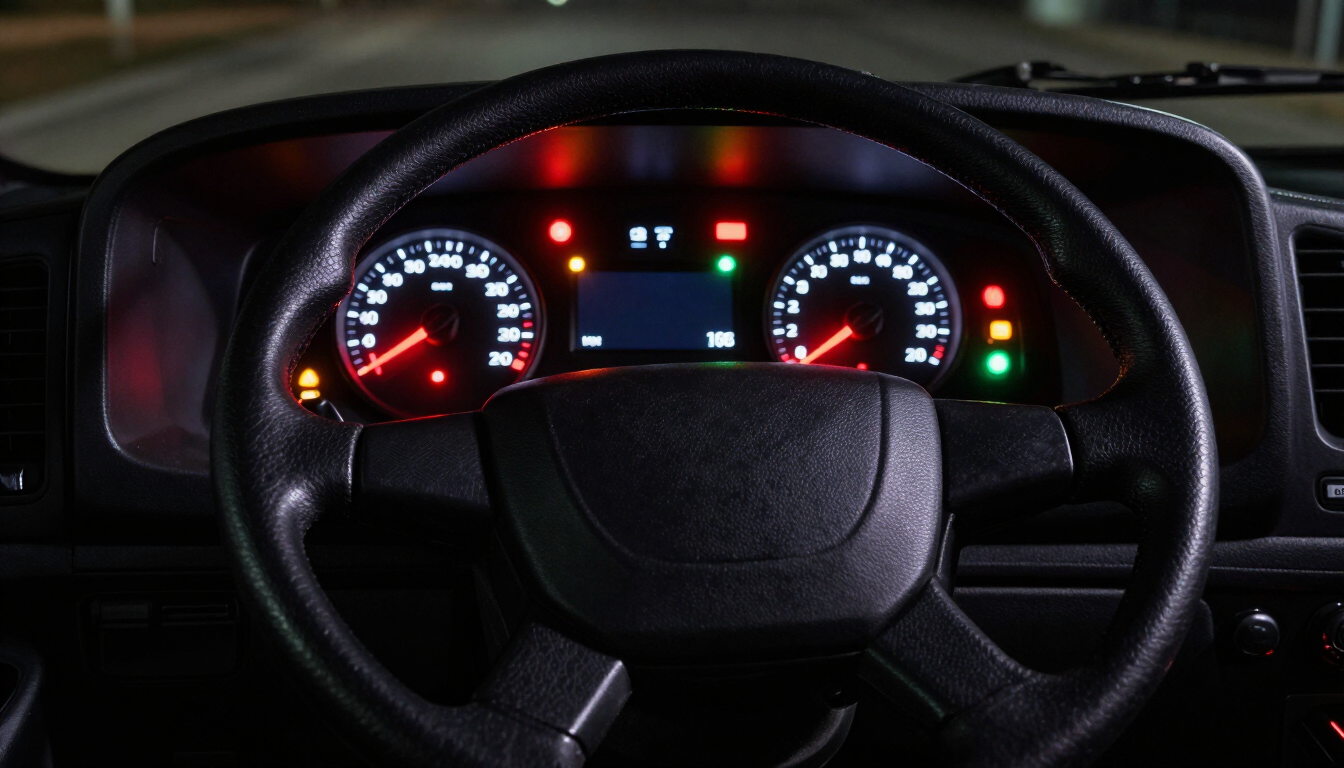
- A DPF, engine, or aftertreatment warning message
- More frequent regeneration requests than usual
- A regeneration that starts but does not finish
- Reduced acceleration or slower response under load
- Higher-than-normal idle speed or cooling-fan activity
- Unusual exhaust odor, smoke, or heat near the tailpipe
- Increasing fuel use or longer time spent at stops
A warning message does not prove that one specific part has failed. It tells you the vehicle’s control system detected a condition that needs diagnosis. Record the message, fault code, mileage, route, recent repairs, and whether the truck was loaded or empty. Those details help a technician reproduce the operating pattern.
Why does a derate mean stop and call?
A derate is a protective operating strategy. The truck reduces power or speed because the control system sees a condition that may worsen with continued operation. Depending on the vehicle, the cause may involve soot loading, exhaust temperature, differential pressure, sensor data, emissions-system controls, or another engine concern.
When a truck derates, do not keep driving and hope the next route will clear it. Do not repeatedly force a parked regeneration without following the manufacturer’s procedure. Continued operation can increase heat, stress components, interrupt deliveries, and turn a manageable diagnostic issue into a larger repair.
For a fleet manager, the practical response is:
- Move the vehicle only as needed for immediate safety.
- Have the driver report the exact dash message and symptoms.
- Contact your maintenance provider or repair facility.
- Arrange diagnosis before assigning another delivery route.
- Tell the technician about recent regens, idling, repairs, and route conditions.
If the truck has severe power loss, abnormal smoke, unusual heat, or another safety concern, follow your company’s roadside and recovery procedures.
What does a technician check for a failed regen?
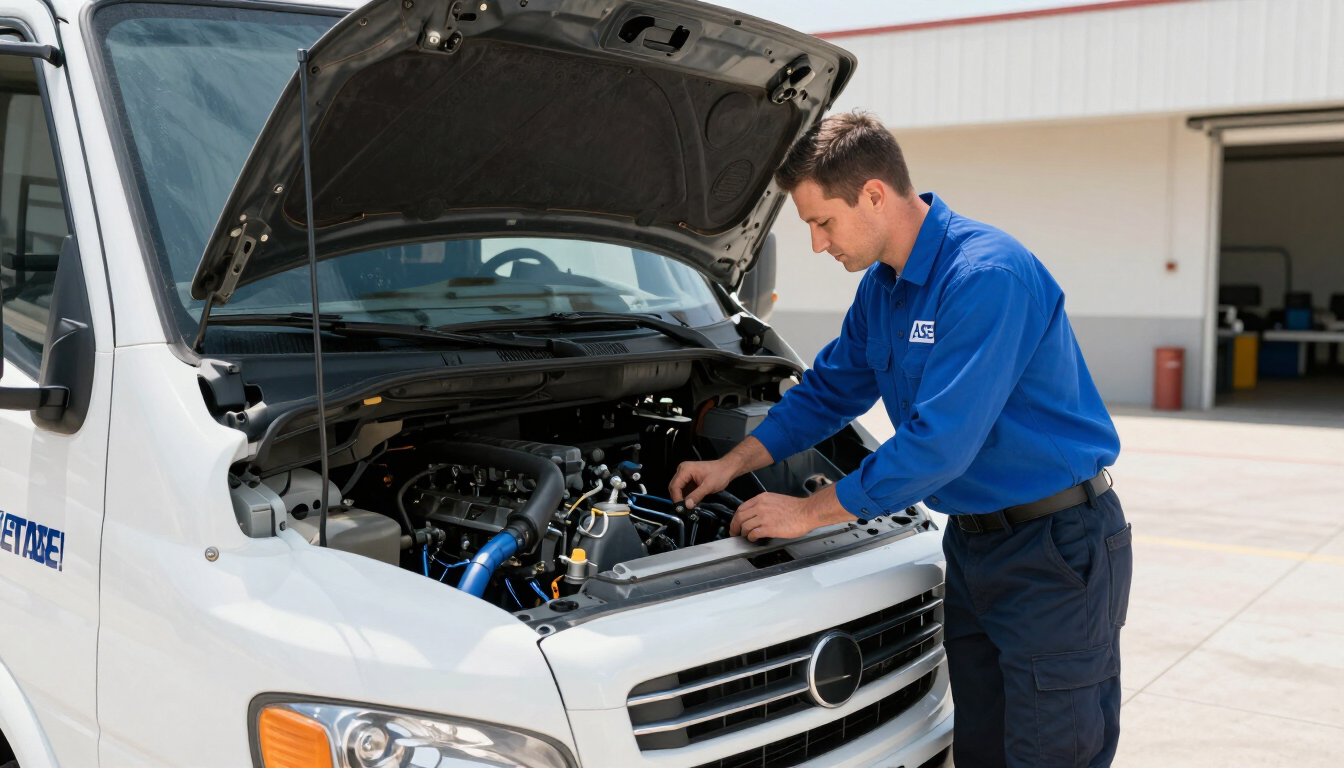
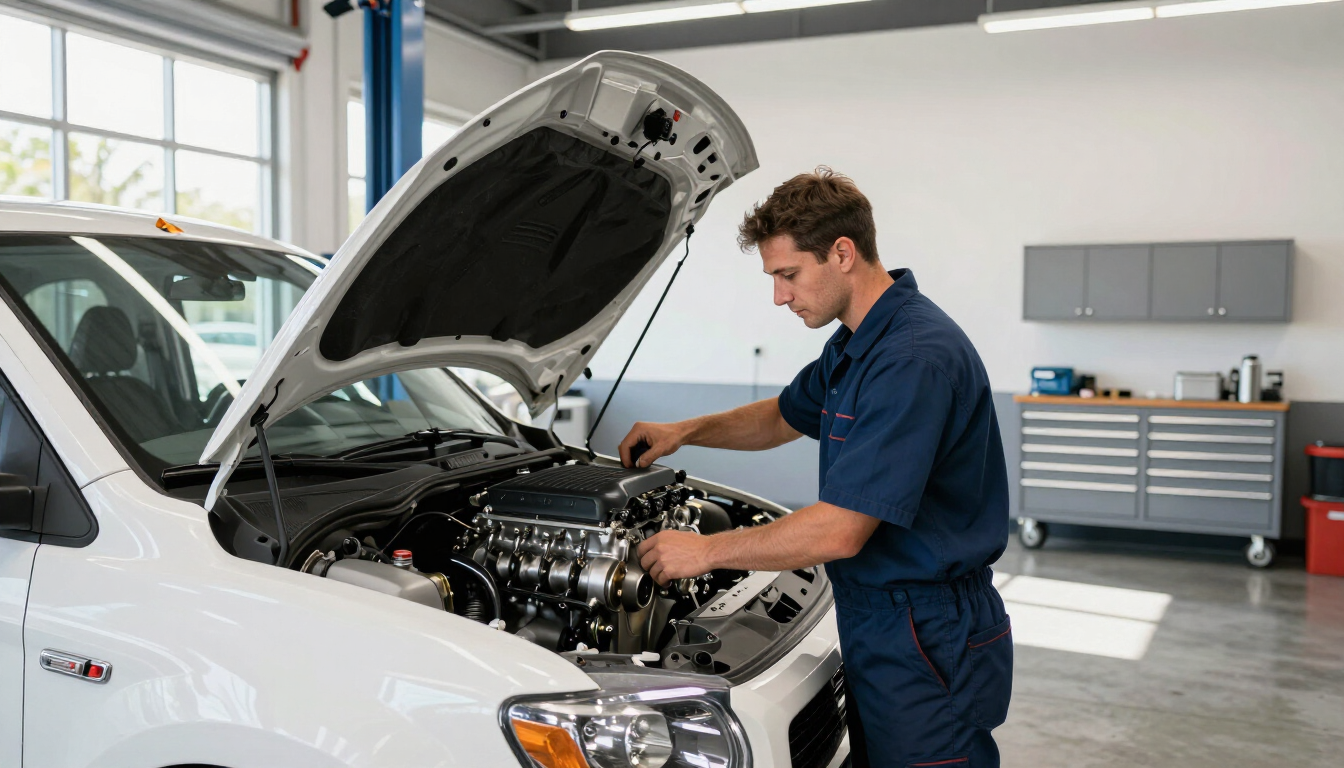
A proper diagnosis starts with the truck’s data and operating history. At a professional diesel repair facility, a technician may inspect and test several systems rather than replacing a part based on one code.
Typical checks include:
- Stored, pending, and historical diagnostic trouble codes
- Regeneration history and calculated soot-load data
- DPF differential-pressure readings and related hoses
- Exhaust temperature sensor readings and wiring
- Temperature and pressure behavior during operation
- Exhaust leaks before or around the aftertreatment system
- Intake, boost, and air-management performance
- Fuel delivery and injector operation when indicated
- EGR operation and engine conditions affecting soot production
- Battery voltage and electrical connections
- Software updates or manufacturer-specific service information
The technician may compare scan-tool data with physical measurements and a road test. A fault code narrows the search; it does not automatically identify a failed component. For example, a pressure-related code could involve the sensor, hose, wiring, exhaust condition, or actual restriction. Testing separates those possibilities.
A shop should also ask how the truck is used. Two identical trucks can produce different results when one runs longer regional routes and the other makes dozens of short stops each day.
How can a fleet prevent repeated regen problems?
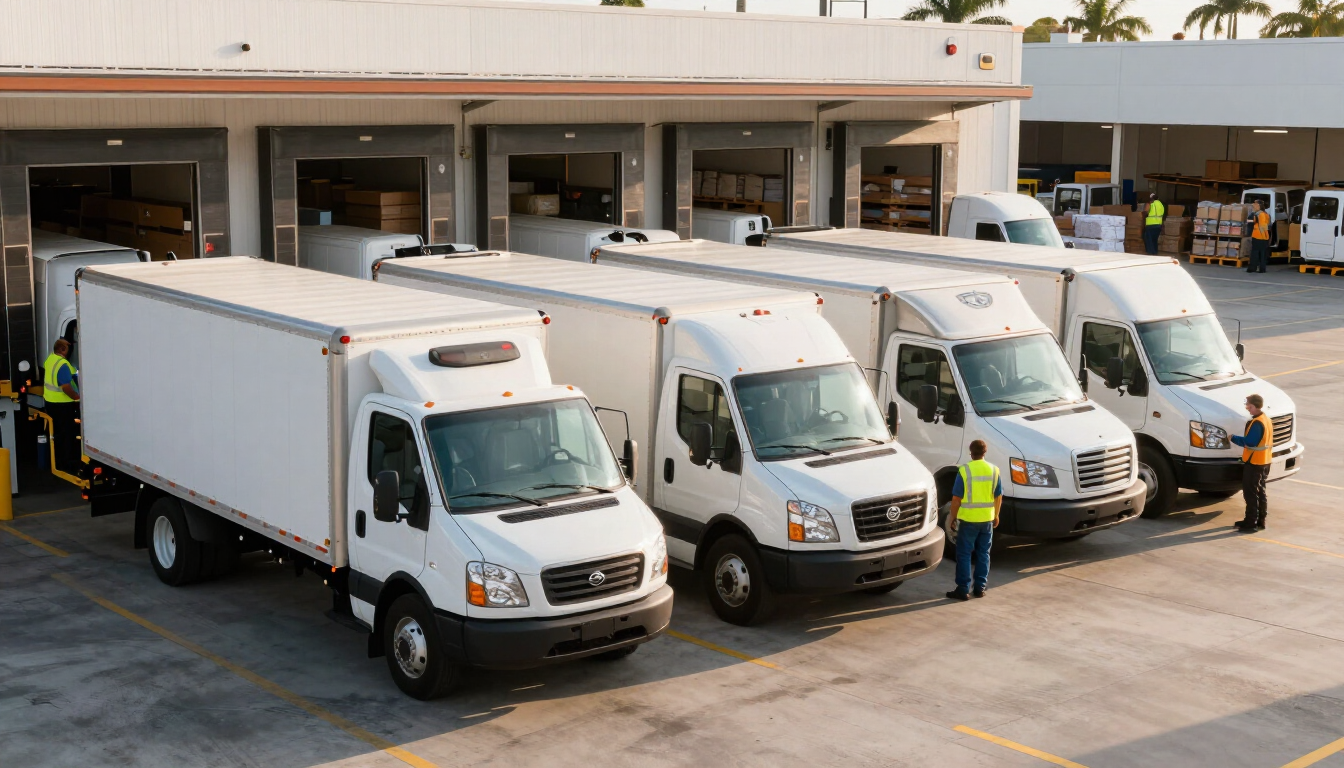
Prevention begins with matching maintenance planning to the route. A truck that spends most of its day idling and stopping needs closer monitoring than one that regularly operates at highway speed.
Useful fleet practices include:
- Track regen frequency, completion, warnings, and route assignment.
- Train drivers to report messages instead of ignoring them.
- Reduce unnecessary idling where operationally practical.
- Schedule inspections when a truck shows repeated interrupted regens.
- Keep engine, intake, fuel, and exhaust maintenance current.
- Review recurring issues by vehicle, driver, route, and season.
- Avoid assigning a warning truck to a critical all-day route.
Do not ask drivers to create unsafe heat conditions, alter emissions equipment, or bypass a warning. Follow the truck manufacturer’s operating instructions and your company’s maintenance procedures.
Preventative maintenance is most effective when it includes trend review. A single warning may be an isolated event. A pattern of shorter intervals between regens, repeated incomplete cycles, or rising pressure readings deserves attention before the vehicle reaches a derate.
For broader fleet planning, see our fleet services and preventative maintenance resources. If the truck is already showing a warning or reduced power, our diagnostics and medium duty truck service teams can help identify the cause.
Should a driver keep working after a regen warning?
That depends on the warning level, truck instructions, and operating symptoms. A mild notification may allow the driver to follow the vehicle’s approved regeneration procedure. A flashing warning, repeated failed regen, reduced power, or derate requires prompt communication with maintenance.
The driver should not guess, clear the warning, disconnect sensors, or continue a normal route after a derate. The safest decision comes from the vehicle’s instructions and a qualified technician who can review the data.
A practical fleet response
DPF regen failure is common on delivery trucks that spend the day in Miami-Dade stop-and-go traffic because short trips and idling may not provide enough heat or time for a complete cleaning cycle. The first warning signs are repeated regen requests, dashboard messages, reduced performance, or unusual operating behavior.
Treat a derate as a stop-and-call condition, not a problem to postpone. Record what the driver saw, remove the truck from its route when appropriate, and have a technician test the complete system. Consistent route records, driver reporting, and preventative maintenance help your shop find problems earlier and keep delivery equipment working safely.