
How Fleet Maintenance Improves Fuel Efficiency
Fuel efficiency is one of the most important factors affecting the operating costs of a commercial fleet. For businesses in Florida, where vehicles often travel long distances and operate in high temperatures, fuel expenses can quickly become a significant portion of the budget. Regular fleet maintenance plays a critical role in improving fuel efficiency and reducing overall costs.
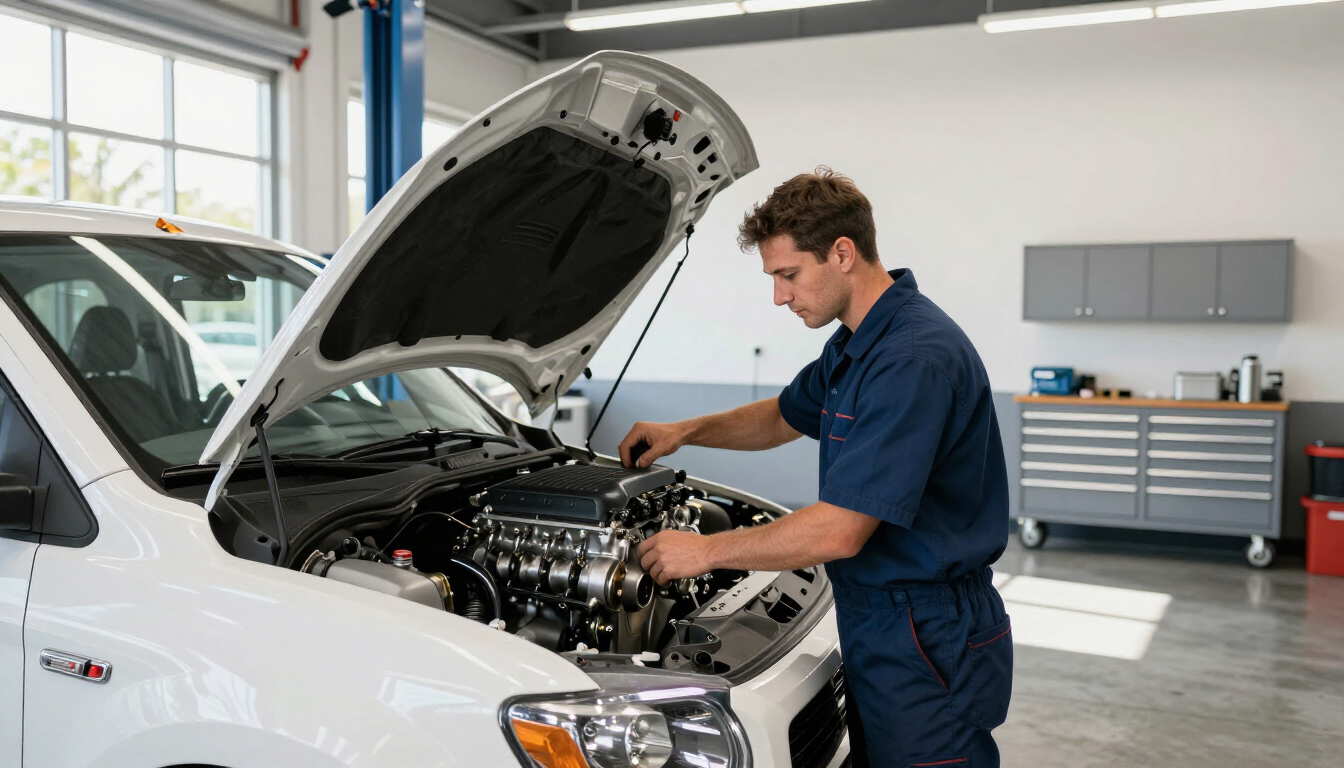
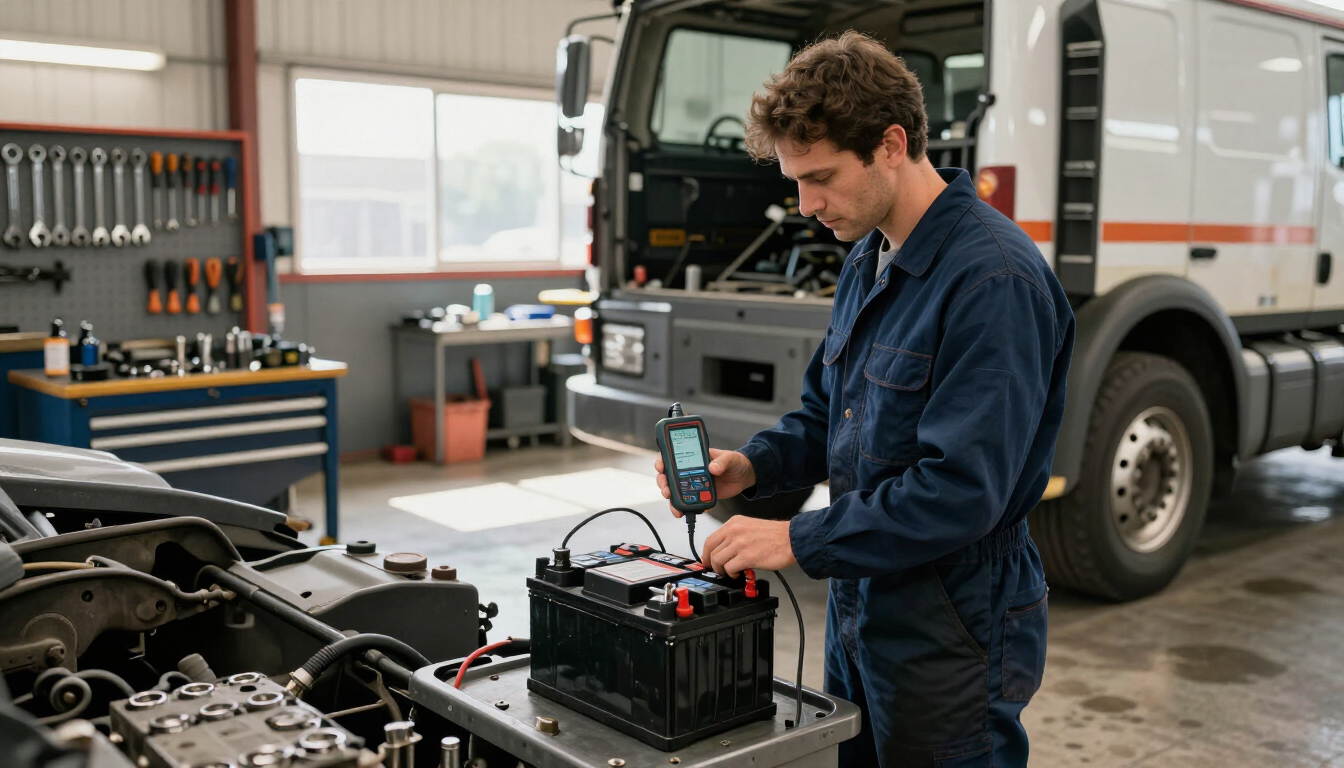
One of the primary ways maintenance improves fuel efficiency is by ensuring that engines are operating at peak performance. Over time, components such as air filters, fuel injectors, and spark plugs can become dirty or worn. This reduces engine efficiency and increases fuel consumption. Regular servicing helps keep these components clean and functioning properly, allowing engines to run more efficiently.
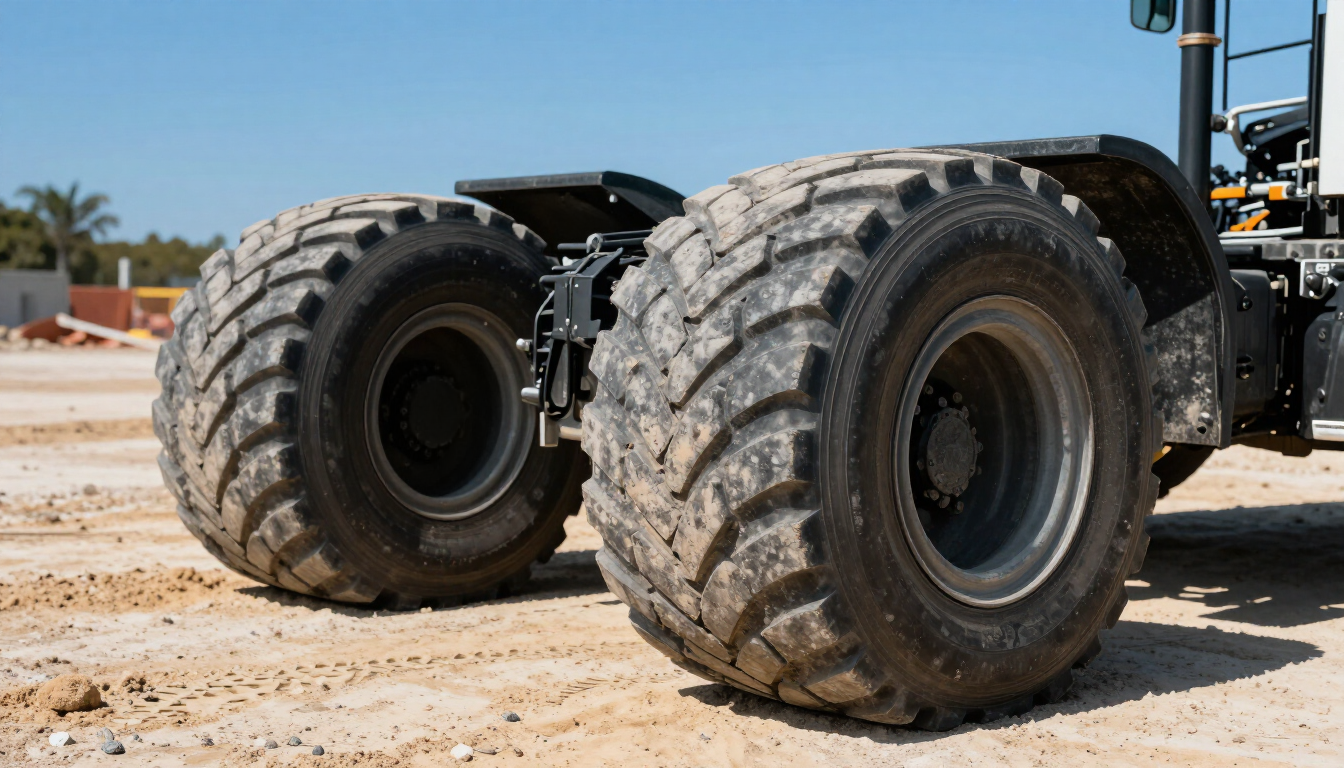
Proper tire maintenance is another key factor in fuel efficiency. Tires that are underinflated or unevenly worn create additional resistance, which requires more energy and fuel to move the vehicle. Regular tire checks and rotations help ensure that tires are in good condition and properly inflated, reducing resistance and improving fuel economy.
Oil quality also plays a role in fuel efficiency. Clean, high quality oil reduces friction within the engine, allowing it to operate more smoothly. This not only improves performance but also reduces the amount of fuel required to power the vehicle. In Florida’s hot climate, maintaining proper oil levels and quality is essential for preventing excessive wear and maintaining efficiency.
The cooling system is another important component. An overheating engine can become less efficient and consume more fuel. Regular inspections of radiators, coolant levels, and hoses help ensure that the engine remains at the proper temperature, which supports optimal performance and fuel efficiency.
Alignment and suspension also impact fuel usage. Vehicles with poor alignment or worn suspension components may experience increased drag and uneven tire wear. This can lead to higher fuel consumption and reduced performance. Regular inspections help identify and correct these issues before they affect efficiency.
Driving conditions in Florida, including traffic and long distances, make it even more important to maintain fuel efficiency. Well maintained vehicles are better equipped to handle these conditions and operate more consistently. This reduces the strain on engines and helps maintain steady fuel consumption.
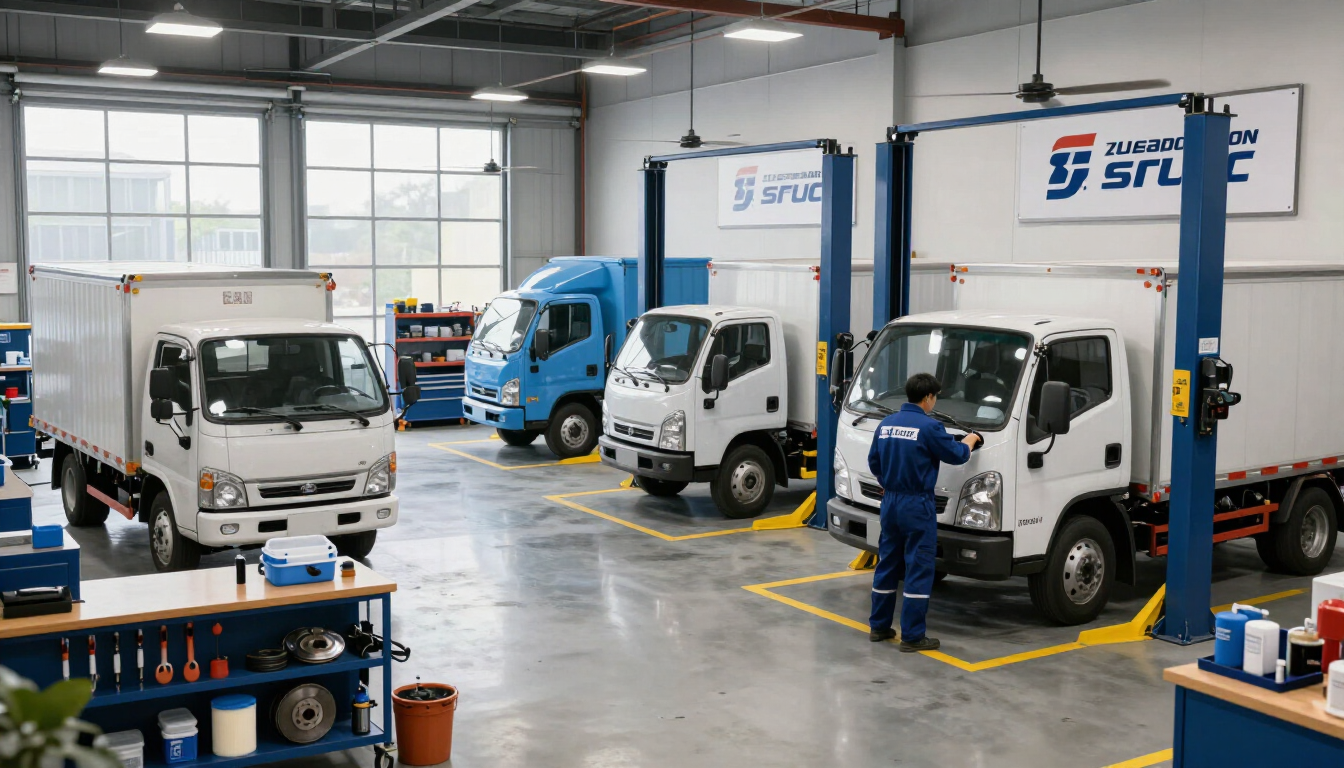
Mobile fleet maintenance services can support fuel efficiency by making it easier for businesses to stay consistent with their maintenance schedules. On site service reduces the likelihood of missed maintenance and ensures that vehicles receive timely care. This consistency is key to maintaining efficiency over time.
Improving fuel efficiency is not just about saving money, it is also about optimizing operations. Lower fuel consumption means fewer stops for refueling and more time spent completing tasks. This contributes to overall productivity and helps businesses operate more effectively.
For Florida businesses that rely on their fleet, regular maintenance is one of the most effective ways to improve fuel efficiency. By keeping vehicles in top condition, companies can reduce fuel costs, enhance performance, and maintain a more efficient operation.