

Driver Daily Walk-Around Guide
A commercial truck walkaround guide is a systematic daily inspection performed by drivers to identify mechanical, safety, and operational issues before hitting the road. This routine check focuses on tires, fluid levels, brakes, and lighting to ensure the vehicle is safe, preventing costly roadside breakdowns and extending fleet longevity.
Why Your Daily Walkaround is Your Best Defense
After spending over 20 years as an ASE-CERTIFIED technician working on medium-duty trucks, I can tell you one thing for certain: your truck talks to you. Most major breakdowns don't happen out of thin air. They start as a small whisper—a tiny drip, a slight vibration, or a faint hiss. The daily walkaround is your chance to listen to that whisper before it turns into a scream that leaves you stranded on the side of I-95.
When we talk about PREVENTATIVE MAINTENANCE , the driver is the first line of defense. You know how the truck should feel and sound better than anyone else. By following a consistent commercial truck walkaround guide, you aren’t just following a routine; you are protecting your paycheck and your safety. In the Florida heat, from Fort Lauderdale to Tampa, your equipment works twice as hard, making these daily checks even more vital.
What should I look for during a daily truck walkaround?
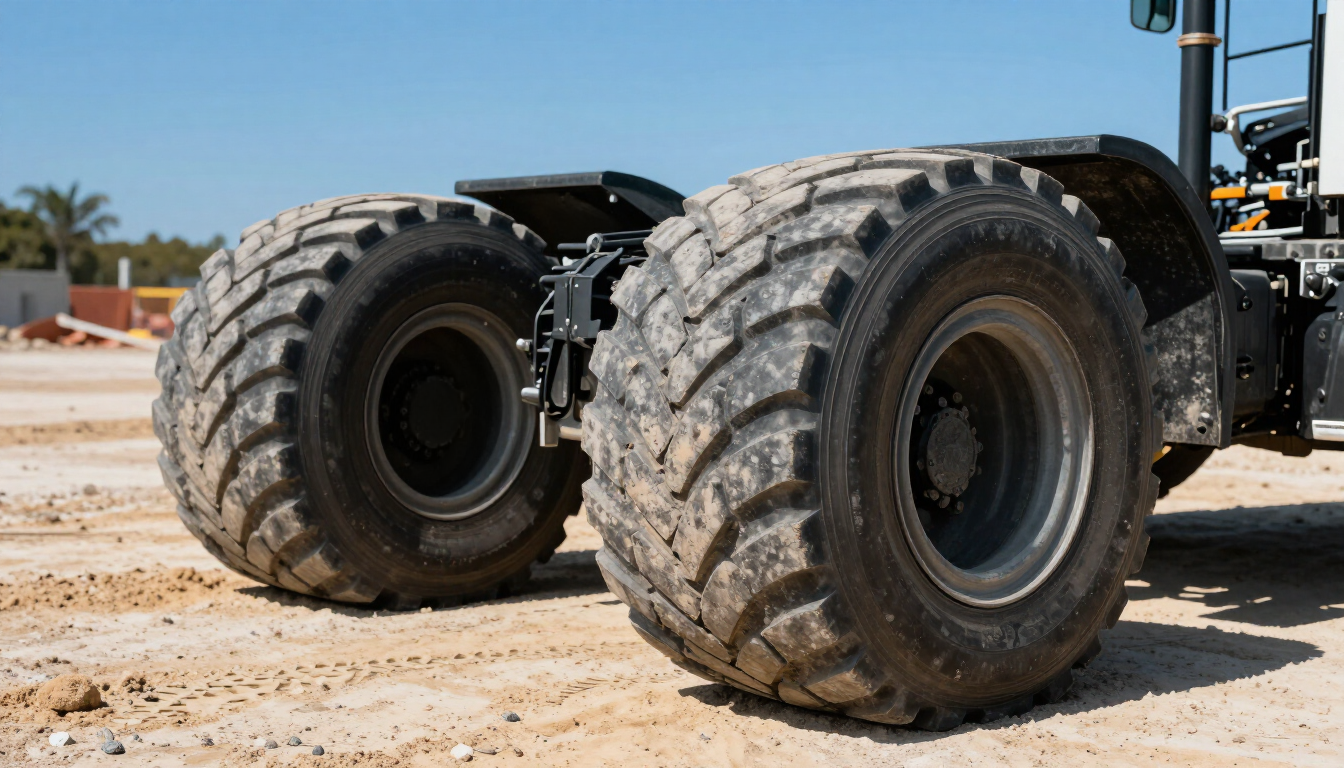
Tires are the foundation of your vehicle, and in Florida, the pavement temperature can reach blistering levels. This heat causes rubber to expand and wear faster. When you start your walkaround, you should focus on these five tire-related areas:
- Tread Depth and Even Wear: Look for "cupping" or uneven wear patterns that suggest alignment issues.
- Sidewall Integrity: Check for bulges, cuts, or deep scrapes from curbing.
- Missing Lug Nuts: Look for rust streaks coming from a lug nut, which usually indicates it is loose.
- Valve Stems: Ensure caps are present and stems aren't bent or leaking.
- Foreign Objects: Check between duals for rocks or debris that could cause a blowout.
How do I spot a fluid leak before it becomes a breakdown?
Fluids are the lifeblood of your MEDIUM DUTY TRUCK SERVICE . When you walk up to your truck in the morning, the very first thing you should do is look at the ground. Identifying a leak early can save an engine or a transmission.
Different colors mean different things. A bright green or orange puddle is likely coolant, which could lead to OVERHEATING . A dark, thick brown or black puddle is engine oil. If you see a reddish fluid, that is usually transmission or power steering fluid. If you spot a clear, oily fluid, it might be diesel fuel from the FUEL SERVICE system.
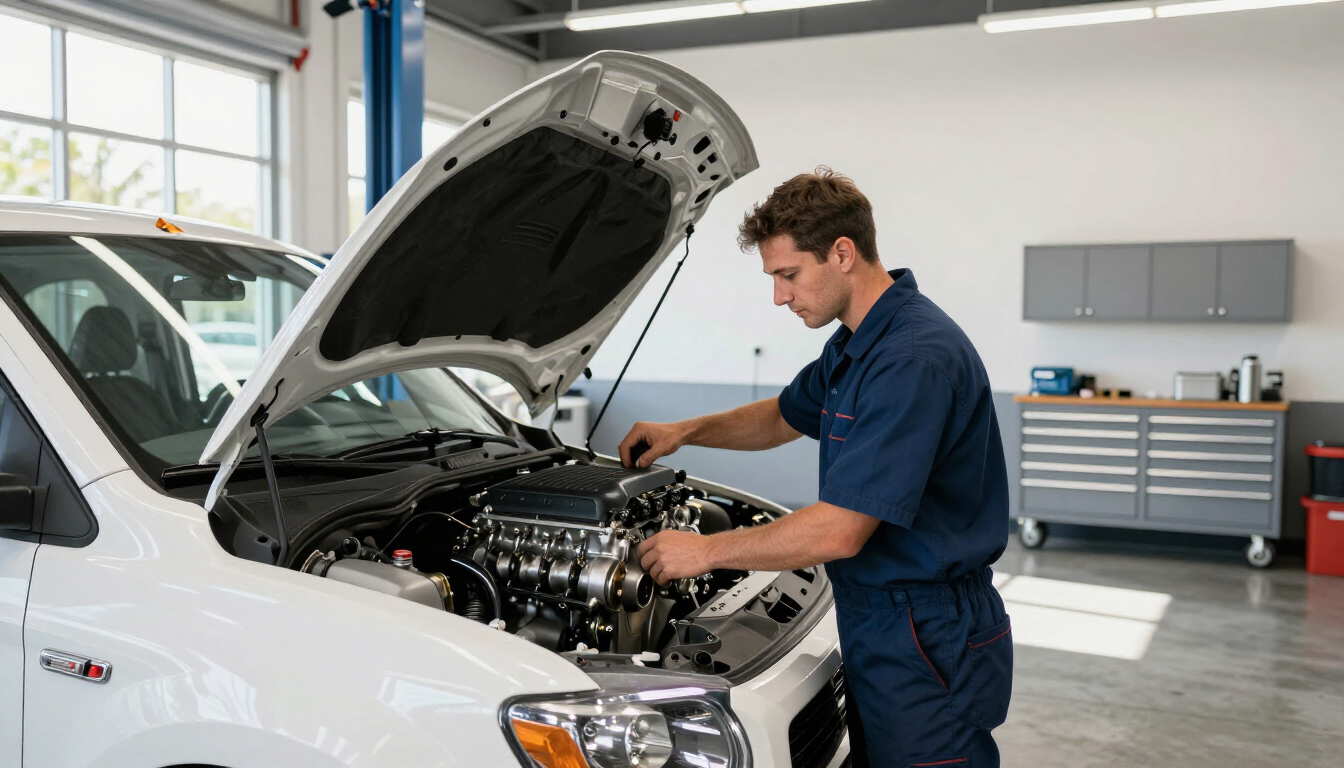
Beyond just looking at the ground, check the engine compartment for:
- Wet spots on hoses: Moisture around a fitting means a leak is starting.
- Spray patterns: Look for dried fluid spray on the underside of the hood.
- Low reservoir levels: If you’re topping off every few days, there is a leak somewhere.
- Sweet smells: The smell of syrup usually indicates a coolant leak.
- Burnt smells: Acrid smells often mean oil is dripping onto a hot exhaust.
Identifying Lighting and Visibility Issues
In Florida, we get those sudden, blinding afternoon downpours. If your lamps aren't working, you become invisible. Your commercial truck walkaround guide must include a full check of every exterior light. Don't just check if they are on; check if they are clear. Sun-faded lenses can reduce light output by 50% or more. Make sure your BATTERY & ELECTRIC systems are supporting these components properly.
Check your high and low beams, turn signals, and especially your brake lights. If you are driving solo, use the reflection of a building or another trailer to check your rear lamps. Also, inspect your mirrors for cracks or vibration. A loose mirror might seem minor, but it can create a massive blind spot when you're merging through heavy TAMPA, FL traffic.
Testing the "Feel" of Your Brakes and Suspension
You don’t need to be a mechanic to know when your BRAKE SERVICE needs attention. During your initial movement out of the yard, pay close attention to how the pedal feels. Is it spongy? Does it sink to the floor? Does the truck pull to one side when you apply pressure? These are all signs of a developing issue that requires a professional DIAGNOSTICS check.
While you are walking around, take a quick peek at the SUSPENSIONS . Look for cracked leaf springs or leaking shock absorbers. A leaking shock will look wet and covered in road grime. If the truck is sitting slightly tilted to one side, that’s a major red flag that something in the suspension has failed. This affects your braking distance and how the truck handles in a curve.
Listening for Trouble: Sounds That Mean Stop
Sometimes your eyes miss what your ears catch. A professional driver uses all their senses. During your commercial truck walkaround guide routine, keep the radio off for the first few miles. Listen for:
- Squealing or Chirping: Often a sign of worn BELTS, HOSES & FILTERS .
- Hissing: Usually indicates an air leak in the brake or intake system.
- Grinding: This is often metal-on-metal contact in the brakes or bearings.
- Rhythmic Thumping: This points to a flat spot on a tire or a tire delaminating.
- Heavy Knocking: This is a serious engine or TRANSMISSIONS sound that requires immediate attention.
If you hear any of these, don't try to "power through" your shift. In our experience at our FORT LAUDERDALE, FL facility, a driver who stops when they hear a new sound usually pays for a small repair. The driver who ignores it usually pays for a new engine.
When should I immediately stop driving and call for service?
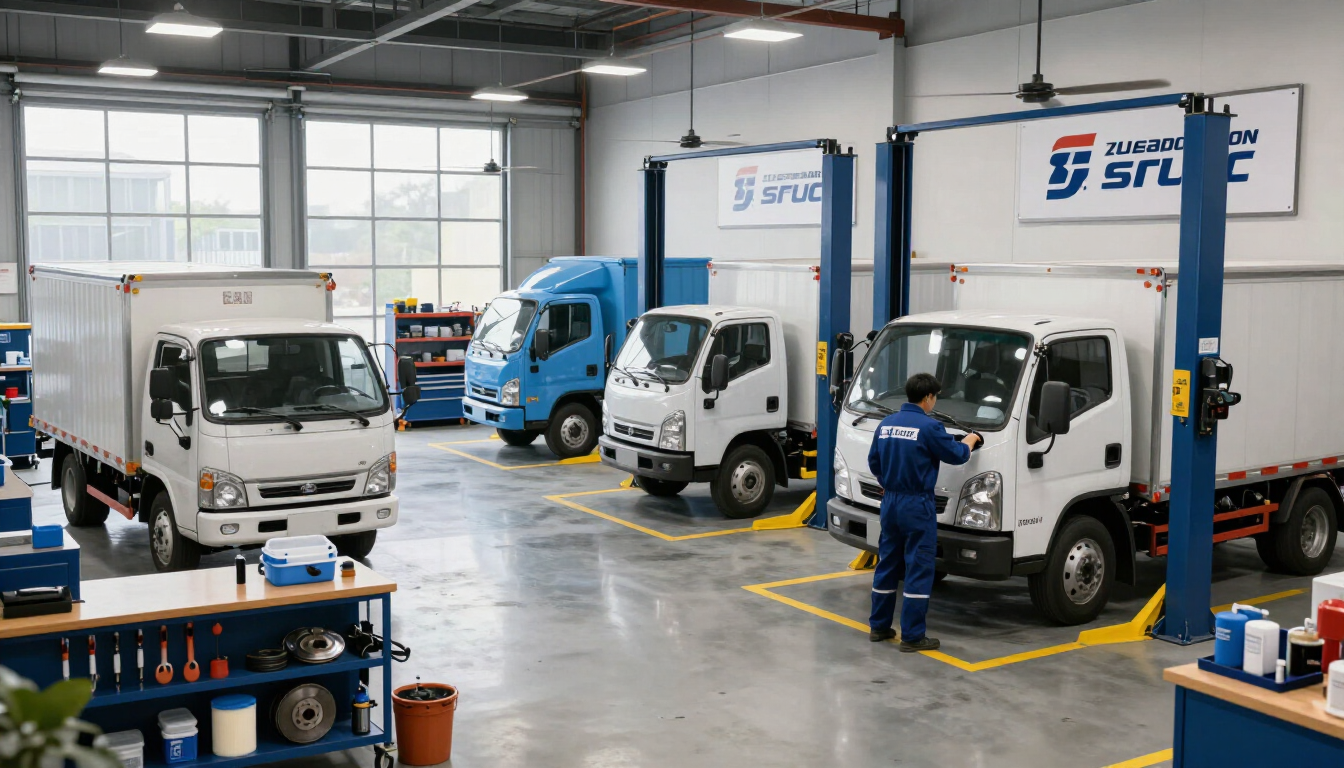
Safety is non-negotiable. There are certain things you will find during your walkaround that mean the truck stays parked. Driving a compromised vehicle isn't just dangerous; it's a liability for you and your company. If you encounter any of the following, call for a mobile technician or head straight to our FLEET SERVICES department:
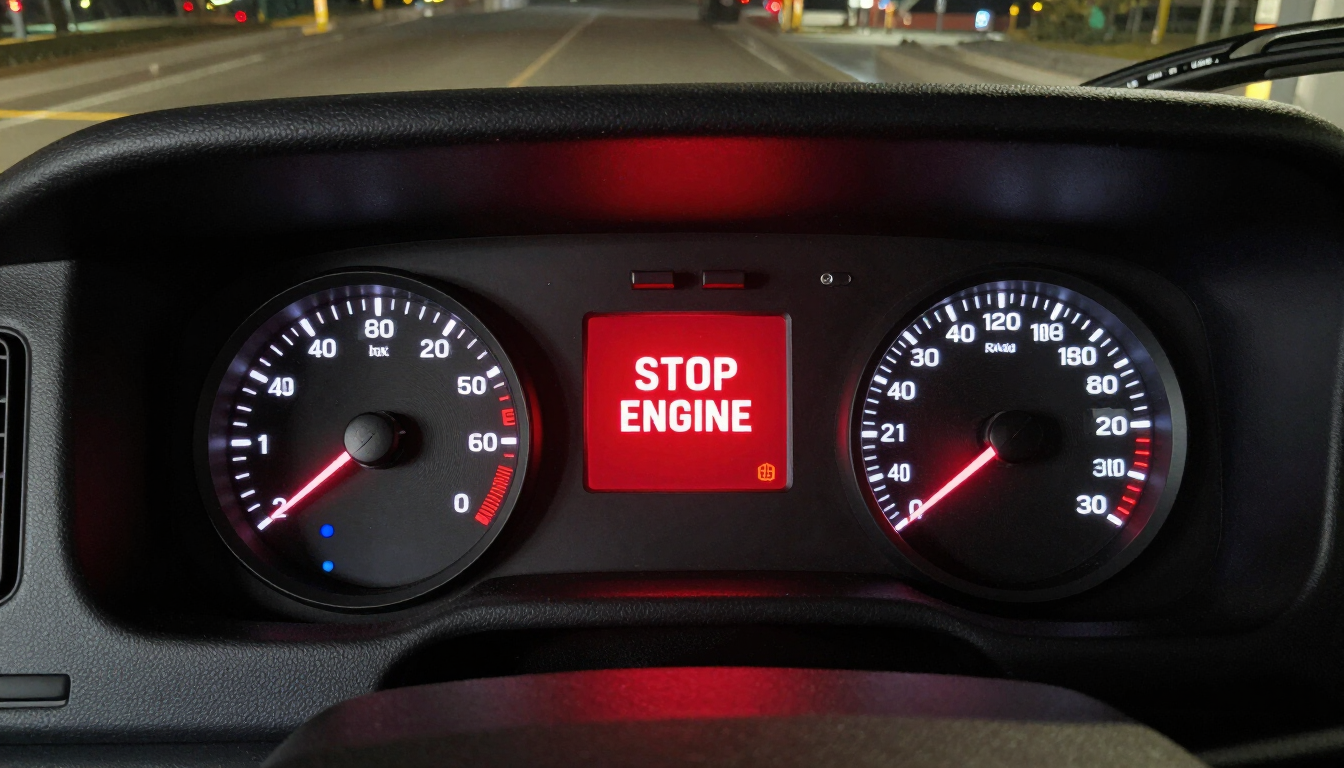
- Red Warning Lamps: If a dashboard light is red, it means "Stop Now." This is different from yellow or amber lights, which are usually cautionary.
- Brake Issues: Any loss of air pressure or a soft hydraulic pedal means the truck is unsafe.
- Active Fluid Leaks: A steady drip or a puddle that forms while you watch is an emergency.
- Tire Cords Showing: If you see wire or fabric in the tire tread, a blowout is imminent.
- Steering Play: If you have to turn the wheel significantly before the tires move, do not drive.
How to describe symptoms so the shop fixes it right
When you call us or bring the truck into one of our shops, the more detail you give, the faster we can get you back on the road. Instead of saying "it makes a noise," try to be specific. Tell us when it happens. Does it happen when you’re accelerating? Only when you’re braking? Does it happen more when the truck is cold or after you’ve been on the highway for an hour?
Describing the "where" is also helpful. Does the vibration feel like it's coming from under your seat or from the front end? Does the smell come from the vents or from outside the cab? Providing these clues helps our technicians narrow down the ENGINE SERVICE or mechanical needs quickly, saving you money on labor hours and reducing your downtime.
Final Takeaways for Your Daily Routine
A daily commercial truck walkaround guide is the most effective tool a driver has for ensuring a safe and productive day. By taking ten minutes every morning to inspect your tires, check for leaks, and test your lights, you prevent small issues from becoming catastrophic failures. Remember, if you see red warning lights, feel brake inconsistencies, or spot active leaks, stop driving immediately and call for professional help. Keeping your vehicle in top shape is a partnership between you and your maintenance team.
- Consistency is Key: Do your walkaround the same way every time so you don't skip steps.
- Trust Your Gut: If the truck feels "off," it probably is.
- Document Everything: Keeping a log of small changes helps technicians spot trends.
- Stay Safe: Always perform your walkaround in a well-lit, safe area away from moving traffic.
- Communicate: A detailed description of symptoms ensures a first-time fix at the shop.