
DEF Handling and Contamination

Diesel Exhaust Fluid (DEF) is a non-hazardous solution made of 32.5% high-purity urea and 67.5% deionized water. It is injected into the exhaust stream of diesel engines equipped with Selective Catalytic Reduction (SCR) technology to break down harmful nitrogen oxide (NOx) emissions into harmless nitrogen and water vapor.

What is Diesel Exhaust Fluid and Why Is It Vital for Your Fleet?

If you are running a fleet of medium-duty trucks in the Tampa, FL area, you are likely very familiar with the blue cap next to your diesel fuel fill. That is your Diesel Exhaust Fluid (DEF) tank. As an ASE Certified technician with over 20 years of experience working on diesel engines, I have seen how this simple fluid can become one of the biggest headaches for fleet managers if it isn't handled correctly.

DEF is not a fuel additive; it never touches the engine itself. Instead, it works within the aftertreatment system. When your truck is running, the engine’s computer monitors the exhaust. It sprays a precise amount of DEF into the exhaust pipe, just upstream of the SCR catalyst. The heat of the exhaust turns the urea into ammonia, which then reacts with the NOx gases inside the catalyst. The result is a much cleaner tailpipe output. For fleets, keeping this system happy is the difference between a productive day on the road and a truck sitting in 'limp mode' at the shop.

Properly maintaining your MEDIUM DUTY TRUCK SERVICE schedule includes checking the health of this system. Because modern trucks are programmed to reduce power—and eventually crawl to a halt—if the DEF system detects a fault or an empty tank, understanding the chemistry and handling of this fluid is essential for uptime.

DEF fill on a medium duty truck

Why Does Florida Heat Cause Problems for DEF?

One of the biggest challenges we face in South and Central Florida is the heat. While DEF is relatively stable, it has a definite shelf life that is dictated almost entirely by temperature. In a perfect world, DEF is stored at a constant 77°F, giving it a shelf life of about 12 months. However, as anyone managing FLEET SERVICES in Tampa knows, 77°F is a cool winter day for us.

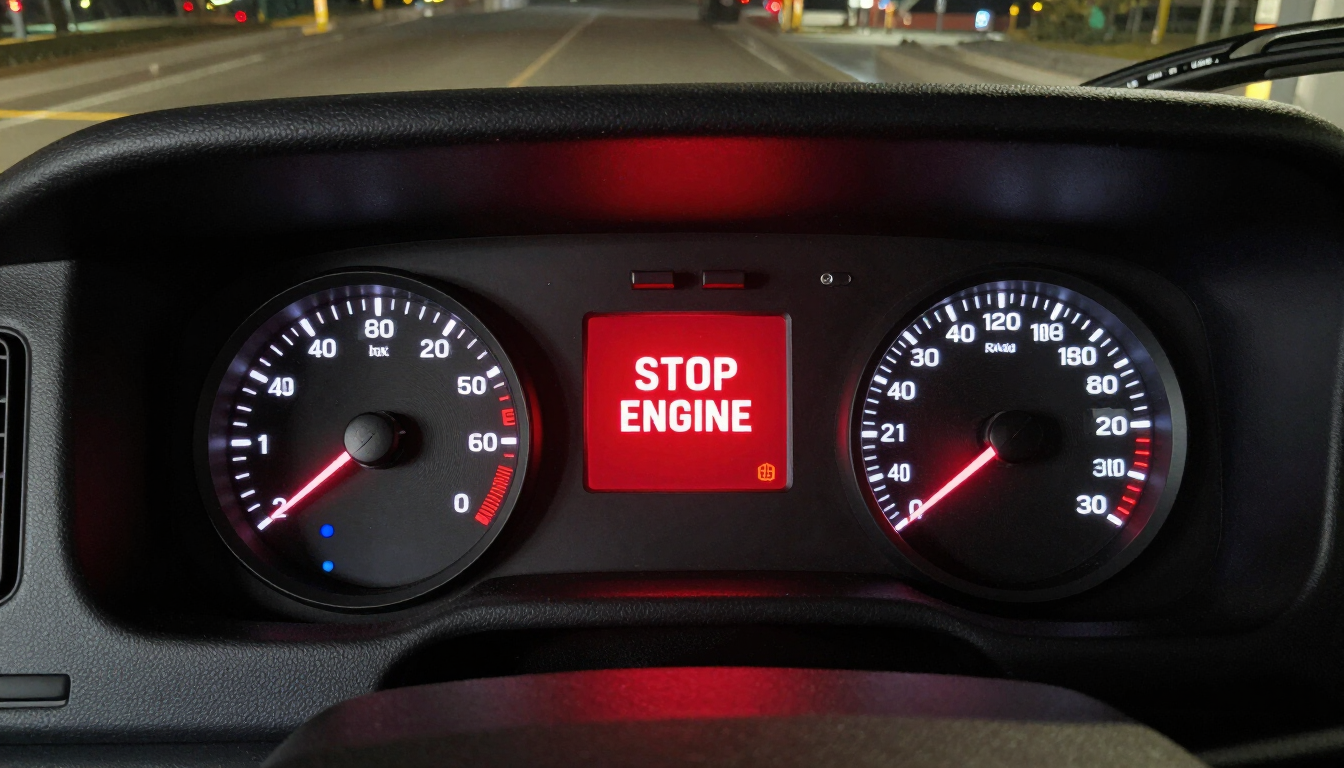
When DEF is exposed to temperatures consistently above 86°F, the urea begins to decompose. This decomposition releases ammonia gas, which can cause the pressure inside the storage container to rise and, more importantly, reduces the concentration of the urea in the fluid. If the concentration drops below the required 32.5%, your truck’s sensors will detect that the fluid is no longer performing its job efficiently. This often triggers a 'Poor DEF Quality' light on the dashboard.

How Does Heat Exposure Lead to Mechanical Failure?

  • Crystallization: When the water in the DEF evaporates due to heat or exposure to air, the urea returns to a solid, crystal form. These white, crunchy crystals can clog the DEF injector, the pump, and the lines.
  • Sensor Faults: Degraded fluid doesn't react correctly in the SCR catalyst. The NOx sensors will report high emissions levels, leading the computer to believe there is a mechanical failure in the aftertreatment system.
  • Pump Wear: If the fluid has begun to crystallize or thicken, it puts extra strain on the DEF pump, leading to premature motor failure.

In our Florida climate, DEF tanks sitting in the sun can easily reach temperatures well over 100°F. This is why we emphasize PREVENTATIVE MAINTENANCE that includes testing the urea concentration with a refractometer. If the fluid is 'cooked,' it needs to be drained and replaced before it wreaks havoc on your expensive SCR components.

What Happens if My DEF Gets Contaminated?

Contamination is the silent killer of diesel aftertreatment systems. The SCR catalyst is packed with rare metals that are extremely sensitive. Even a microscopic amount of the wrong substance can 'poison' the catalyst, requiring a replacement that can cost thousands of dollars.

Common contaminants we see in the shop include:

  • Dust and Dirt: Tampa is a hub for construction and logistics. Dust getting into the DEF fill neck during refueling is a major cause of pump failure.
  • Tap Water: Never, ever top off a DEF tank with water. The minerals in tap water (like calcium and magnesium) will permanently coat the catalyst, rendering it useless.
  • Diesel Fuel: It only takes a few drops of diesel fuel in the DEF tank to ruin the seals in the entire system. Because diesel is an oil and DEF is water-based, they don't mix, and the diesel will quickly swell the rubber components in the DEF pump.

If you suspect contamination, do not start the engine. Call for DIAGNOSTICS immediately. It is much cheaper to drain a tank than to replace the entire aftertreatment string.

How Should Florida Fleets Store Diesel Exhaust Fluid?

If you manage a shop or a yard, how you store your DEF is just as important as how you store your fuel. Many fleets buy DEF in 55-gallon drums or 275-gallon totes to save money. While this is efficient, improper storage in the Florida sun will ruin your investment before it ever reaches a truck.

To ensure your DEF stays fresh and effective, follow these handling rules:

  1. Avoid Direct Sunlight: UV rays accelerate the decomposition of urea. Always store totes and drums under a roof or inside a temperature-controlled environment.
  2. Keep it Sealed: DEF is a magnet for moisture from the air, and it also evaporates easily. Keep the bungs and caps tight until the moment you are ready to dispense.
  3. Dedicated Equipment: Never use a funnel or a transfer pump that has been used for oil, coolant, or diesel. Even a residue of these fluids will contaminate the DEF.
  4. Rotate Your Stock: Use the 'First In, First Out' (FIFO) method. Don't let a tote sit in the corner of the yard for six months while you use newer deliveries.
  5. Clean the Fill Area: Before opening the blue cap on the truck, wipe the area down with a clean, lint-free cloth to ensure no grit falls into the tank.
Clean shop bay

Best Practices for Handling DEF in the Shop

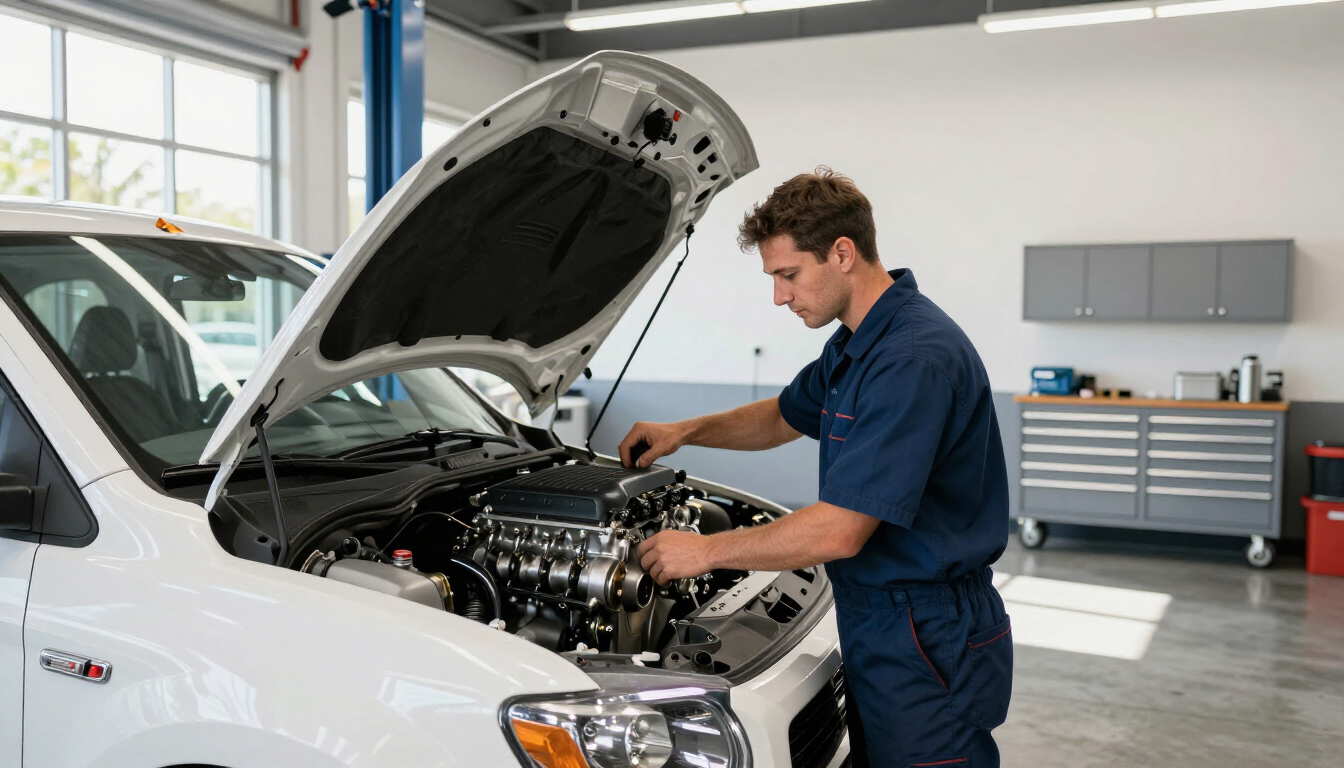
When we perform AUTO REPAIRS at Professional Fleet Maintenance, we treat DEF with the same level of cleanliness as a surgeon treats a sterile field. If we are performing a FUEL SERVICE or an OIL CHANGES , we always take a moment to inspect the DEF tank area for signs of 'white creeping'—those white salt-like deposits that indicate a leak or evaporation issue.

One tip for drivers: avoid 'clicking' the nozzle multiple times when filling the DEF tank. Overfilling can lead to fluid entering the venting system. In our humid Florida air, that excess fluid will quickly crystallize in the vent lines, leading to a vacuum issue that can cause the DEF pump to work harder or even cause the tank to collapse or crack.

If your truck has been sitting for an extended period—say, a backup delivery van that only runs once a month—the DEF in the tank can settle or degrade. In these cases, it’s worth having an ASE-CERTIFIED technician check the fluid quality before putting the vehicle back into heavy service. We often find that these 'occasional' trucks are the ones with the most aftertreatment issues because the fluid simply times out in the heat.

Protecting Your Diesel Aftertreatment System: The Bottom Line

Managing a diesel fleet in Tampa Bay requires a proactive approach to fluid chemistry. Diesel Exhaust Fluid is a critical component of your truck's operation, and while it seems simple, the Florida environment is its natural enemy. By protecting your fluid from heat and ensuring your team follows strict cleanliness protocols during refills, you can avoid the most common (and expensive) SCR system failures.

To summarize what every Florida fleet manager should keep in mind:

  • Heat kills DEF: Store it in the shade and monitor its age during the summer months.
  • Purity is paramount: Small amounts of dust or oil can cause a total system shutdown.
  • Crystals are a warning: If you see white buildup around the filler neck or injectors, you have an evaporation or leak problem that needs attention.
  • Don't ignore the lights: A DEF quality warning is the truck's way of preventing a much more expensive repair down the road.

If you’re seeing frequent 'Check Aftertreatment' lights or your trucks are consuming more DEF than usual, it’s time for a professional look. At Professional Fleet Maintenance, we specialize in keeping your medium-duty trucks on the road and out of the shop. Whether you need a routine inspection or complex DIAGNOSTICS , we have the tools and the 20+ years of experience to get it done right.

Ready to get your fleet's maintenance on track? CONTACT us today or visit our TAMPA, FL location to schedule a consultation with our expert team.

Mobile fleet service van parked next to a line of commercial trucks in Florida.
August 3, 2026
Learn how to safely get your commercial fleet back on the road after a hurricane with professional post-storm inspection tips from ASE Certified technicians.
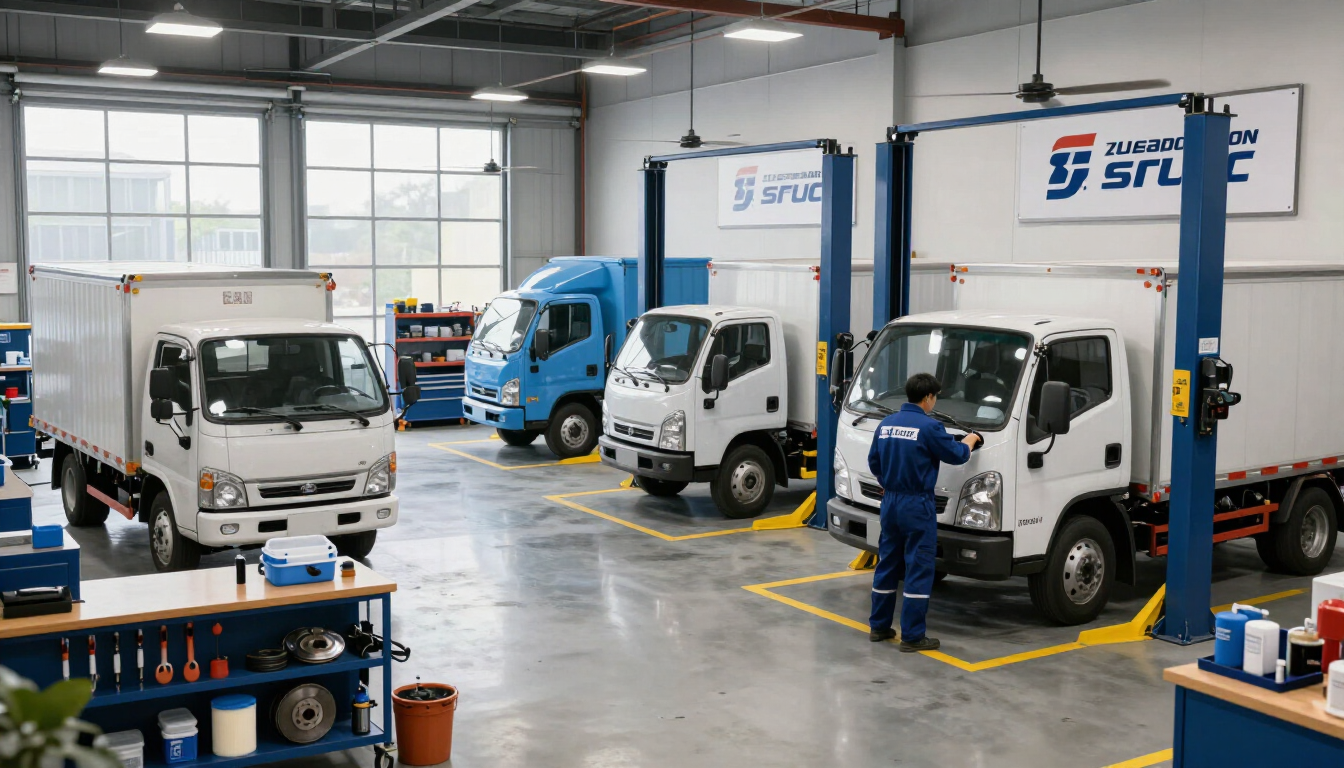
Medium duty trucks inside a professional fleet service shop bay.
July 27, 2026
Simplify your truck repair billing with a cbCharge fleet account. Get one monthly invoice, 30-day terms, and a secure online portal at our Florida shops.

ASE Certified technician testing commercial truck batteries in a Florida shop bay.
July 20, 2026
Learn why Florida heat is the #1 killer of commercial truck batteries. Discover warning signs and professional testing methods from an ASE-certified technician to avoid breakdowns.
Professional truck driver performing walkaround inspection on a medium duty truck.
July 13, 2026
Master your daily routine with our commercial truck walkaround guide. ASE Certified tips on tires, brakes, and leaks for Florida drivers from Professional Fleet Maintenance.
Technician inspecting truck cooling system in Fort Lauderdale shop bay
June 29, 2026
Ensure your medium-duty truck survives the intense Florida summer heat. Explore 5 essential cooling system checks recommended by ASE Certified technicians in Fort Lauderdale to prevent overheating and costly downtime.
Medium duty box truck in heavy Florida traffic illustrating DPF challenges.
June 22, 2026
Learn why short routes in Tampa and Miami cause DPF issues. ASE certified tech advice on diesel regeneration, soot buildup, and professional aftertreatment diagnostics for Florida fleets.
By VIV Builder June 15, 2026
Use this commercial vehicle maintenance checklist for Florida fleets, covering fluids, tires, brakes, batteries, cooling, and more to reduce downtime and keep vehicles road-ready.
ASE Technician inspecting medium duty truck
June 8, 2026
Expert ASE-certified tips for commercial fleet hurricane season readiness in South Florida. Covering maintenance, staging, and post-storm recovery.
By VIV Builder May 25, 2026
Compare on-site fleet maintenance vs. shop repairs to find the best option for your business, balancing convenience, diagnostics, downtime, and fleet size.
By VIV Builder May 11, 2026
Discover the true cost of fleet downtime and how regular preventative maintenance protects your bottom line by reducing breakdowns, controlling costs, and extending vehicle life.
Show More