
5 Ways to Prep Farm Trucks for Winter Harvest

Farm hauling trucks need a focused pre-season check before winter harvest. The most important preparation is inspecting air filtration, cooling, brakes, tires, and overall vehicle condition, then asking drivers to report warning signs early. This helps farm fleets around Plant City, Lakeland, and Bartow protect uptime during demanding harvest work.

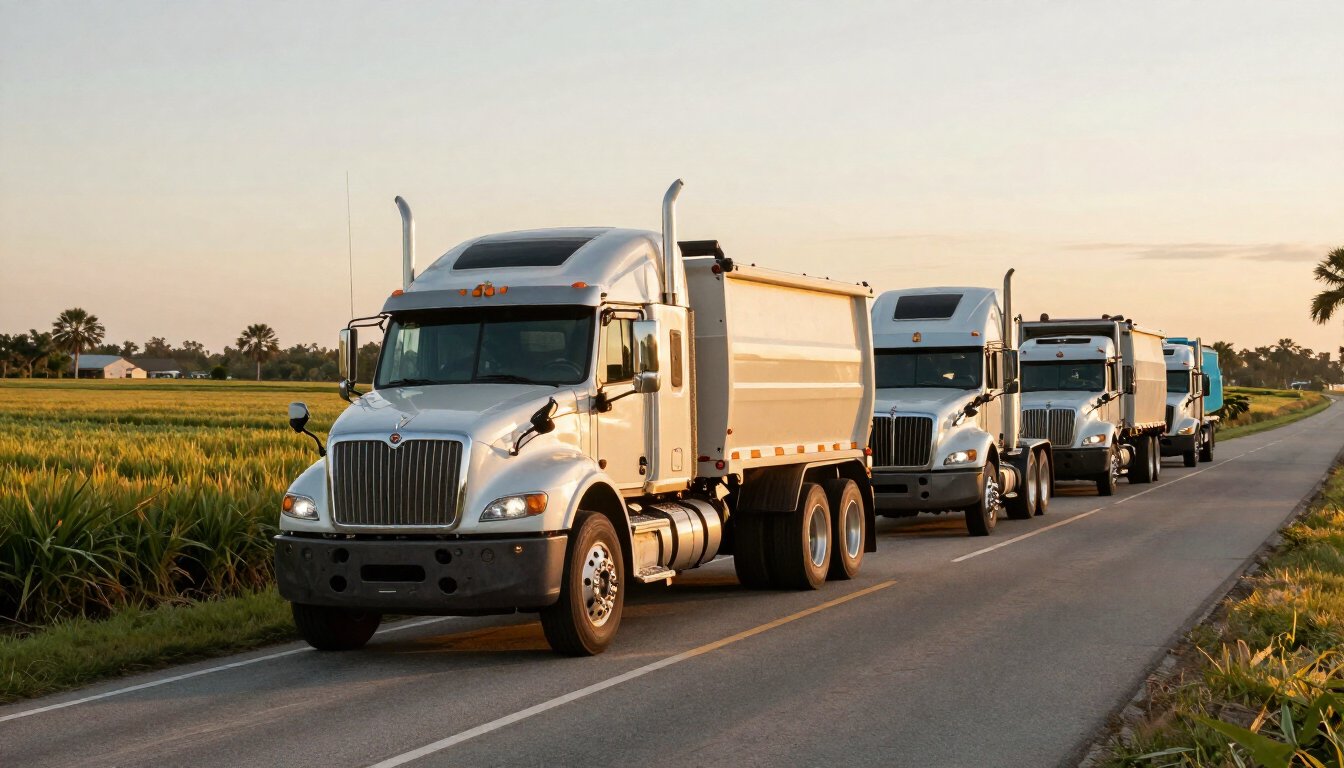
Farm hauling trucks prepared for winter harvest near Florida farm fields

Why should farm hauling trucks be checked before winter harvest?

Harvest places repeated demands on medium-duty trucks. Vehicles may make long runs, idle between loads, travel on dusty farm roads, and carry heavy equipment or produce through changing weather. A small issue that is manageable during normal work can become a missed load or a roadside breakdown when the schedule is tight.

A pre-season inspection gives your maintenance team time to identify developing problems before the fleet is fully committed. It also creates a clear starting point for tracking what each truck needs. For broader planning, review our fleet services and preventative maintenance resources.

1. Check dust exposure, air filters, and engine breathing

Farm roads can put a heavy load of dust and debris into a truck’s intake system. A restricted air filter may reduce engine performance, increase strain, and contribute to poor operation. The right inspection should consider the truck’s actual working environment rather than relying only on a calendar reminder.

Ask a qualified technician to inspect:

  • The engine air filter and housing for restriction, damage, or poor sealing
  • Intake tubing, clamps, and connections for cracks or loose fittings
  • Heavy dust buildup around the intake area and under-hood components
  • Cabin filters if visibility, airflow, or driver comfort has declined
  • Belts, hoses, and filters that may have been exposed to dust or debris

Do not wait for a dashboard warning before looking at the intake system. Drivers may notice reduced response, unusual intake noise, or changes in engine behavior first. Those observations should be recorded and reviewed during the inspection. Our belts, hoses, and filters service can help identify related maintenance needs.

2. Confirm the cooling system can handle harvest duty

Cooling problems often become more likely when a truck works hard, idles frequently, or operates around crop dust and debris. Before harvest, technicians should examine the radiator area, coolant condition, hoses, clamps, fan operation, and signs of leaks or overheating.

Look for:

  • Debris or restricted airflow across the radiator and cooling package
  • Low coolant or evidence of a leak around hoses, fittings, or the radiator
  • Soft, swollen, cracked, or chafed coolant hoses
  • A cooling fan or belt that does not operate as expected
  • Temperature behavior that has changed during loaded work or idling

The goal is not simply to top off a fluid. A cooling system concern needs to be diagnosed so the underlying cause is addressed. If a truck has recently run hot, lost coolant, or shown a temperature warning, schedule an evaluation before assigning it to demanding harvest routes. See our radiator repair and overheating service pages for more information.

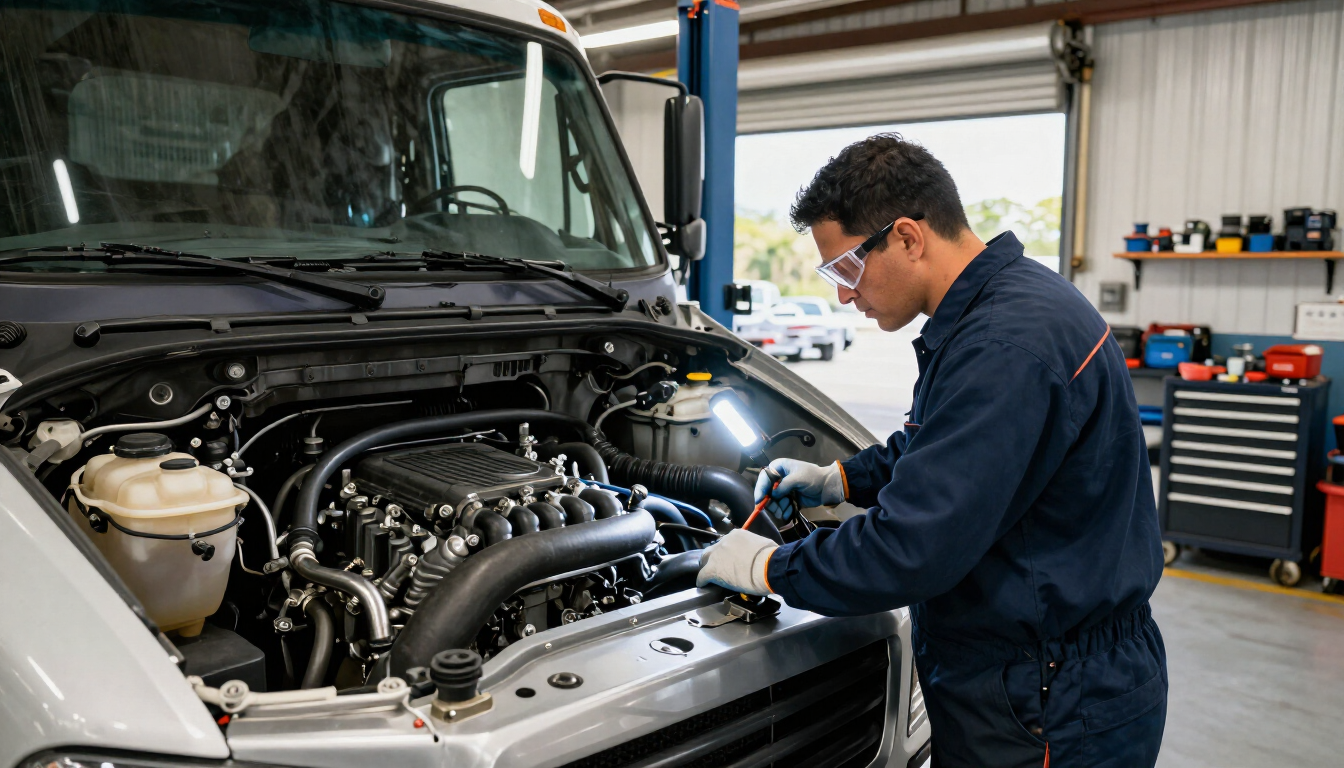
Technician inspecting a medium-duty truck cooling system in a service bay

3. How can you verify brakes before harvest begins?

Brakes deserve special attention because farm hauling can involve repeated stops, uneven surfaces, trailers, and changing loads. A technician should inspect the complete braking system and consider what the truck does every day, not just whether it currently stops during a short drive.

The inspection may include:

  • Brake lining or pad condition and evenness of wear
  • Rotors, drums, calipers, chambers, and related hardware
  • Air or hydraulic system condition, depending on the truck
  • Hoses, lines, fittings, and signs of leaks or damage
  • Parking brake operation and unusual noise, pull, or pedal feel

Drivers should report a soft pedal, increased stopping distance, vibration, pulling, grinding, or a brake warning light. These symptoms should not be ignored because the truck appears to be completing its route. Arrange brake service before the busiest part of the season.

4. Are the tires ready for farm roads and loaded trips?

Tires affect traction, handling, braking, and uptime. Farm routes can expose them to rough surfaces, sharp debris, mud, and frequent transitions between fields and paved roads. A pre-season tire check should cover the complete set, including the spare where applicable.

Have the inspection review:

  • Tread condition and irregular wear
  • Sidewalls for cuts, bulges, cracking, or impact damage
  • Inflation condition and valve areas
  • Wheel components and signs of looseness or damage
  • Whether the tire condition matches the truck’s normal routes and loads

Drivers should report vibration, pulling, a repeated low-tire warning, visible damage, or a new change in handling. A tire concern can also point to an alignment, suspension, or steering issue. If the truck feels unstable or wears tires unevenly, include suspension service in the evaluation instead of treating the tire alone.

5. Schedule a complete pre-season inspection

A focused inspection brings the separate checks together. An ASE Certified technician with experience on medium-duty trucks can evaluate the truck as a working system and prioritize repairs that could affect reliability, safety, or harvest productivity.

A useful pre-season inspection should document:

  • Vehicle identification and current operating concerns
  • Engine, cooling, intake, braking, tire, steering, and suspension condition
  • Fluid leaks, warning lights, unusual noises, and visible damage
  • Recommended repairs separated by urgency
  • Driver observations that should be monitored after service

This is also a good time to review battery and electrical operation, lighting, starting performance, and any recurring diagnostic codes. Harvest is not the ideal time to discover that a truck has been compensating for a weak battery or unresolved electrical problem. Use diagnostics or battery and electric service when those symptoms appear.

What should drivers report every day?

Drivers are often the first people to notice a developing issue. Give them a simple reporting process and make it clear that early communication protects the schedule rather than creating blame.

They should report:

  • New warning lights, temperature changes, or starting problems
  • Changes in braking, steering, handling, or acceleration
  • New leaks, smells, smoke, vibration, or unusual sounds
  • Tire damage, low pressure, or changes in ride quality
  • Any issue that appears only when the truck is loaded, hot, or idling

A short written note with the truck number, operating conditions, and symptom can help the technician reproduce the concern. “It made a noise” is useful, but “a squeal started after loading and continued while turning left” is more actionable.

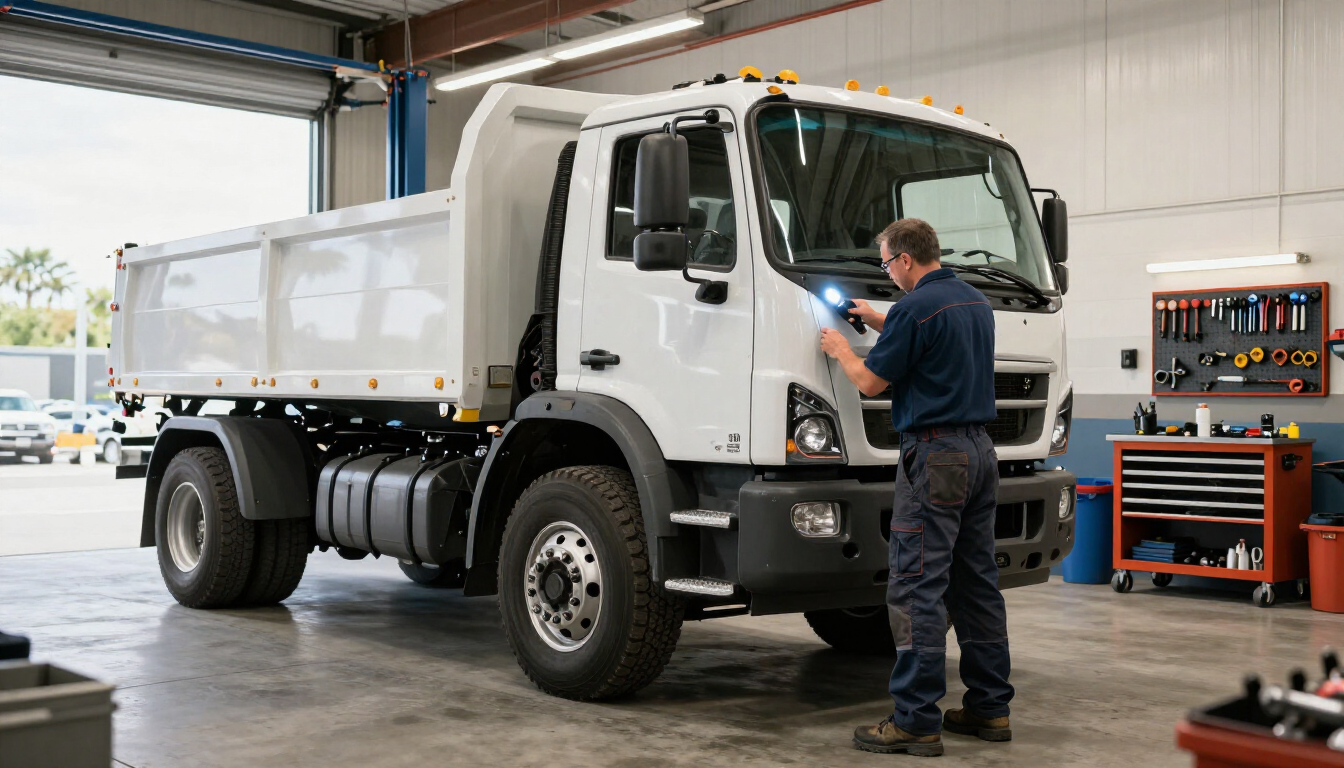
Fleet technician completing a pre-season inspection on a farm hauling truck

A practical harvest-readiness checklist

Before assigning trucks to peak winter harvest work around Plant City, Lakeland, or Bartow, confirm that each vehicle has been reviewed for:

  • Air filtration, intake components, belts, hoses, and filters
  • Radiator airflow, coolant level, hoses, leaks, and temperature behavior
  • Brake components, lines, controls, and driver-reported symptoms
  • Tire condition, inflation, sidewalls, tread, wheels, and handling
  • Open inspection findings and repairs prioritized by operating risk

When should a fleet schedule service?

Schedule the inspection before harvest demand leaves little room for repairs. Earlier planning gives your maintenance provider time to diagnose concerns, source parts, and coordinate service without taking a truck out of rotation at the worst possible moment. If a driver reports a safety-related symptom, overheating, brake concern, major tire damage, or a serious warning light, remove the vehicle from planned work until it has been evaluated.

Professional Fleet Maintenance serves South and Central Florida with truck repair and fleet maintenance support. You can schedule an appointment or contact the team through the contact page .

Key takeaways

Farm hauling trucks are more likely to stay productive through winter harvest when they receive a documented pre-season inspection. Start with dust-related air filtration, cooling, brakes, and tires, then review the truck’s complete condition with an experienced technician. Ask drivers to report changes early, especially warning lights, heat, braking, handling, leaks, noises, and loaded-truck symptoms. For fleets working around Plant City, Lakeland, and Bartow, the best next step is to identify every truck’s concerns now, prioritize needed service, and enter harvest with fewer avoidable interruptions.

Box truck in Miami-Dade traffic where DPF regen failure can develop
November 2, 2026
Learn why DPF regen failure happens on stop-and-go delivery routes in Miami-Dade, warning signs to watch, why derates require a stop, and what technicians check.

Fleet maintenance budget planning records beside medium-duty trucks
By Samantha Boylls • October 26, 2026
Planning next year's fleet maintenance budget? Pull these six records first to spot repeat failures, downtime, PM gaps, and aging medium-duty trucks.

Cab-over truck maintenance for landscaping crews in Florida
By Samantha Boylls • October 19, 2026
Practical cab-over truck maintenance for landscaping and service crews in Orlando and Kissimmee, covering heat, idling, short trips, towing, and driver checks.
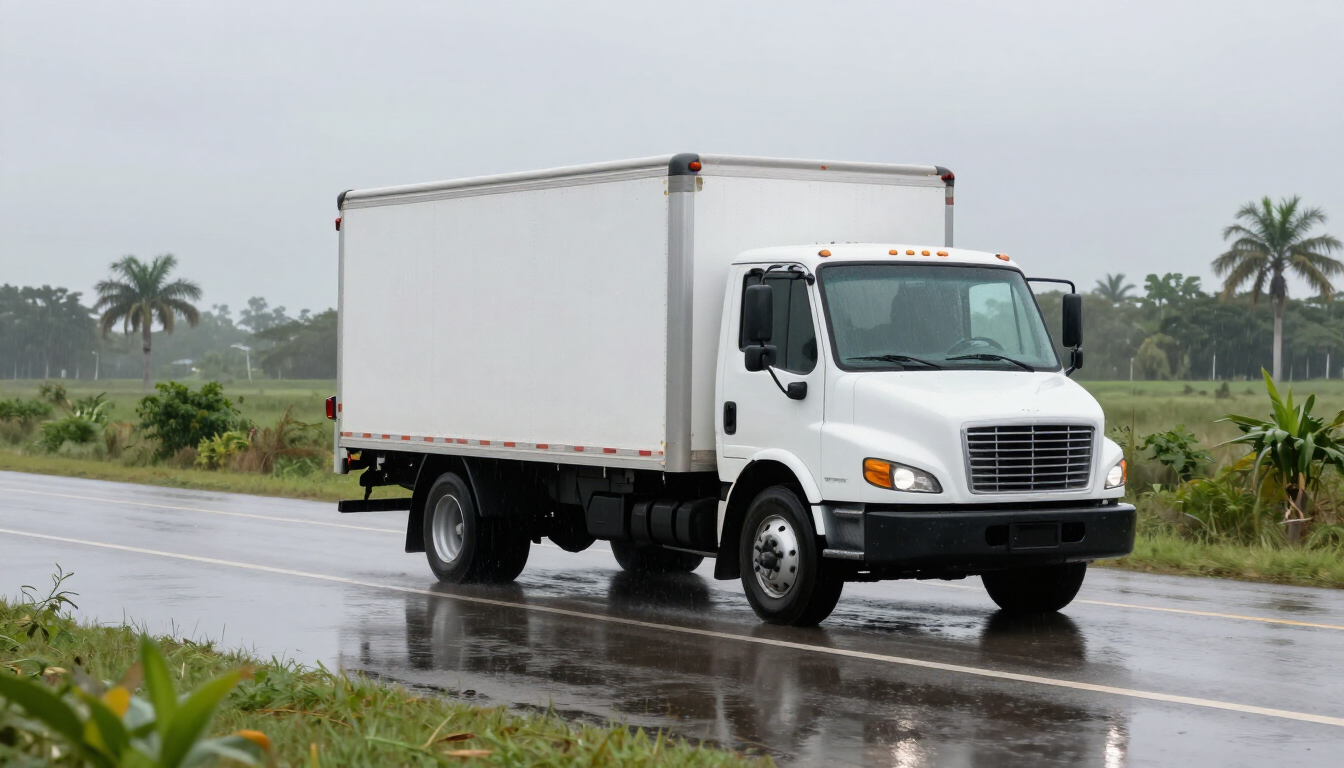
Work truck after storm flooding on a wet road
By Samantha Boylls • October 12, 2026
Learn what to do with a work truck after storm flooding. An ASE Certified technician explains what professionals inspect in Miami-Dade and Broward.
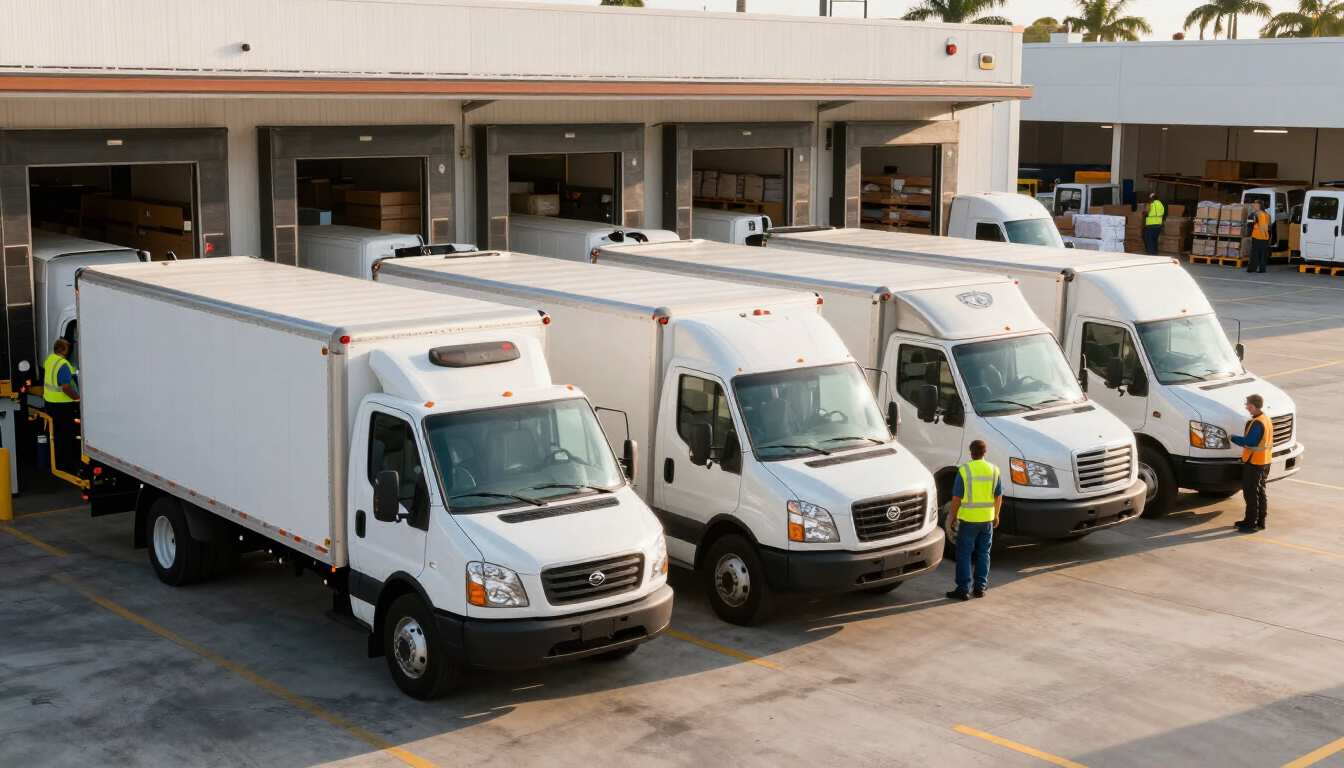
Fleet maintenance check for box trucks before holiday delivery peak
By Samantha Boylls • October 5, 2026
Prepare South Florida delivery trucks for holiday demand with five practical fleet maintenance checks.

Close up of a commercial truck dashboard with illuminated warning lights.
September 28, 2026
Learn what common commercial truck dashboard warning lamps mean from an ASE-certified tech. Know which symbols require an immediate stop to prevent engine damage.

Professional fleet maintenance service counter and billing office
September 21, 2026
Learn how a CB Charge fleet account simplifies consolidated billing for truck repairs at Professional Fleet Maintenance locations across South and Central Florida.

White delivery truck in Tampa traffic representing diesel aftertreatment challenges.
September 14, 2026
Discover why stop-and-go Tampa traffic is hard on diesel aftertreatment systems and how last-mile delivery fleets can prevent soot buildup and downtime.
Technician inspecting medium duty truck for storm readiness
September 7, 2026
An ASE-Certified guide to pre-storm fleet readiness in South Florida. Learn how to prep medium-duty trucks for Broward and Palm Beach storm seasons to ensure post-storm reliability.
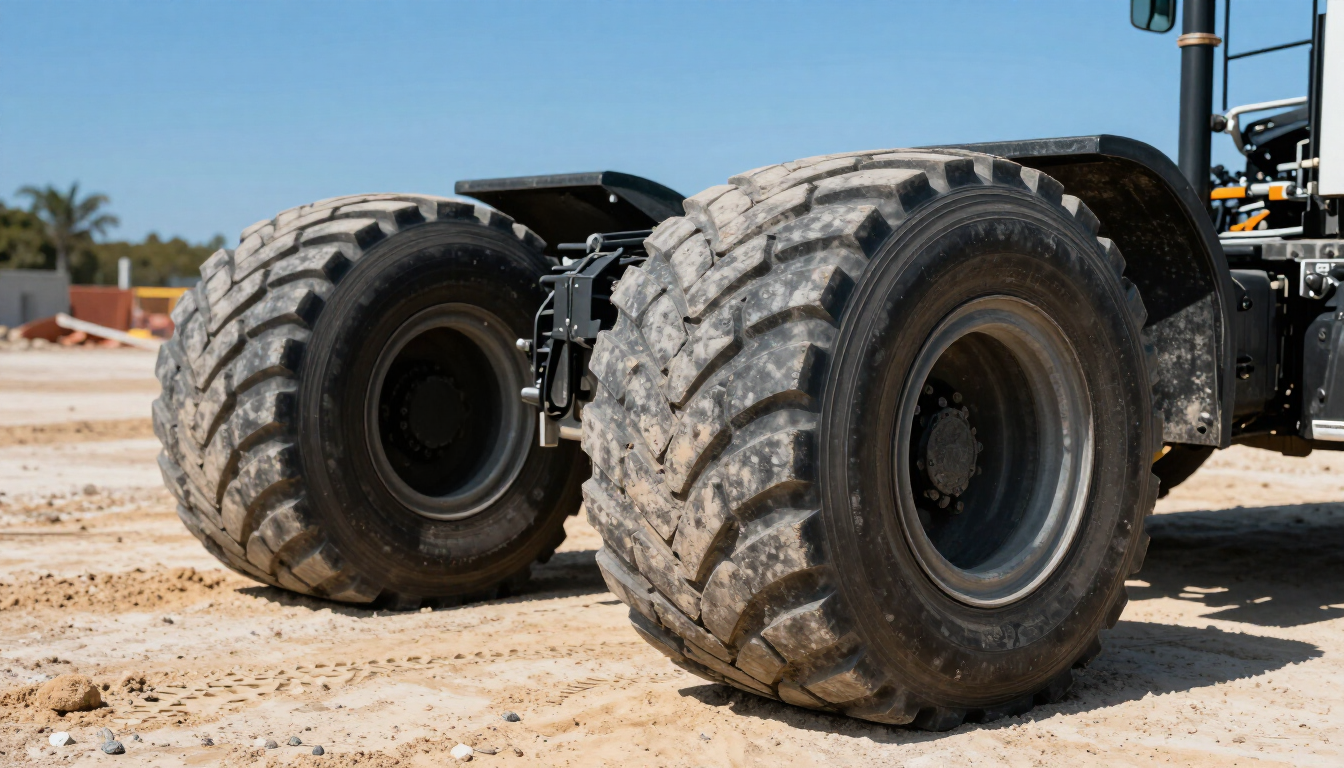
Medium duty truck tires on a Florida construction site
August 24, 2026
Expert advice on managing Florida work truck tires during summer. Avoid blowouts with pressure checks and professional maintenance in Central Florida.
Show More