
How Preventative Fleet Maintenance Helps Florida Businesses Reduce Downtime
For businesses that rely on commercial vehicles every day, downtime is one of the most expensive problems a fleet can face. Whether you manage service vans, delivery trucks, work trucks, diesel vehicles, or a mixed commercial fleet, every hour a vehicle is off the road can affect scheduling, customer service, employee productivity, and revenue. Preventative fleet maintenance is one of the best ways Florida businesses can protect their vehicles, reduce unexpected breakdowns, and keep operations moving.
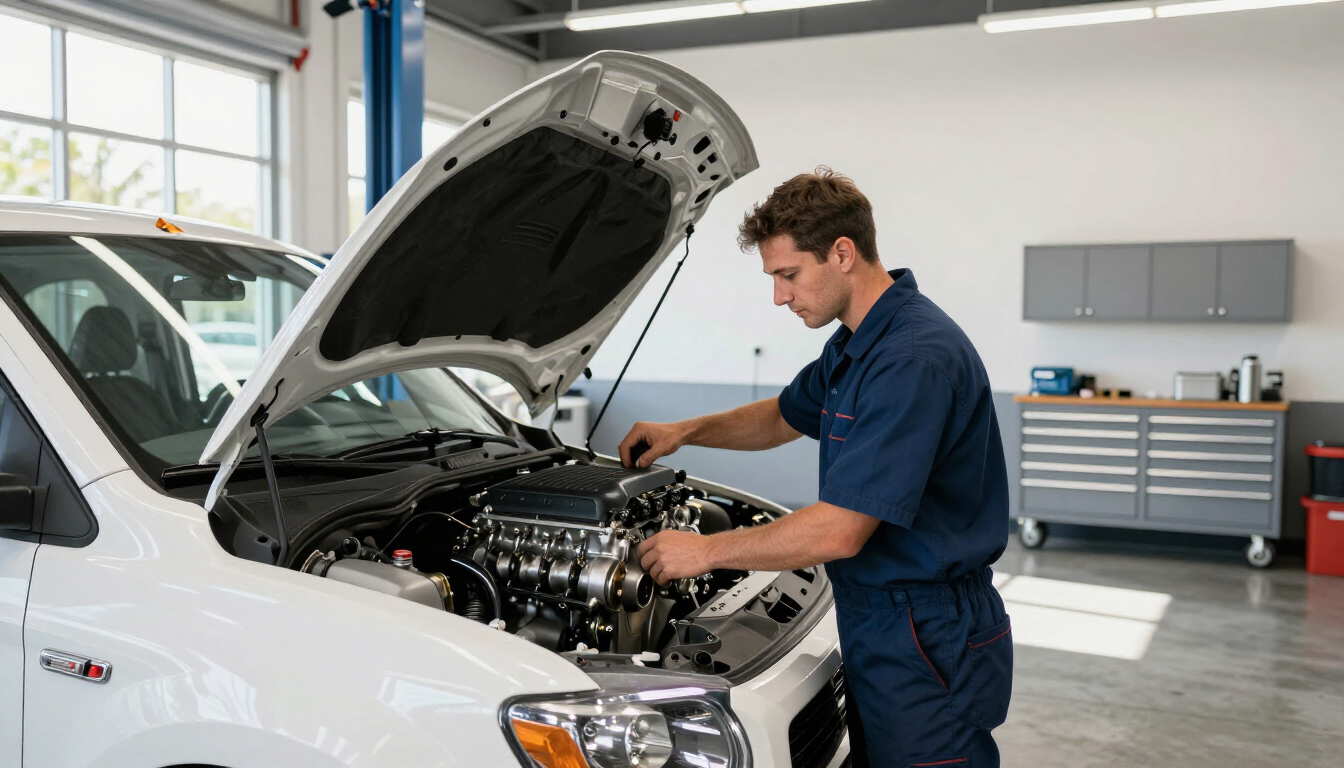
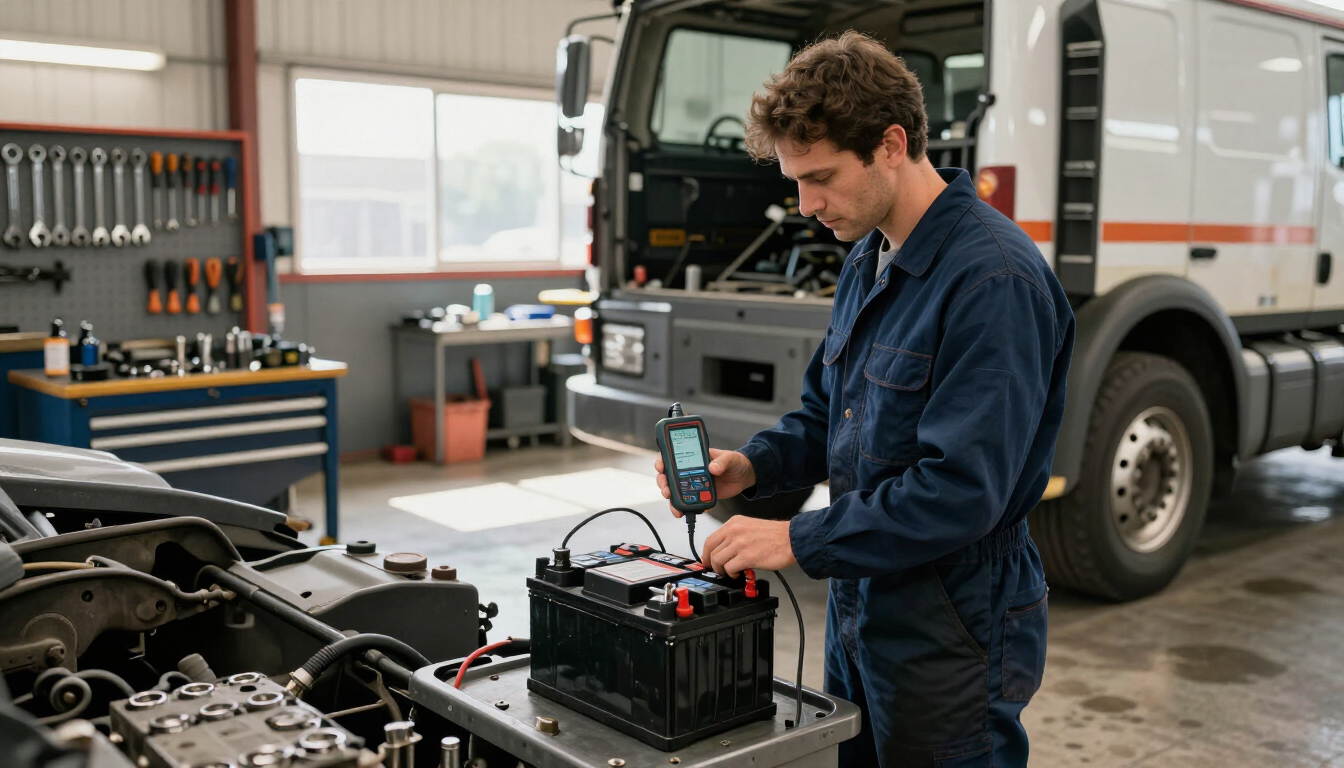
Preventative fleet maintenance is the process of inspecting, servicing, and repairing vehicles before small issues turn into major problems. Instead of waiting for a truck to break down, fleet owners can follow a regular maintenance schedule that includes oil changes, fluid checks, brake inspections, tire rotations, battery testing, filter replacements, diagnostic scans, and safety inspections. This approach helps extend the life of each vehicle while making the entire fleet more dependable.
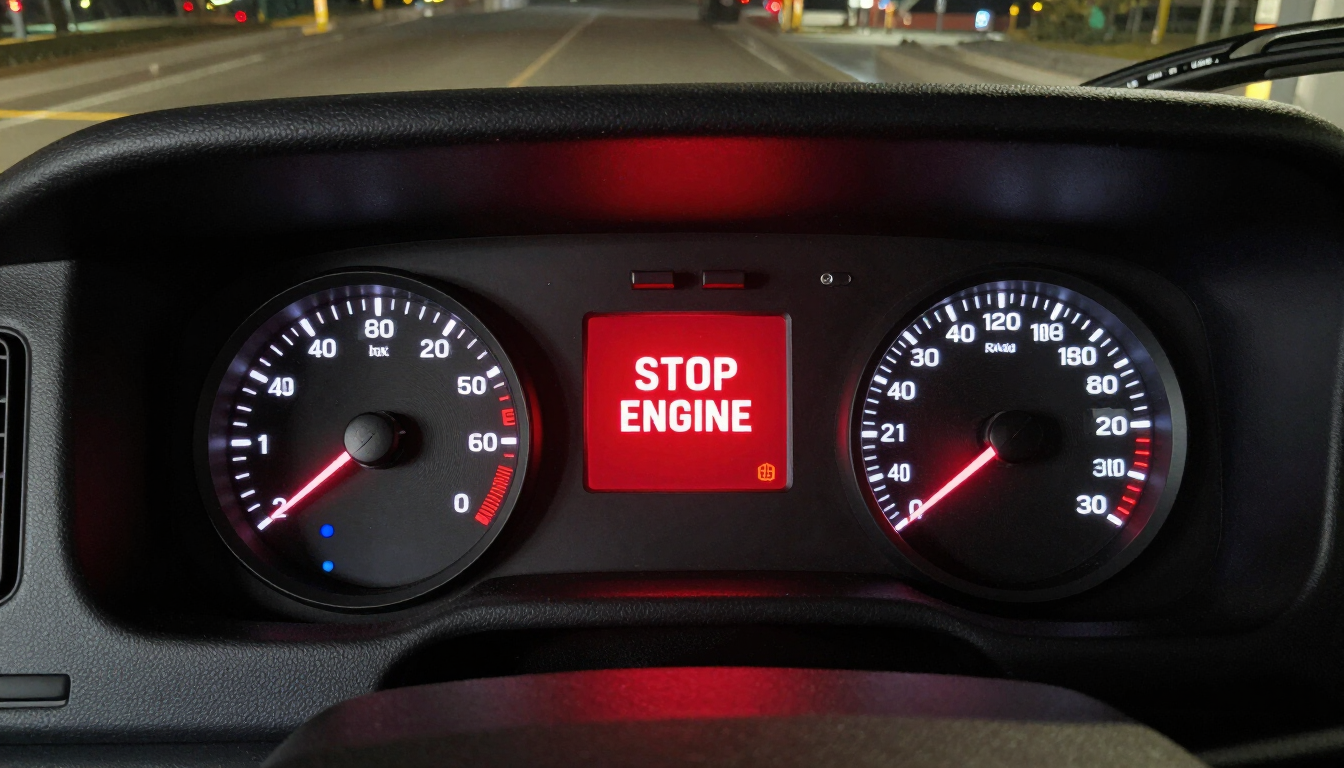
One of the biggest benefits of preventative maintenance is reducing surprise repairs. A worn belt, leaking hose, low fluid level, or weak battery may not seem like a major issue at first, but these problems can quickly lead to roadside breakdowns, engine damage, overheating, or unsafe driving conditions. When a professional technician inspects the vehicle regularly, these warning signs can often be caught early and repaired before they create a costly emergency.
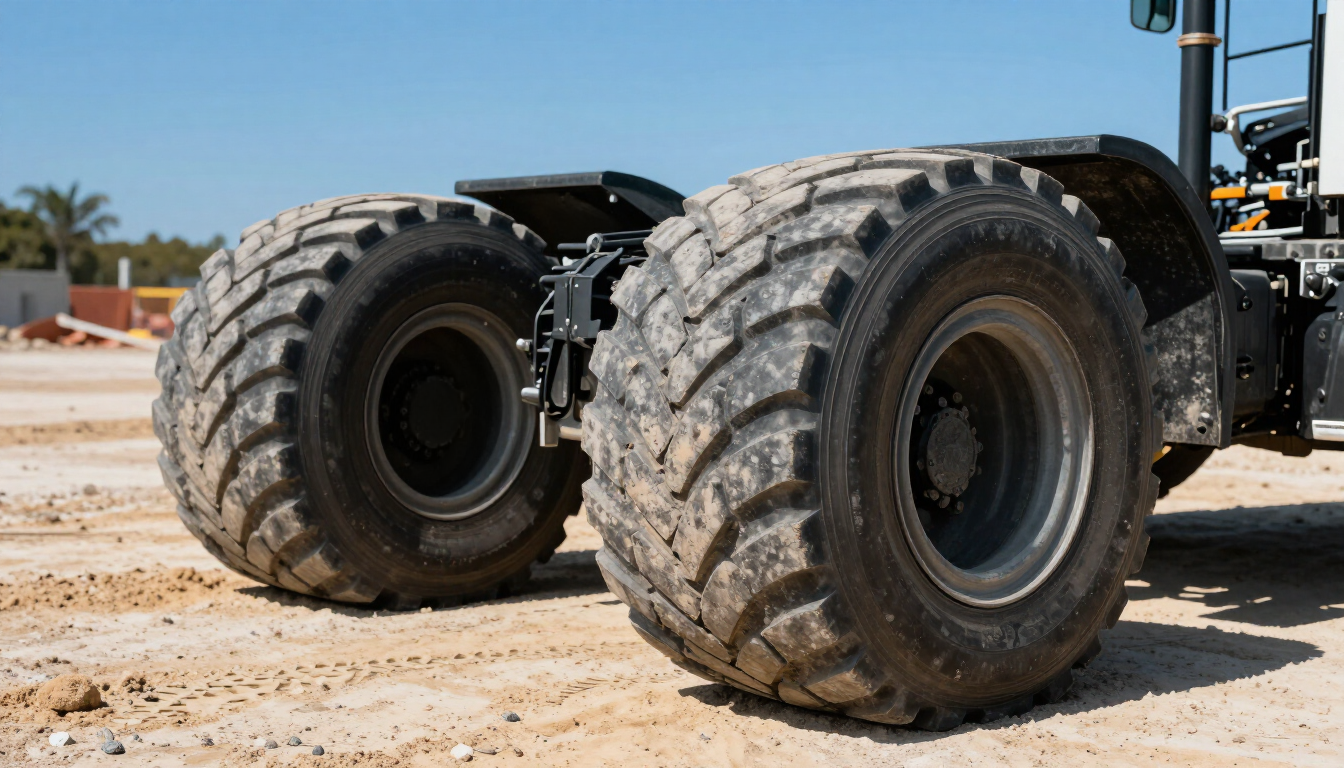
For Florida fleets, preventative maintenance is especially important because commercial vehicles deal with heat, humidity, traffic, and long driving hours. High temperatures can put extra stress on cooling systems, batteries, tires, and air conditioning systems. Stop-and-go traffic can wear down brakes faster, while long routes can increase engine and transmission strain. A fleet maintenance plan helps make sure each vehicle is prepared for the conditions it faces every day.
Regular fleet maintenance can also help improve safety. Commercial vehicles often carry tools, equipment, products, passengers, or heavy loads. If brakes, steering, suspension, tires, or lights are not properly maintained, the risk of an accident increases. Routine inspections help confirm that each vehicle is road-ready and safe for both drivers and the public.
Another advantage of preventative maintenance is better budgeting. Emergency repairs can be difficult to predict and often cost more than scheduled service. When vehicles are maintained on a regular schedule, businesses can plan maintenance expenses more easily and avoid sudden repair bills that interrupt cash flow. Preventative service may also help extend the lifespan of the fleet, allowing businesses to get more value from each vehicle before replacement becomes necessary.
Fleet maintenance also supports better fuel efficiency. Dirty filters, poor tire pressure, aging spark plugs, fluid issues, and engine performance problems can all cause a vehicle to use more fuel than necessary. For businesses operating multiple vehicles, even small improvements in fuel economy can add up over time. Keeping vehicles properly serviced helps engines run more efficiently and reduces unnecessary operating costs.
A strong preventative maintenance program should be built around the needs of the fleet. Some vehicles may need service based on mileage, while others may need maintenance based on engine hours, route type, load weight, or manufacturer recommendations. Businesses with high-use vehicles should not rely on a one-size-fits-all approach. The right maintenance partner can help create a service schedule that fits how the fleet is actually used.
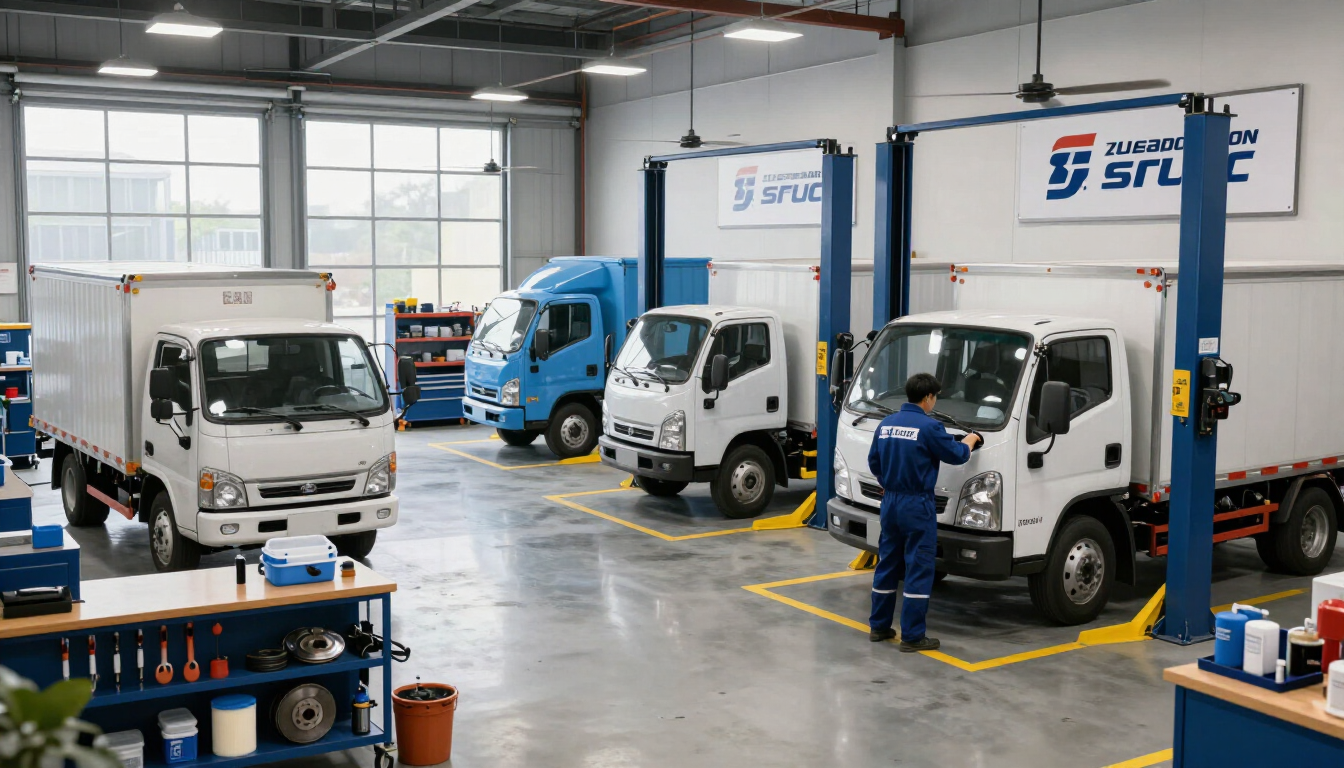
Professional Fleet Maintenance helps businesses keep their vehicles dependable with commercial fleet maintenance, inspections, diagnostics, repairs, and service designed to reduce downtime. Whether your business operates a small fleet or a large group of commercial vehicles, routine maintenance can help protect your investment and keep your team on the road.
If your vehicles are critical to your daily operations, preventative fleet maintenance should not be treated as optional. It is one of the smartest ways to improve reliability, control repair costs, protect drivers, and serve customers without interruption.