DOT Inspections for Commercial Fleets: What Florida Fleet Owners Need to Know

For businesses that operate commercial vehicles, safety and compliance are critical. Whether your company manages a small group of work trucks or a larger fleet of commercial vehicles, regular inspections help protect drivers, reduce liability, and keep vehicles road-ready. DOT inspections are an important part of that process, especially for fleet owners who want to avoid costly violations, roadside delays, and unexpected downtime.

A DOT inspection is designed to make sure commercial vehicles meet required safety standards. These inspections can review important vehicle systems such as brakes, tires, lights, steering, suspension, windshield wipers, mirrors, fuel systems, exhaust systems, emergency equipment, and overall vehicle condition. When a vehicle is not properly maintained, it may fail inspection or be taken out of service until the issue is repaired.

For Florida fleet owners, DOT inspections should not be treated as a last-minute task. Commercial vehicles are often used heavily in hot weather, traffic, and demanding work conditions. These factors can cause faster wear on brakes, tires, cooling systems, batteries, and suspension components. If problems are not found early, they can lead to larger repairs, unsafe driving conditions, or compliance issues.

One of the best ways to prepare for DOT inspections is to follow a preventative maintenance schedule. Regular maintenance allows technicians to identify and repair problems before an official inspection or roadside check. Oil changes, brake inspections, tire checks, fluid service, lighting inspections, battery testing, and diagnostic scans all help keep a fleet in better condition.

Brake issues are one of the most important areas to monitor. Commercial vehicles often carry equipment, products, passengers, or heavy loads, which can put extra stress on the braking system. Worn pads, damaged rotors, air brake problems, hydraulic leaks, or other brake concerns can create serious safety risks. Regular brake service helps keep vehicles safer and better prepared for inspection.

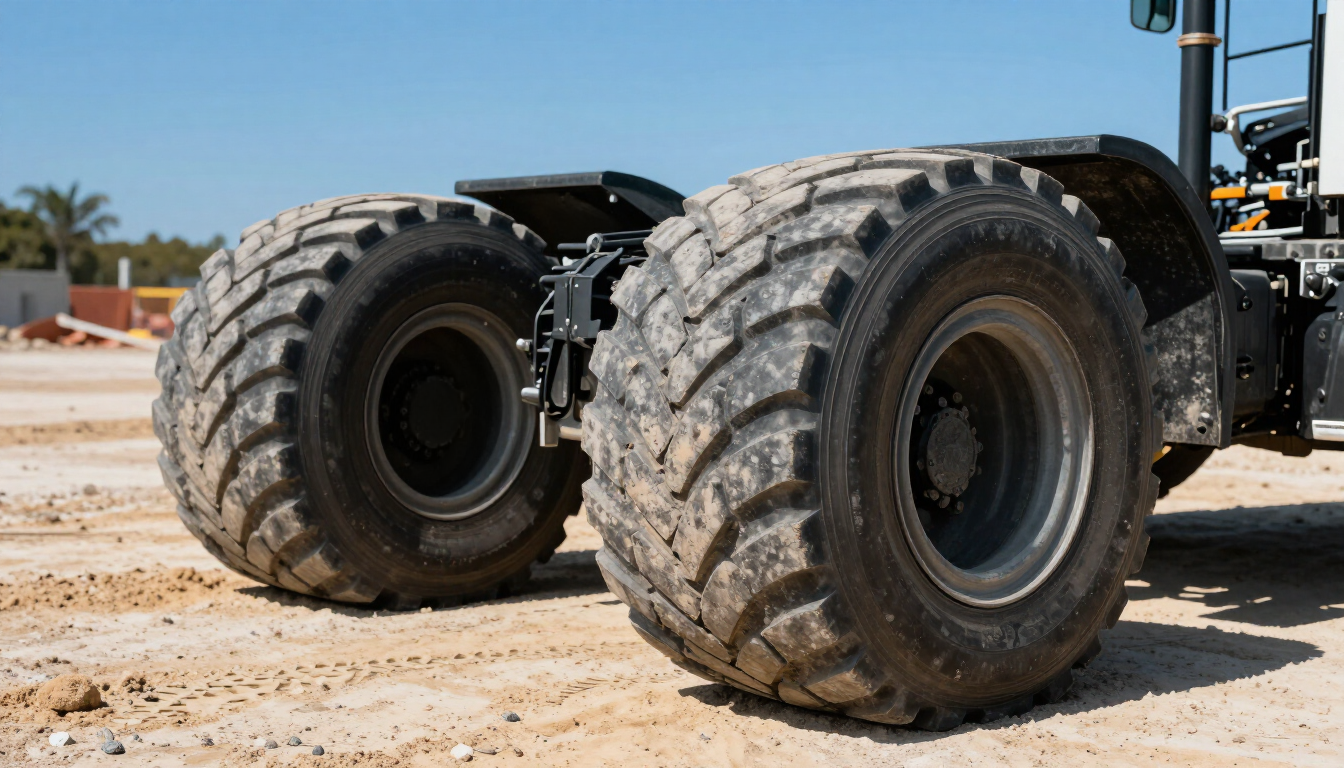
Tires are another major inspection point. Low tread depth, uneven wear, sidewall damage, improper inflation, or mismatched tires can all create problems. In Florida’s heat, tire condition becomes even more important because high road temperatures can increase the risk of tire failure. Fleet managers should have tires checked frequently to avoid breakdowns and safety concerns.

Lighting and visibility also matter. Headlights, brake lights, turn signals, clearance lights, reflectors, mirrors, and windshield wipers should all be working properly. These items may seem simple, but they are common causes of inspection issues. A routine fleet inspection can catch these problems quickly before they become violations.

DOT inspections also encourage better recordkeeping. Fleet owners should keep maintenance records, repair history, inspection reports, and service schedules organized. Good records can help show that the business is taking vehicle safety seriously. They also make it easier to track recurring problems and plan future service.

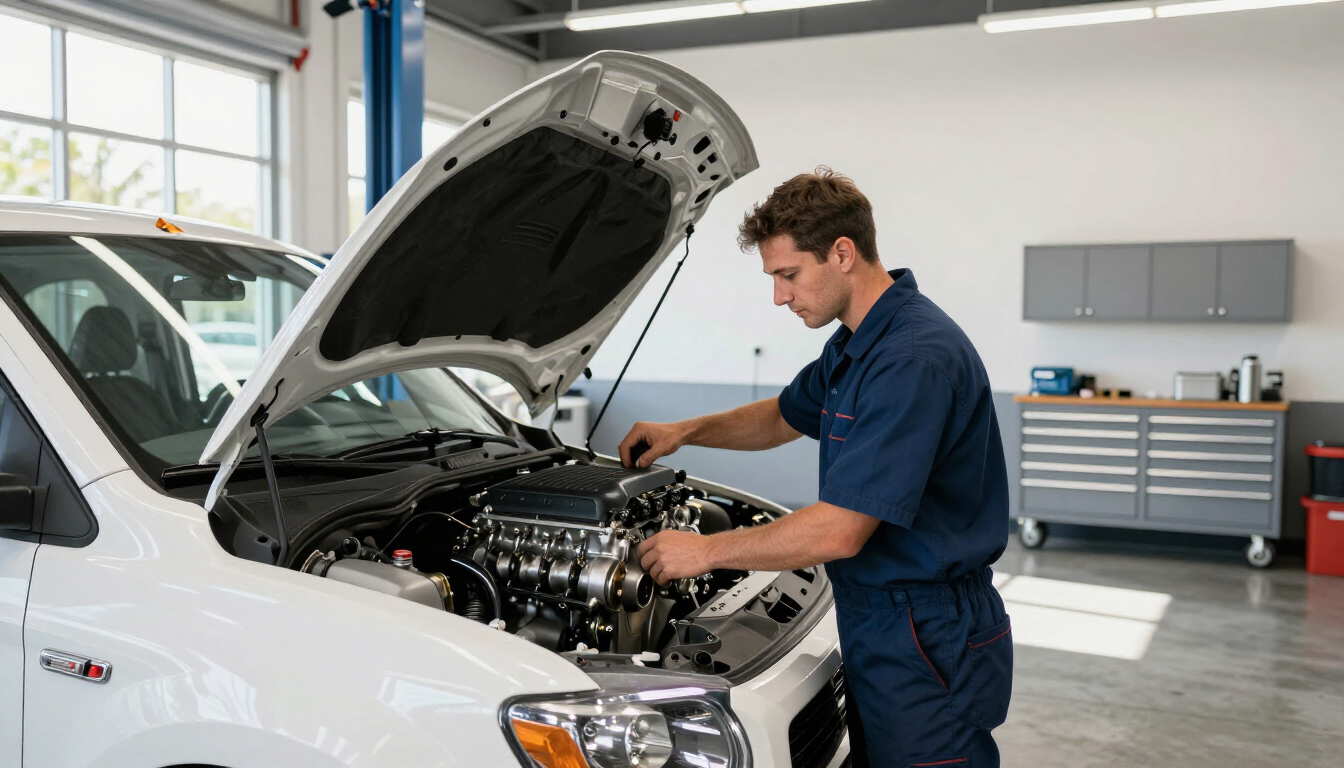
Working with a professional fleet maintenance provider can make the inspection process much easier. Instead of waiting until there is a problem, businesses can have vehicles checked regularly by technicians who understand commercial vehicle needs. This helps reduce the risk of failed inspections and keeps the fleet more reliable.

Professional Fleet Maintenance helps Florida businesses keep commercial vehicles safe, compliant, and ready for the road. With fleet inspections, preventative maintenance, diagnostics, and repair services, the team supports businesses that depend on their vehicles every day.

A DOT inspection is not just a requirement. It is an opportunity to make sure your fleet is safe, dependable, and prepared for daily operation. By staying proactive with maintenance and inspections, Florida fleet owners can reduce downtime, protect drivers, and keep their businesses moving.

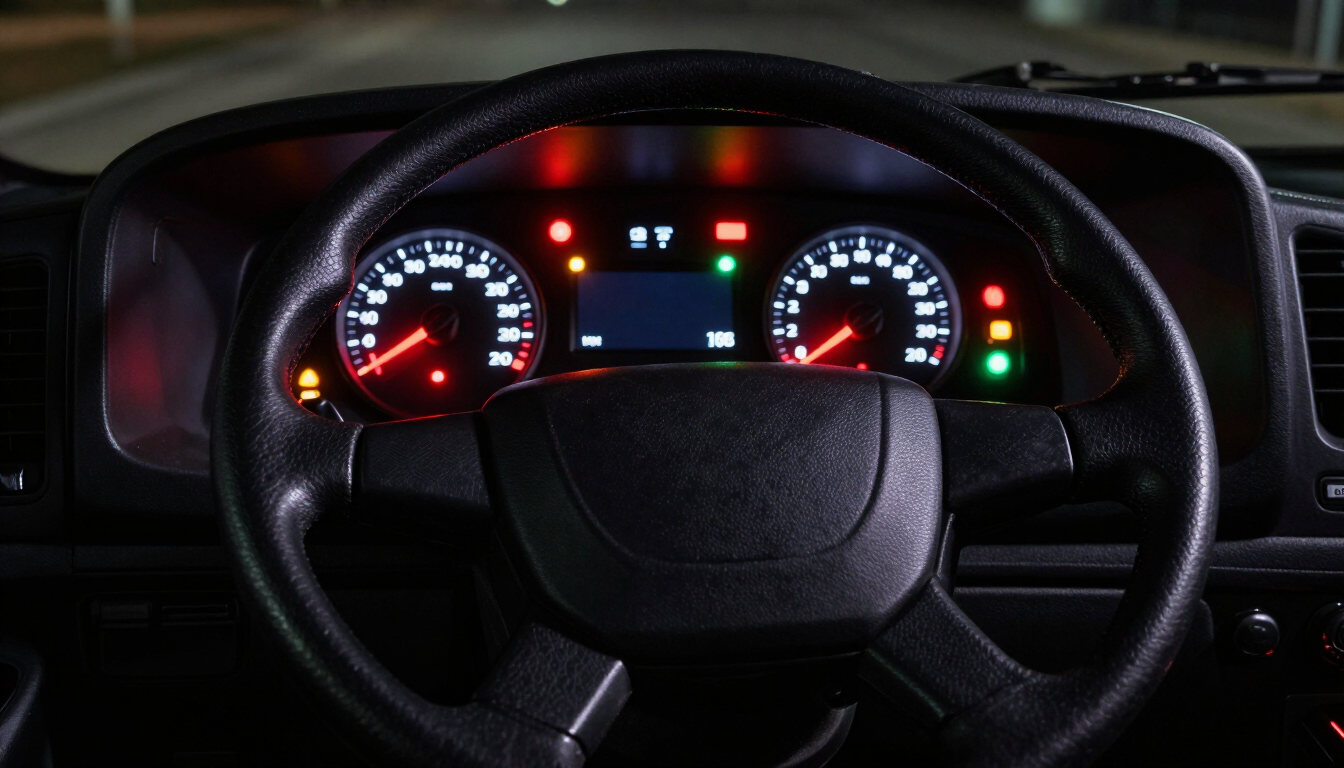
Commercial truck dashboard with glowing red warning lights illuminated.
August 7, 2026
Learn which truck dash warnings require an immediate stop. Our ASE Certified technician explains red lamps, derates, and fault codes to save your engine and ensure safety.
Mobile fleet service van parked next to a line of commercial trucks in Florida.
August 3, 2026
Learn how to safely get your commercial fleet back on the road after a hurricane with professional post-storm inspection tips from ASE Certified technicians.
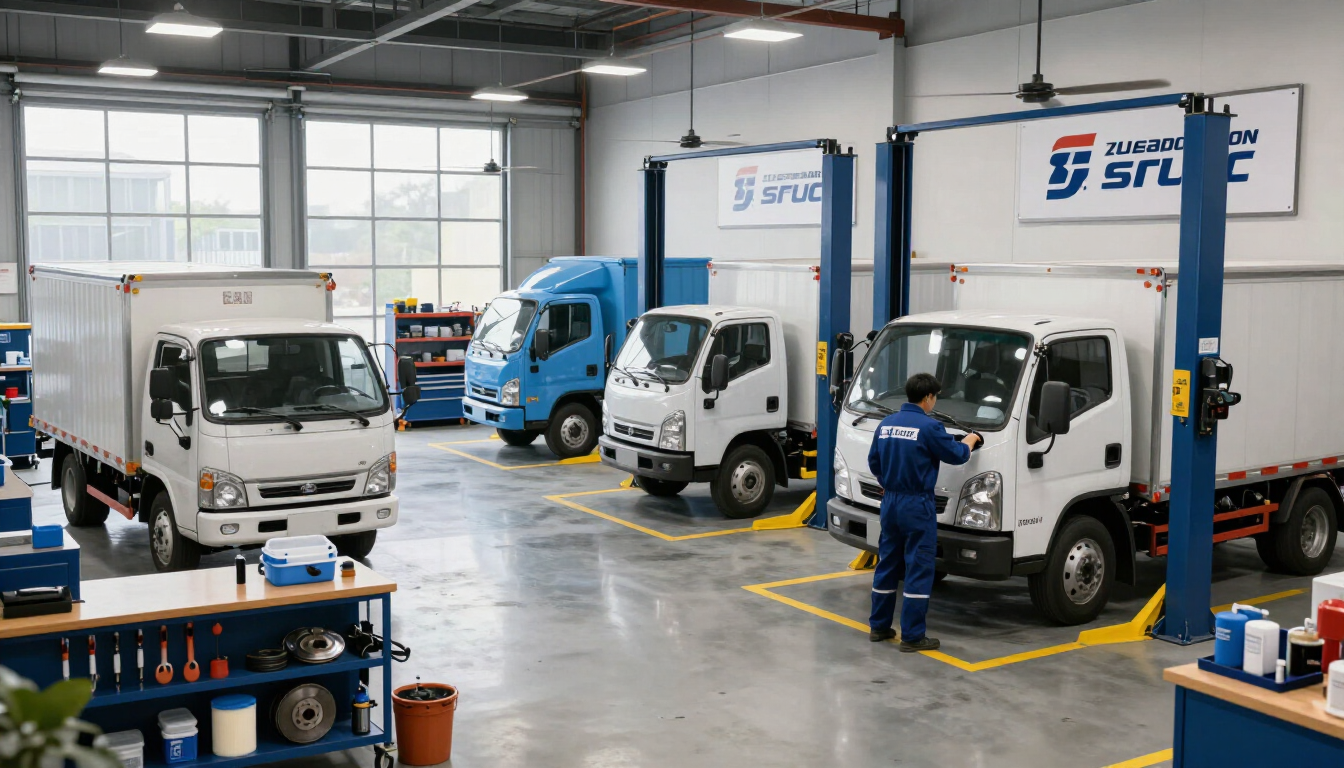
Medium duty trucks inside a professional fleet service shop bay.
July 27, 2026
Simplify your truck repair billing with a cbCharge fleet account. Get one monthly invoice, 30-day terms, and a secure online portal at our Florida shops.
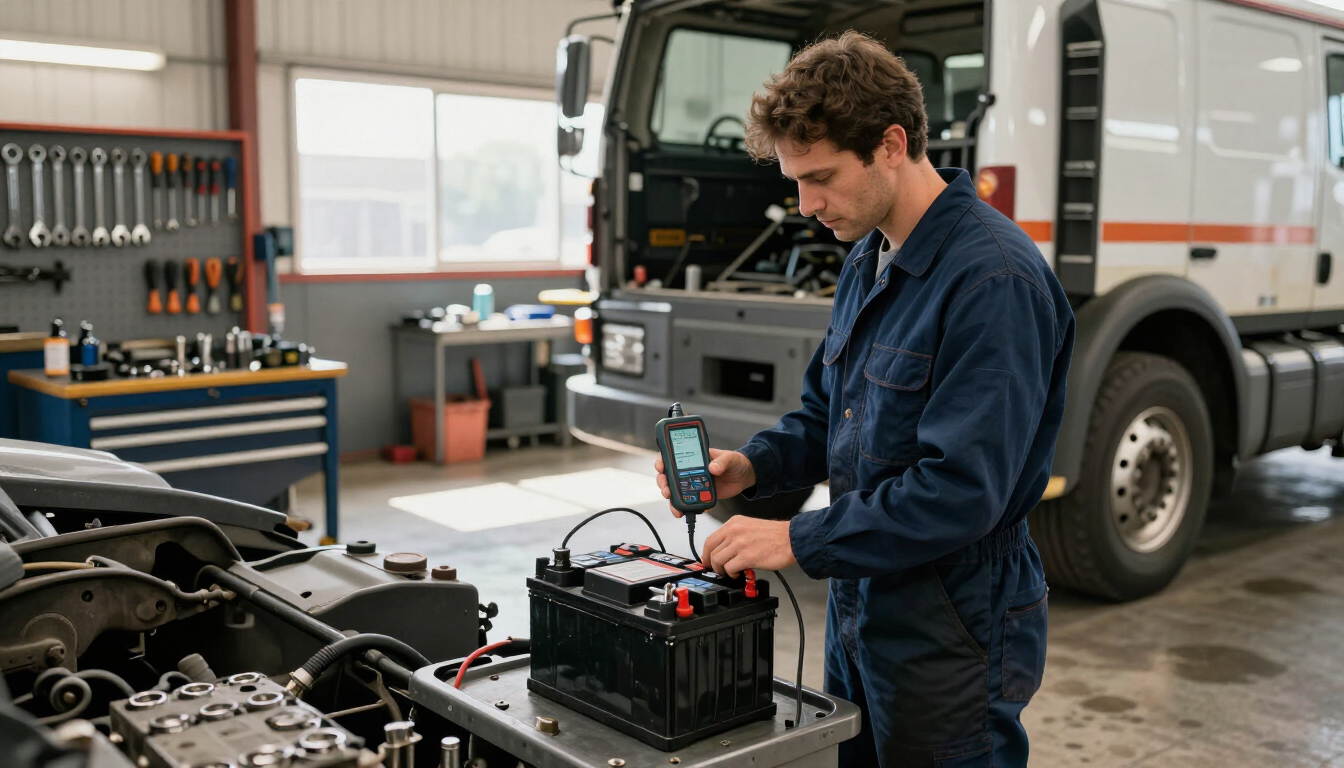
ASE Certified technician testing commercial truck batteries in a Florida shop bay.
July 20, 2026
Learn why Florida heat is the #1 killer of commercial truck batteries. Discover warning signs and professional testing methods from an ASE-certified technician to avoid breakdowns.
Professional truck driver performing walkaround inspection on a medium duty truck.
July 13, 2026
Master your daily routine with our commercial truck walkaround guide. ASE Certified tips on tires, brakes, and leaks for Florida drivers from Professional Fleet Maintenance.
Technician filling a medium duty truck with DEF fluid
July 6, 2026
Expert guide on Diesel Exhaust Fluid (DEF) for Florida fleet managers. Learn how to prevent heat degradation and contamination in your medium-duty trucks from an ASE Certified technician.
Technician inspecting truck cooling system in Fort Lauderdale shop bay
June 29, 2026
Ensure your medium-duty truck survives the intense Florida summer heat. Explore 5 essential cooling system checks recommended by ASE Certified technicians in Fort Lauderdale to prevent overheating and costly downtime.
Medium duty box truck in heavy Florida traffic illustrating DPF challenges.
June 22, 2026
Learn why short routes in Tampa and Miami cause DPF issues. ASE certified tech advice on diesel regeneration, soot buildup, and professional aftertreatment diagnostics for Florida fleets.
By VIV Builder June 15, 2026
Use this commercial vehicle maintenance checklist for Florida fleets, covering fluids, tires, brakes, batteries, cooling, and more to reduce downtime and keep vehicles road-ready.
ASE Technician inspecting medium duty truck
June 8, 2026
Expert ASE-certified tips for commercial fleet hurricane season readiness in South Florida. Covering maintenance, staging, and post-storm recovery.
Show More