
Diesel Repair Warning Signs Fleet Managers Should Never Ignore

Diesel vehicles are built for strength, reliability, and heavy use, which makes them a popular choice for commercial fleets. From work trucks and delivery vehicles to service fleets and heavy-duty applications, diesel engines are often expected to perform under demanding conditions. However, even the most dependable diesel vehicle needs regular maintenance and timely repairs. When warning signs appear, fleet managers should address them quickly before small problems turn into major downtime.

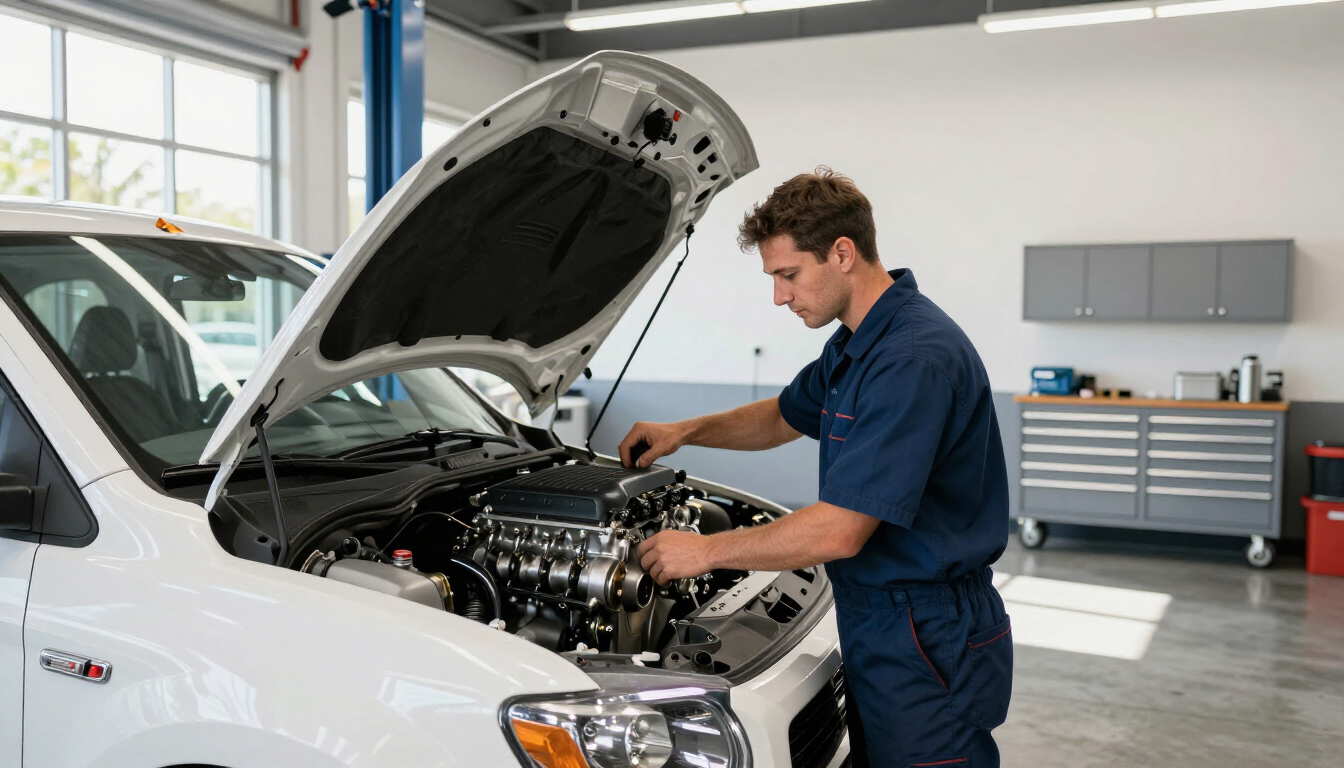
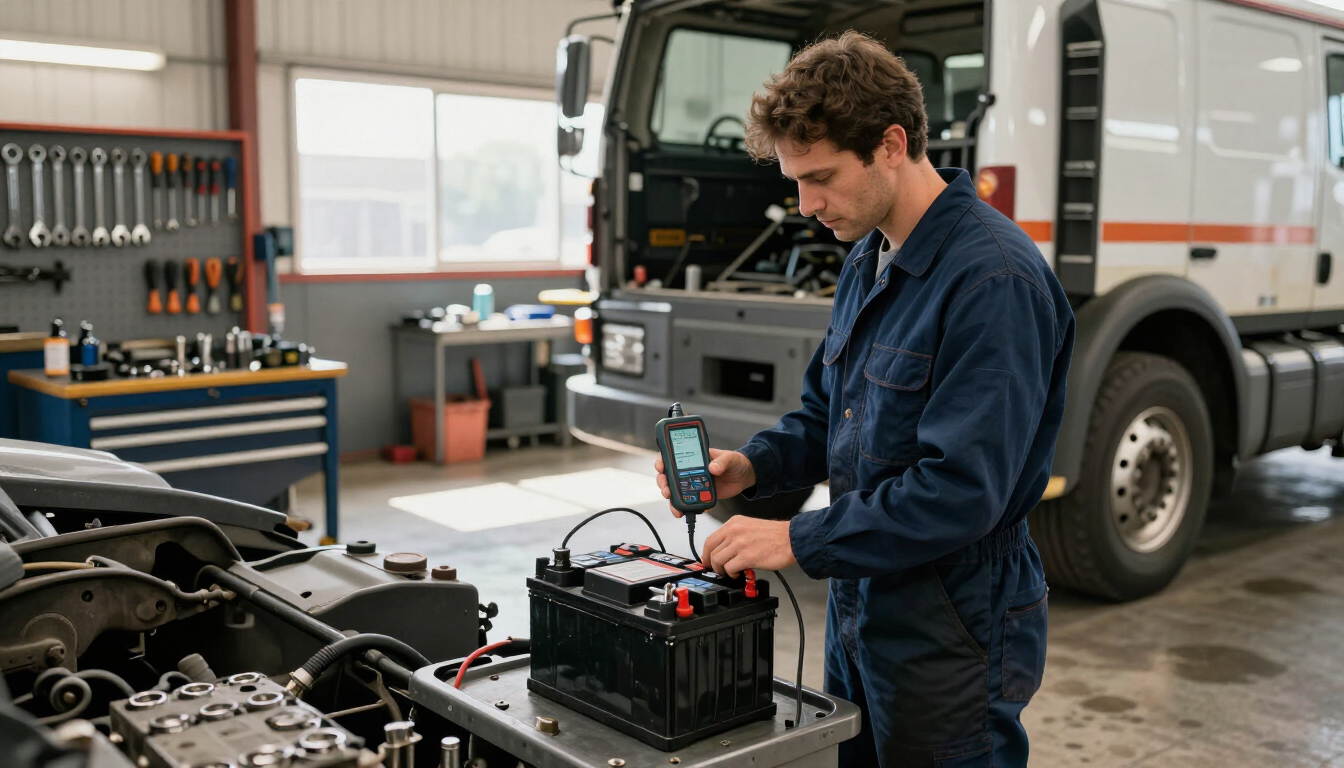
One of the most common diesel repair warning signs is hard starting. If a diesel vehicle struggles to start, takes longer than normal to turn over, or has repeated starting problems, there may be an issue with the battery, glow plugs, fuel system, starter, injectors, or compression. In a commercial fleet, starting problems can delay routes, job schedules, and daily operations.

Excessive smoke is another sign that something may be wrong. Black smoke can point to too much fuel being burned, restricted airflow, injector problems, or turbocharger issues. White smoke may indicate coolant entering the combustion chamber, fuel timing problems, or low compression. Blue smoke can mean the engine is burning oil. Any unusual smoke should be inspected by a professional technician.

Loss of power is also a serious concern. If a diesel truck feels sluggish, struggles under load, loses speed, or has trouble accelerating, the issue could involve the fuel system, turbocharger, exhaust system, sensors, transmission, or engine performance. A loss of power can affect safety and productivity, especially when vehicles are carrying equipment or traveling long routes.

Unusual noises should never be ignored. Knocking, ticking, grinding, hissing, or whining sounds can all point to mechanical problems. Diesel engines are naturally louder than gasoline engines, but fleet drivers and managers usually know what normal operation sounds like. New or worsening noises should be checked before they lead to engine damage or roadside failure.

Fuel economy changes can also be a warning sign. If a vehicle is using more fuel than normal, it may have dirty filters, injector issues, tire problems, poor alignment, sensor problems, or engine performance concerns. For businesses operating multiple diesel vehicles, poor fuel efficiency can quickly increase operating costs.

Overheating is another issue that needs immediate attention. Diesel engines generate significant heat, and Florida’s climate can make cooling system problems worse. Low coolant, radiator issues, water pump failure, thermostat problems, damaged hoses, or fan issues can all lead to overheating. If ignored, overheating can cause severe engine damage.

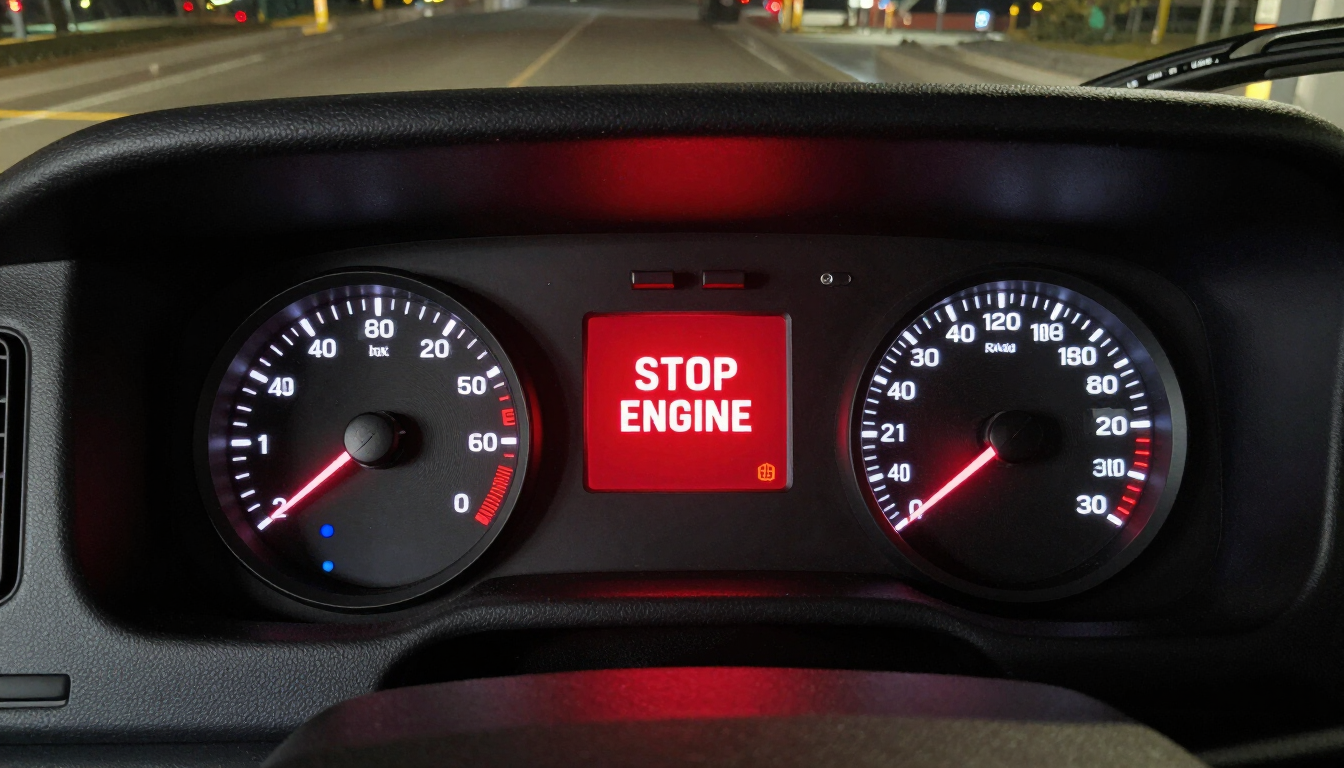
Dashboard warning lights are designed to alert drivers and fleet managers when a system needs attention. A check engine light, diesel particulate filter warning, temperature warning, oil pressure warning, or emissions system alert should not be dismissed. Modern diesel vehicles rely on computer systems and sensors, so diagnostic testing is often needed to identify the actual cause.

Fluid leaks are another sign of trouble. Oil, coolant, transmission fluid, diesel fuel, power steering fluid, or brake fluid leaks can all create safety and performance issues. Even a small leak can become a major repair if it is not addressed quickly. Regular inspections can help catch leaks before they damage other components.

Professional Fleet Maintenance provides diesel repair, diagnostics, inspections, and preventative maintenance for commercial vehicles and fleets. By identifying problems early, businesses can avoid larger repairs, reduce downtime, and keep diesel vehicles performing the way they should.

For fleet managers, the key is to act before a warning sign turns into a breakdown. Hard starts, smoke, power loss, overheating, leaks, strange noises, and warning lights all deserve attention. With the right diesel repair partner, businesses can keep their vehicles reliable, safe, and ready for the road.

By VIV Builder June 15, 2026
Use this commercial vehicle maintenance checklist for Florida fleets, covering fluids, tires, brakes, batteries, cooling, and more to reduce downtime and keep vehicles road-ready.
By VIV Builder May 25, 2026
Compare on-site fleet maintenance vs. shop repairs to find the best option for your business, balancing convenience, diagnostics, downtime, and fleet size.
By VIV Builder May 11, 2026
Discover the true cost of fleet downtime and how regular preventative maintenance protects your bottom line by reducing breakdowns, controlling costs, and extending vehicle life.
By VIV Builder May 4, 2026
Learn when to replace a fleet vehicle engine or transmission versus repair or retire, by weighing repair costs, downtime, vehicle condition, and long-term fleet needs.
By VIV Builder April 20, 2026
Learn what Florida fleet owners need to know about DOT inspections, from brake and tire checks to recordkeeping and preventative maintenance that keeps fleets compliant.
By VIV Builder April 13, 2026
Learn how professional fleet repair in Tampa keeps commercial vehicles road-ready, from preventative maintenance and diagnostics to brake and tire service that reduces downtime.
By VIV Builder April 6, 2026
Discover what Fort Lauderdale businesses should look for in a fleet repair partner, from diagnostics and preventative maintenance to fast turnaround and local expertise.
By VIV Builder March 30, 2026
Learn how preventative fleet maintenance helps Florida businesses reduce downtime, avoid costly breakdowns, improve safety, and extend the life of their commercial vehicles.
March 25, 2026
The body content of your post goes here. To edit this text, click on it and delete this default text and start typing your own or paste your own from a different source.
March 25, 2026
The body content of your post goes here. To edit this text, click on it and delete this default text and start typing your own or paste your own from a different source.
Show More