

DPF and Regen Failures on Delivery Duty Cycles

Florida delivery fleets face severe DPF and regen problems because short urban routes and heavy idling in Tampa and Miami traffic prevent exhaust systems from reaching the high temperatures required to burn off soot. This leads to frequent clogging, decreased fuel efficiency, and unavoidable engine limp mode.

After spending over 20 years as an ASE-Certified diesel technician working on medium-duty trucks, I have seen every way a diesel engine can fail. In the Sunshine State, the most common headache for fleet owners isn't a broken axle or a blown tire—it is the aftertreatment system. Specifically, the Diesel Particulate Filter (DPF) and the regeneration (regen) cycle. If you manage a fleet of box trucks or delivery vans in Tampa, FL or Fort Lauderdale, FL , you are likely all too familiar with that dreaded yellow dashboard light.

Last-mile delivery is the hardest duty cycle for a modern diesel engine. The constant stop-and-go nature of city driving, combined with the extreme Florida heat and humidity, creates a "perfect storm" for soot accumulation. When your truck can't breathe, it can't work. Understanding why these systems fail and how to manage them is the difference between a profitable week and a truck sitting in a service bay.

Why is my DPF light always on in Florida traffic?

If you are driving a delivery route in downtown Miami or through the construction-heavy corridors of Tampa, your truck is likely struggling to complete a "passive" regeneration. To understand why, we first have to look at what the DPF actually does. Think of the DPF as a high-tech soot trap. It catches the black smoke (particulate matter) that used to pour out of old diesel tailpipes.

For that trap to clean itself, the exhaust needs to get incredibly hot—usually over 550°F—to turn that soot into fine ash. This process is called regeneration. On a long highway haul, the engine naturally stays hot enough to do this constantly. However, in Florida city traffic, your trucks are likely:

  • Sitting at red lights for 5–10 minutes at a time.
  • Creeping through heavy congestion on I-95 or I-275.
  • Driving short bursts of only 2–3 miles between delivery stops.
  • Operating in high ambient temperatures that paradoxically don't help internal exhaust heat.

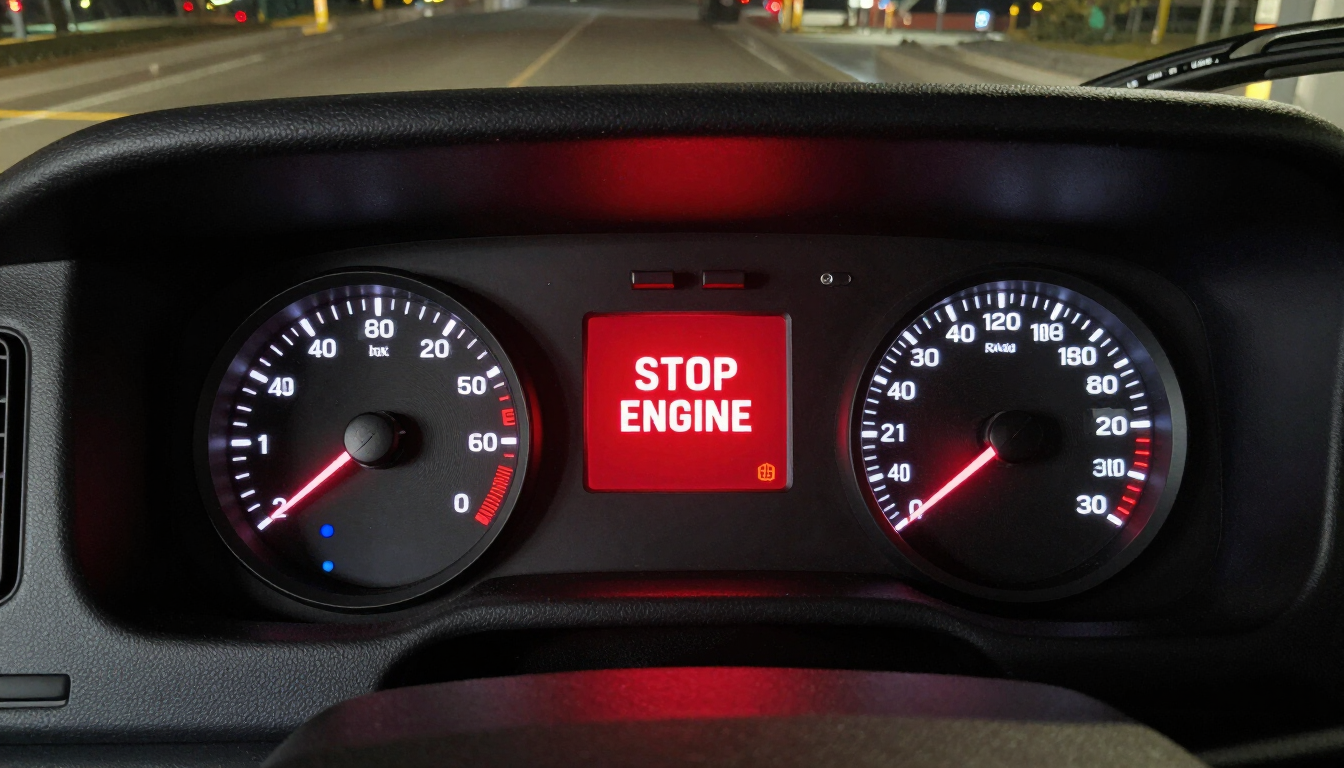
When the exhaust never reaches that critical temperature, the soot just keeps building up. The truck eventually realizes it is clogged and tries to trigger an "active" regen by injecting extra fuel into the exhaust to artificially raise the temperature. But even then, if the truck is stopped or moving too slowly, the computer might abort the process to prevent overheating external components. This results in the DPF light staying illuminated, eventually leading to a forced shutdown or "limp mode" to protect the engine.

Delivery truck in traffic

Understanding the Mechanics of DPF Regeneration

Regeneration isn't just one thing; it is a multi-stage process designed to keep your Medium Duty Truck Service needs to a minimum. There are three main types of regen you should know about: passive, active, and parked (manual). Passive regeneration happens naturally when the engine is under a heavy load, like pulling a full trailer up a grade at highway speeds. The heat alone is enough to oxidize the soot.

Active regeneration kicks in when the sensors detect the DPF is getting full. The engine control module (ECM) changes the timing and fuel delivery to send raw fuel into the Diesel Oxidation Catalyst (DOC), which sits just in front of the DPF. This creates a chemical furnace effect. If you’ve ever noticed your truck idling higher or smelling a bit like a blowtorch while parked at a light, that is an active regen in progress.

For many fleets, however, neither of these is enough. That is when you have to perform a "parked regen." This requires the driver to stop the truck, engage the parking brake, and hit a switch (or wait for the ECM to prompt it) to let the truck run at high RPMs for 20 to 40 minutes while it cleans itself. For a last-mile delivery driver on a tight schedule, 40 minutes of sitting still is a disaster for productivity.

How does excessive idling affect diesel aftertreatment?

Florida is a high-idle state. Between the humidity and the heat, drivers often keep engines running to maintain the Heating & Air conditioning in the cab during deliveries. While this keeps the driver comfortable, it is poison for the aftertreatment system. When a diesel engine idles, it doesn't burn fuel as efficiently as it does under load. This produces "wet" soot and unburned fuel vapors that coat the inside of the DPF.

Extended idling causes several specific issues for your fleet:

  1. Lower Exhaust Temperatures : Idling produces very little heat, allowing soot to pack tightly into the DPF substrate.
  2. Increased Soot Load : The longer the engine idles, the faster the filter fills up.
  3. Oil Dilution : Frequent failed active regens (caused by idling) can lead to fuel entering the crankcase, which ruins the lubricating properties of your engine oil.
  4. EGR Clogging : The Exhaust Gas Recirculation (EGR) valve, which reduces nitrogen oxide, can get gummed up with carbon, leading to poor performance.
  5. Turbocharger Wear : Backpressure from a clogged DPF puts immense strain on the turbocharger vanes.

Proper Preventative Maintenance is the only way to mitigate these idling effects. We often recommend more frequent oil changes and sensor inspections for trucks that spend more than 30% of their operating time at an idle.

Critical Warning Signs Your Fleet Shouldn't Ignore

One of the most important things we teach fleet managers is how to read the early warning signs of aftertreatment failure. You don't want to wait until the truck is on the side of the road waiting for a tow. A well-maintained Fleet Service plan involves catching these symptoms before they become catastrophic.

Look out for these indicators that your DPF is struggling:

  • Frequent Regeneration Requests : If the truck is asking for a parked regen every day instead of every week, the DPF is likely reaching the end of its serviceable life.
  • Noticeable Loss of Power : Increased backpressure makes the engine work harder to push exhaust out, resulting in a sluggish feel during acceleration.
  • Decreased Fuel Economy : If your MPG takes a sudden 10–15% dip, the engine is likely burning extra fuel trying to stay in a constant state of regen.
  • Distinct "Hot" Smells : A burning or chemical smell that persists after the truck is turned off can indicate a DPF that is dangerously clogged.
  • Black Smoke : Modern trucks should never have black smoke coming from the tailpipe. If they do, the DPF is likely cracked or compromised.
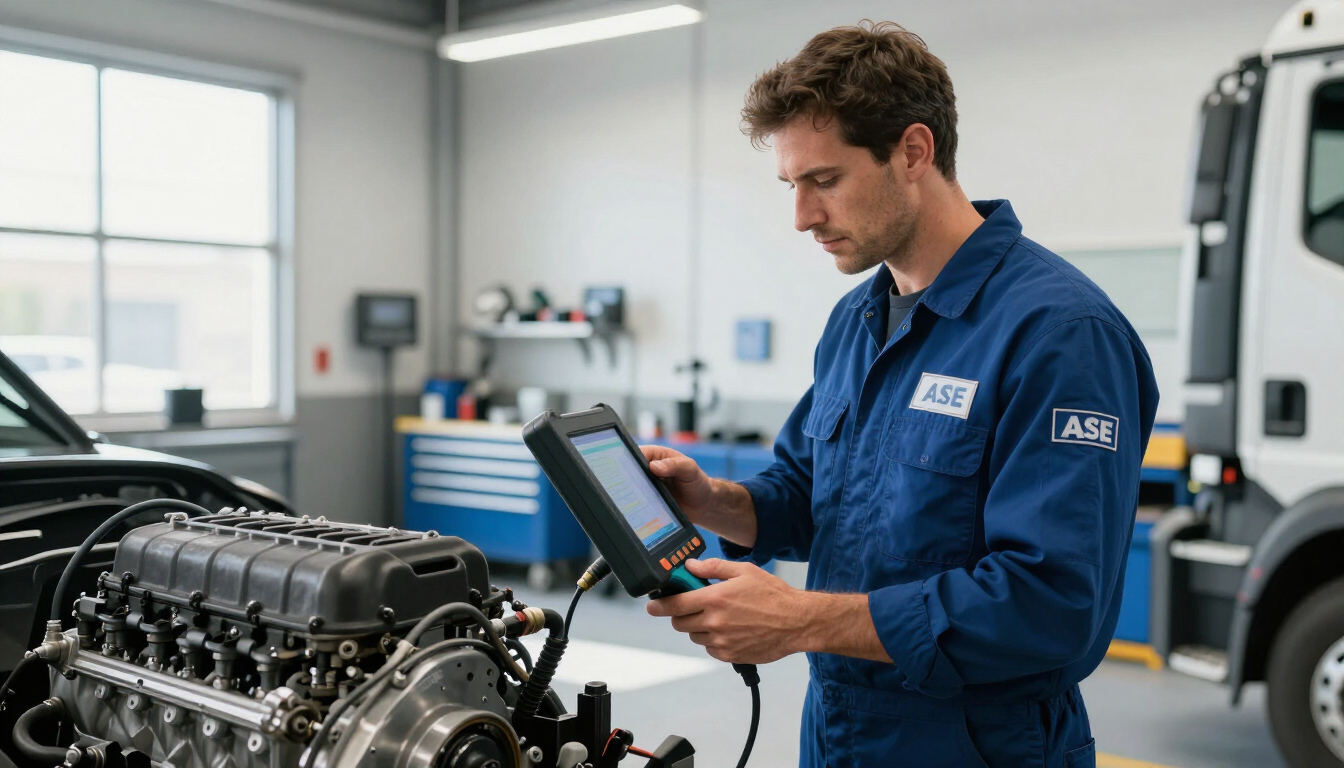
Technician using scan tool

What happens during a professional diesel diagnostic?

When a truck comes into our shop for Diagnostics , we don't just clear the codes and send it back out. Clearing a code is like putting a band-aid on a broken leg; it doesn't fix the underlying cause. An ASE-certified technician uses advanced software to look deep into the engine’s history and live data.

Our diagnostic process usually involves these steps:

  1. Pressure Differential Testing : we measure the pressure before and after the DPF to see exactly how restricted the airflow is.
  2. Sensor Verification : We check the temperature and NOx sensors to ensure they are reporting accurately to the ECM.
  3. DOC Health Check : We verify the Diesel Oxidation Catalyst is still capable of generating the heat needed for a regen.
  4. EGR System Inspection : We ensure the EGR valve and cooler are not leaking or stuck, which would cause excessive soot.
  5. Forced Regeneration & Data Logging : We perform a shop-controlled regen while monitoring every parameter to ensure the system reaches and maintains the correct temperature.

This level of detail ensures that when the truck leaves, the root cause—whether it is a faulty sensor or a worn fuel injector—is resolved. We specialize in keeping trucks running legally and efficiently, ensuring your fleet remains compliant with all federal standards without resorting to unreliable shortcuts.

Best Practices for Florida Fleet Maintenance

Operating in Florida means you have to play by a different set of rules. The heat is relentless, and the traffic is unforgiving. To keep your aftertreatment systems healthy, you need a proactive strategy. Start by training your drivers. They are your first line of defense. Ensure they understand that they should never ignore a regen request. If the light comes on, they need to get the truck to a speed where it can clean itself, or find a safe place for a parked regen immediately.

Secondly, stick to high-quality fluids. Using the wrong engine oil or low-quality Diesel Exhaust Fluid (DEF) can lead to premature DPF failure. Modern CJ-4 or CK-4 oils are specifically designed to be "low-ash" to protect your filter. Finally, don't skip your scheduled DOT Inspections and regular shop visits. Catching a small exhaust leak or a sticking sensor today can save you thousands in DPF replacement costs tomorrow.

Key Takeaways for Fleet Operators:

  • Florida traffic prevents passive regeneration, making active and parked regens mandatory.
  • Excessive idling at delivery stops is the primary cause of soot buildup in Tampa and Miami fleets.
  • Never ignore early warning signs like decreased MPG or frequent regen prompts.
  • Professional diagnostics are required to find the root cause of aftertreatment issues.
  • Consistent preventive maintenance is the only way to avoid engine limp mode and costly downtime.

Managing a delivery fleet is hard enough without the constant worry of engine failure. By understanding the science of your DPF and working with experienced technicians, you can keep your trucks on the road and your deliveries on time. If you’re seeing that regen light more often than you’d like, it’s time to bring your vehicle in for a professional look before a small soot problem turns into a major mechanical failure.

Mobile fleet service van parked next to a line of commercial trucks in Florida.
August 3, 2026
Learn how to safely get your commercial fleet back on the road after a hurricane with professional post-storm inspection tips from ASE Certified technicians.
Medium duty trucks inside a professional fleet service shop bay.
July 27, 2026
Simplify your truck repair billing with a cbCharge fleet account. Get one monthly invoice, 30-day terms, and a secure online portal at our Florida shops.
ASE Certified technician testing commercial truck batteries in a Florida shop bay.
July 20, 2026
Learn why Florida heat is the #1 killer of commercial truck batteries. Discover warning signs and professional testing methods from an ASE-certified technician to avoid breakdowns.
Professional truck driver performing walkaround inspection on a medium duty truck.
July 13, 2026
Master your daily routine with our commercial truck walkaround guide. ASE Certified tips on tires, brakes, and leaks for Florida drivers from Professional Fleet Maintenance.
Technician filling a medium duty truck with DEF fluid
July 6, 2026
Expert guide on Diesel Exhaust Fluid (DEF) for Florida fleet managers. Learn how to prevent heat degradation and contamination in your medium-duty trucks from an ASE Certified technician.
Technician inspecting truck cooling system in Fort Lauderdale shop bay
June 29, 2026
Ensure your medium-duty truck survives the intense Florida summer heat. Explore 5 essential cooling system checks recommended by ASE Certified technicians in Fort Lauderdale to prevent overheating and costly downtime.
By VIV Builder June 15, 2026
Use this commercial vehicle maintenance checklist for Florida fleets, covering fluids, tires, brakes, batteries, cooling, and more to reduce downtime and keep vehicles road-ready.
ASE Technician inspecting medium duty truck
June 8, 2026
Expert ASE-certified tips for commercial fleet hurricane season readiness in South Florida. Covering maintenance, staging, and post-storm recovery.
By VIV Builder May 25, 2026
Compare on-site fleet maintenance vs. shop repairs to find the best option for your business, balancing convenience, diagnostics, downtime, and fleet size.
By VIV Builder May 11, 2026
Discover the true cost of fleet downtime and how regular preventative maintenance protects your bottom line by reducing breakdowns, controlling costs, and extending vehicle life.
Show More