Commercial Vehicle Maintenance Checklist for Florida Fleets
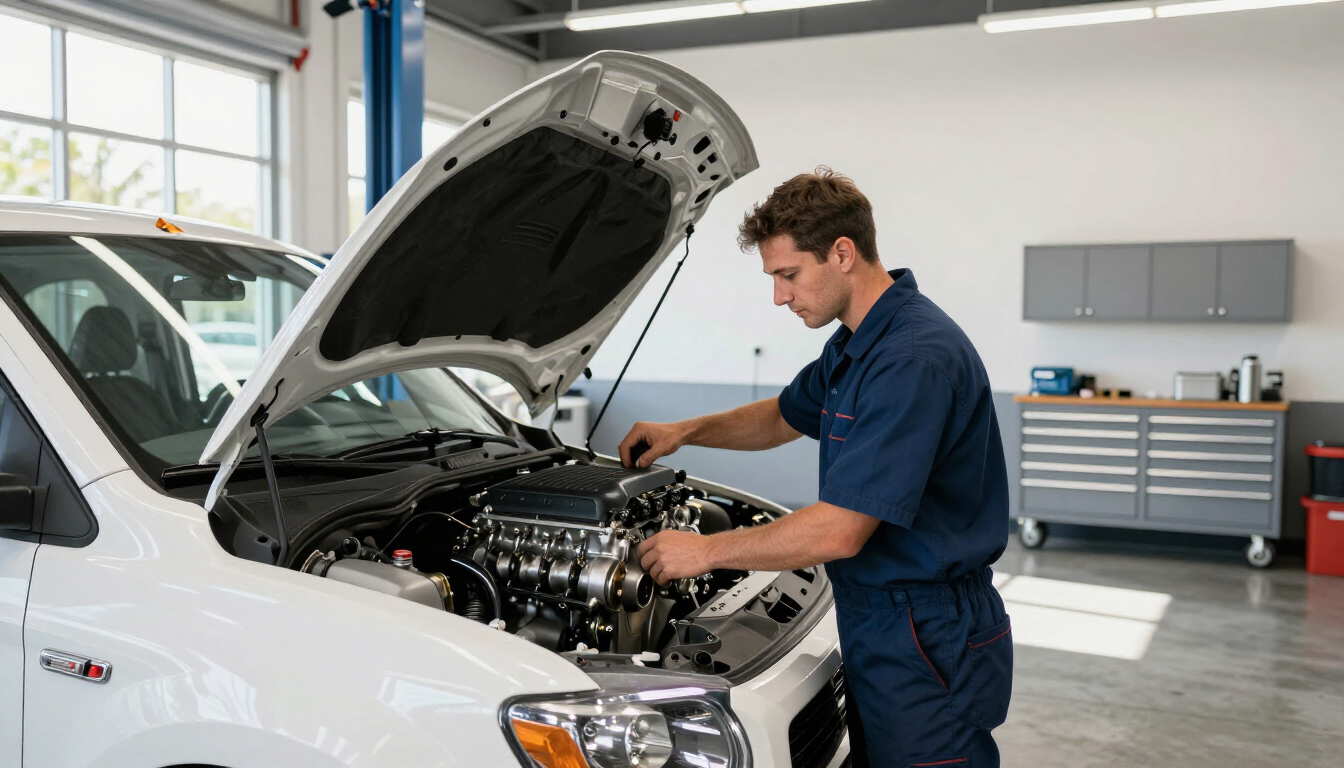
Commercial vehicles work hard every day. Whether your business operates service vans, delivery trucks, diesel vehicles, work trucks, or a mixed fleet, each vehicle needs regular maintenance to stay safe and reliable. A commercial vehicle maintenance checklist helps fleet owners stay organized, reduce surprise repairs, and keep vehicles ready for the road.
Florida fleets face unique conditions. Heat, humidity, rain, traffic, and long driving hours can increase wear on important vehicle systems. Batteries, tires, cooling systems, brakes, and air conditioning systems often work harder in Florida’s climate. A consistent maintenance checklist can help businesses catch problems early and avoid costly downtime.
The first item on any commercial vehicle maintenance checklist should be fluid service. Engine oil, coolant, transmission fluid, brake fluid, power steering fluid, washer fluid, and diesel exhaust fluid should be checked regularly. Low or dirty fluids can cause poor performance, overheating, brake concerns, transmission problems, or engine damage. Keeping fluids clean and at the correct level is one of the simplest ways to protect a fleet.
Tires should also be inspected often. Fleet managers should check tire pressure, tread depth, sidewall condition, uneven wear, and visible damage. Proper tire maintenance improves safety, handling, and fuel efficiency. In Florida’s heat, tire pressure and tire condition are especially important because hot roads can increase the risk of tire problems.
Brake inspections are another priority. Commercial vehicles often carry heavy loads, equipment, products, or passengers, which puts more stress on brake systems. Brake pads, rotors, calipers, brake fluid, hoses, and related components should be inspected on a regular schedule. Any squealing, grinding, vibration, pulling, or reduced stopping power should be addressed right away.
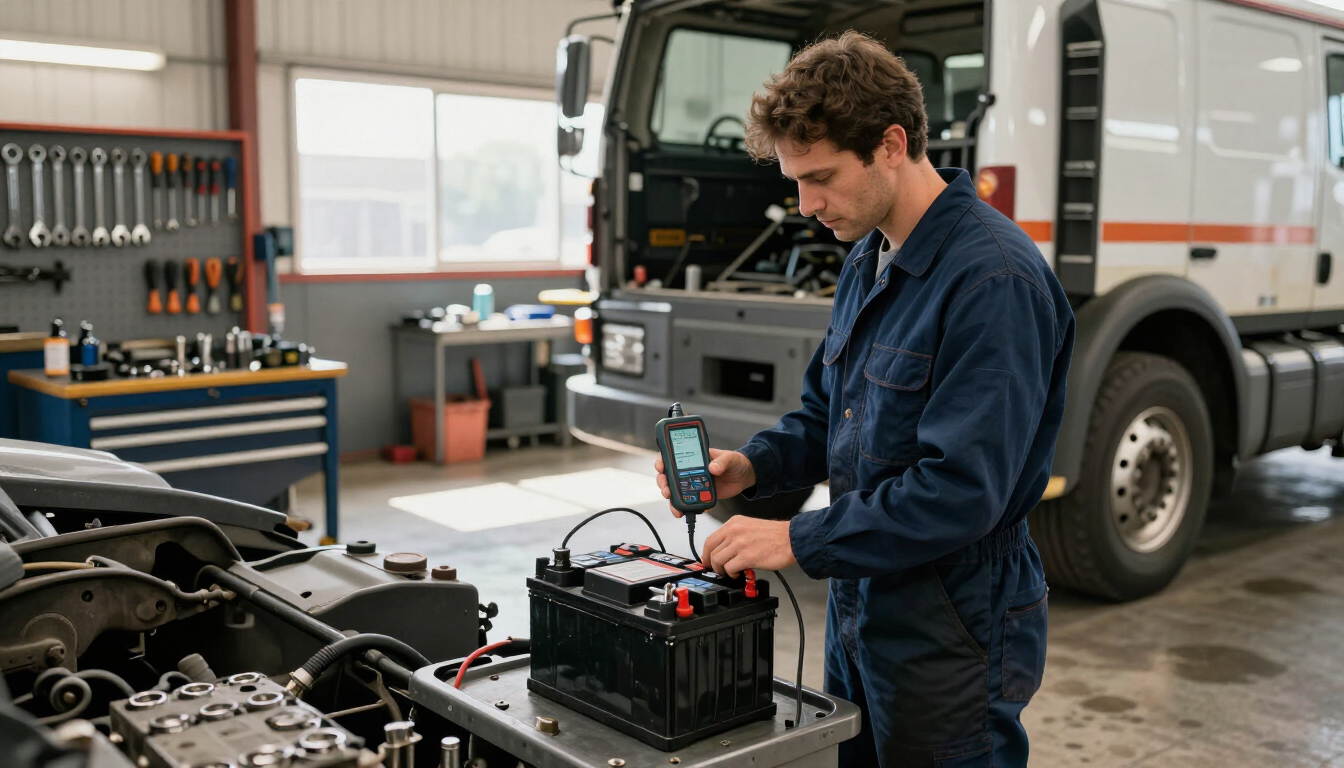
Battery testing is important for Florida fleets because heat can shorten battery life. A weak battery can leave a vehicle unable to start, which can delay jobs and disrupt the business day. Terminals should be checked for corrosion, and batteries should be tested before they fail unexpectedly.
Cooling system maintenance should not be ignored. Radiators, coolant levels, hoses, belts, fans, thermostats, and water pumps all help prevent overheating. Because Florida temperatures can be high for much of the year, cooling system problems can quickly lead to serious engine damage if they are not repaired early.
Lights and visibility should be checked frequently. Headlights, brake lights, turn signals, hazard lights, reverse lights, clearance lights, reflectors, mirrors, and windshield wipers all play a role in safety. These items are also important for inspections and compliance. Replacing a bulb or wiper blade early is much easier than dealing with a failed inspection or roadside issue.
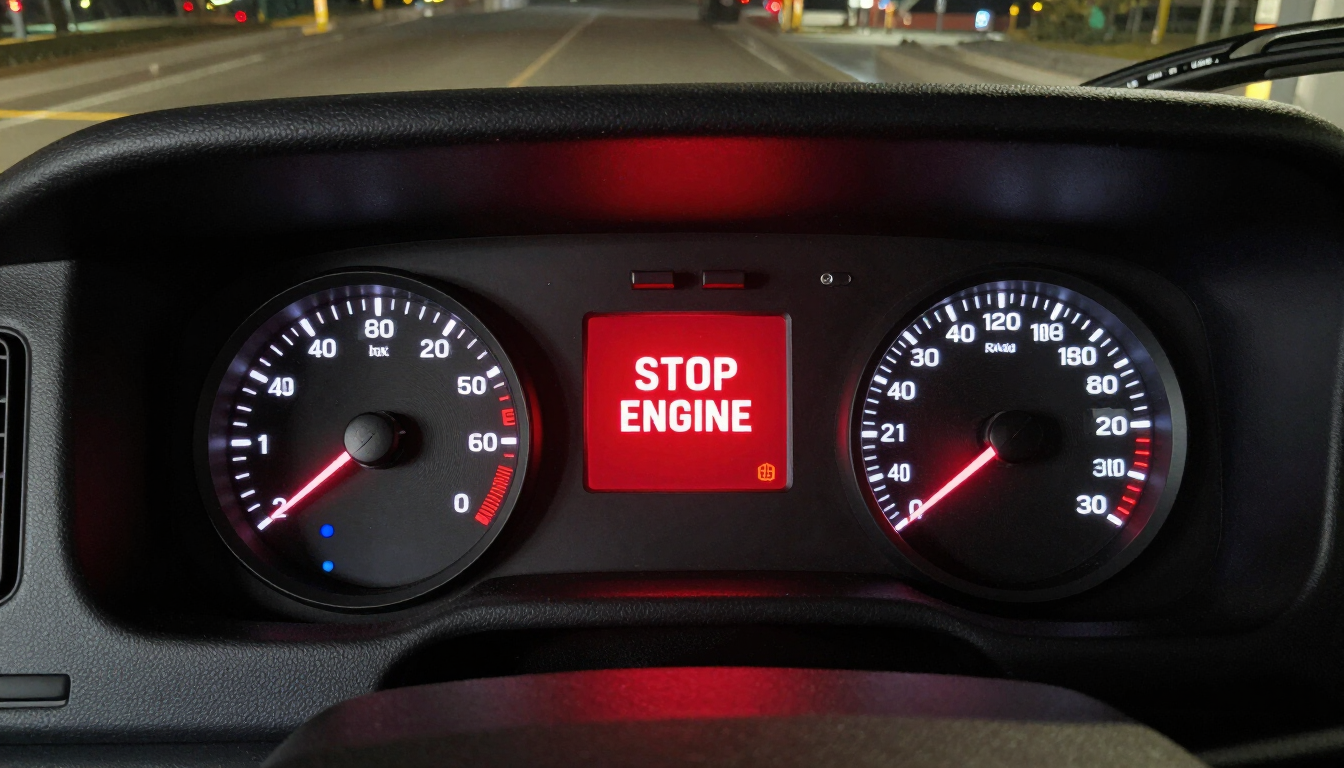
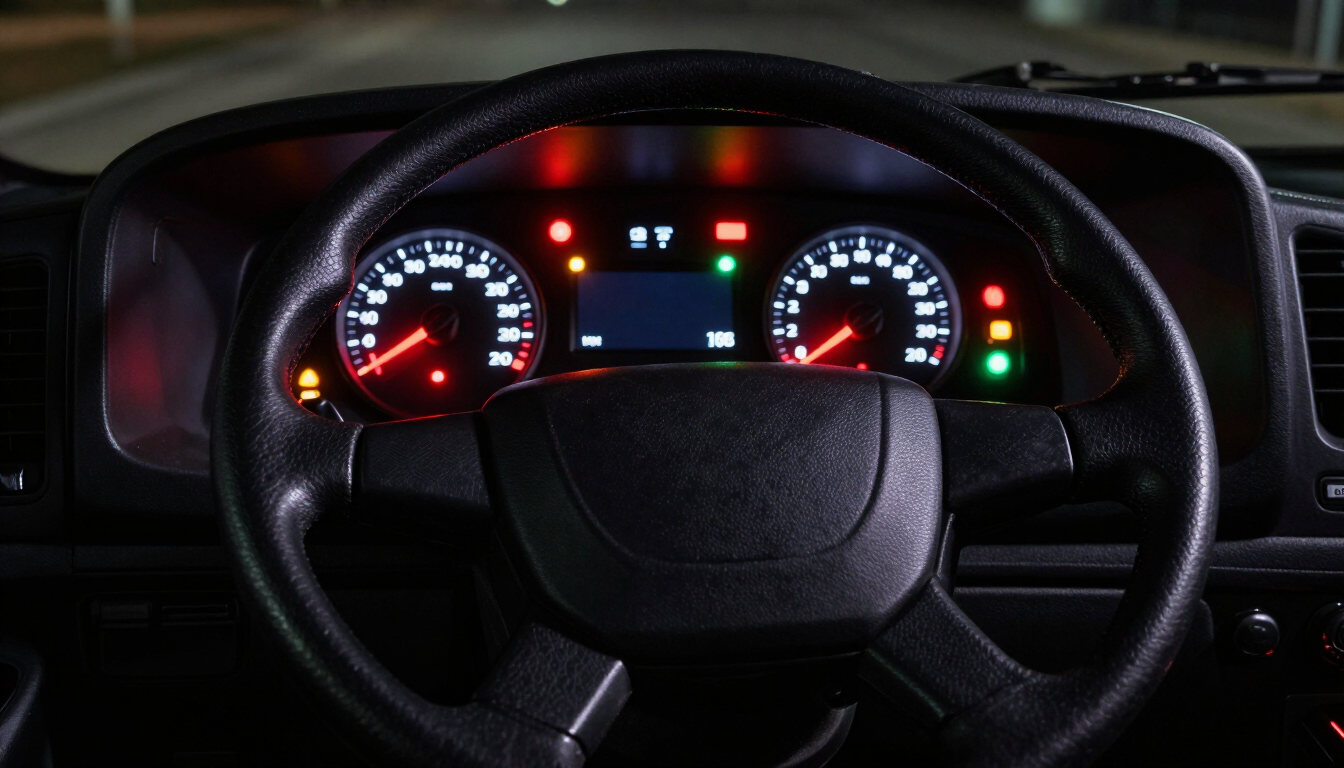
Fleet vehicles should also receive regular diagnostic checks. Warning lights, sensor issues, emissions concerns, fuel system problems, and electrical issues can affect performance and reliability. Modern commercial vehicles rely on advanced systems, so diagnostic scans are an important part of fleet maintenance.
Suspension and steering components should be inspected for wear. Shocks, struts, ball joints, tie rods, bushings, wheel bearings, and alignment issues can affect handling and tire wear. Vehicles that carry heavy loads or drive on rough roads may need more frequent inspections.
Air conditioning service is also important for driver comfort and productivity in Florida. A/C problems can make long workdays uncomfortable, especially for drivers who spend hours on the road. Regular checks can help identify refrigerant leaks, blower motor issues, compressor problems, or clogged cabin filters.
A maintenance checklist should also include recordkeeping. Fleet managers should track service dates, mileage, repairs, inspections, parts replaced, and recurring issues. Good records make it easier to plan future maintenance, manage budgets, and keep vehicles compliant.
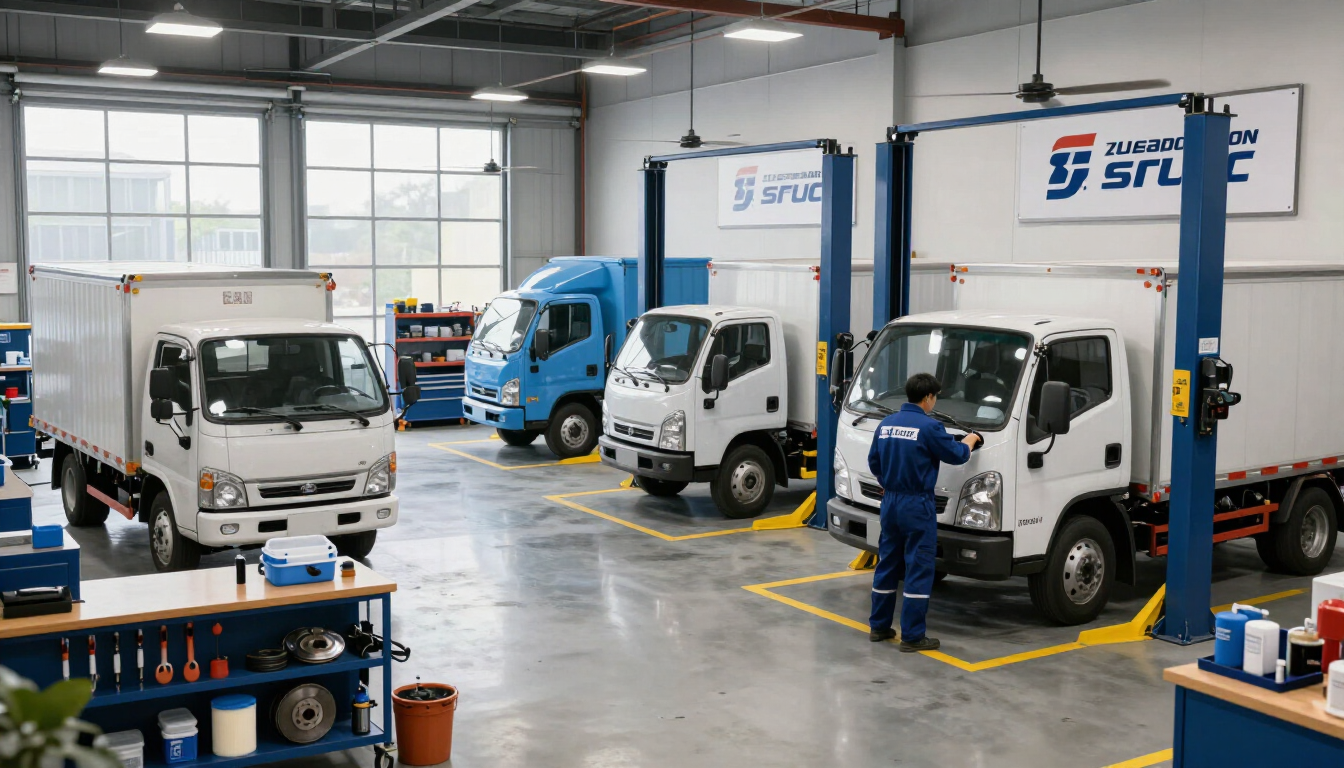
Professional Fleet Maintenance helps Florida businesses stay ahead of repairs with commercial vehicle maintenance, inspections, diagnostics, diesel repair, brake service, and fleet repair support. A consistent checklist gives fleet owners a better way to protect vehicles, drivers, and daily operations.
Commercial vehicle maintenance is not just about fixing problems. It is about preventing them. With the right checklist and a trusted fleet maintenance partner, Florida businesses can reduce downtime, improve safety, and keep their vehicles performing every day.