
On-Site Fleet Maintenance vs. Shop Repairs: Which Is Better for Your Business?

When a commercial vehicle needs service, fleet managers often have to decide whether on-site fleet maintenance or shop repairs are the better option. Both can play an important role in keeping vehicles reliable, safe, and road-ready. The best choice depends on the type of service needed, the condition of the vehicle, the size of the fleet, and how much downtime the business can afford.

On-site fleet maintenance is convenient because service can often be performed where the vehicles are parked. This can save time for businesses that operate multiple trucks, vans, or commercial vehicles. Instead of sending every vehicle to a repair facility, certain maintenance tasks can be completed at the business location, yard, or fleet parking area.

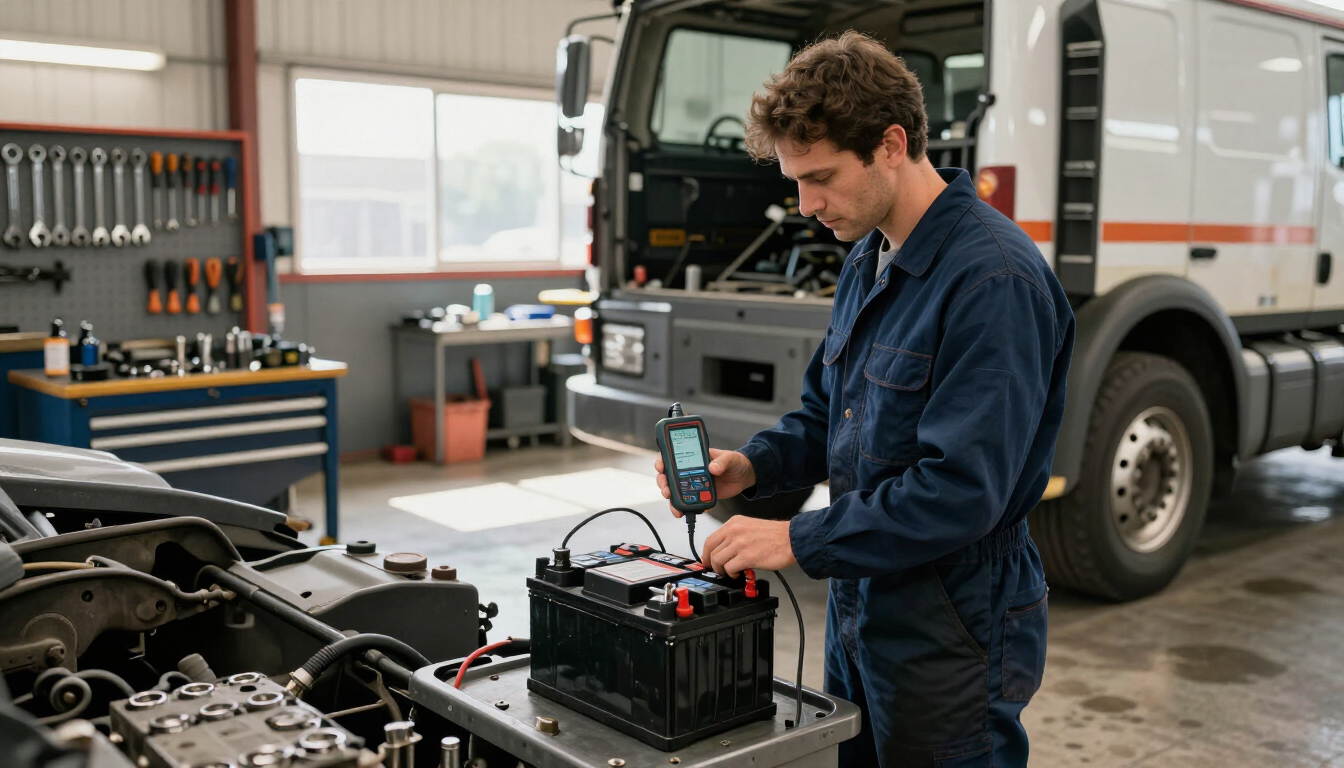
Basic preventative maintenance is often a good fit for on-site service. This may include oil changes, fluid checks, filter replacements, battery testing, light inspections, tire pressure checks, and general safety inspections. For fleet managers, this can make it easier to keep vehicles on schedule without removing them from operation for long periods.

On-site service can also help businesses stay organized. When several vehicles need routine maintenance, having a technician come to the fleet location can reduce transportation time and simplify scheduling. This is especially helpful for companies that need vehicles available during normal business hours.

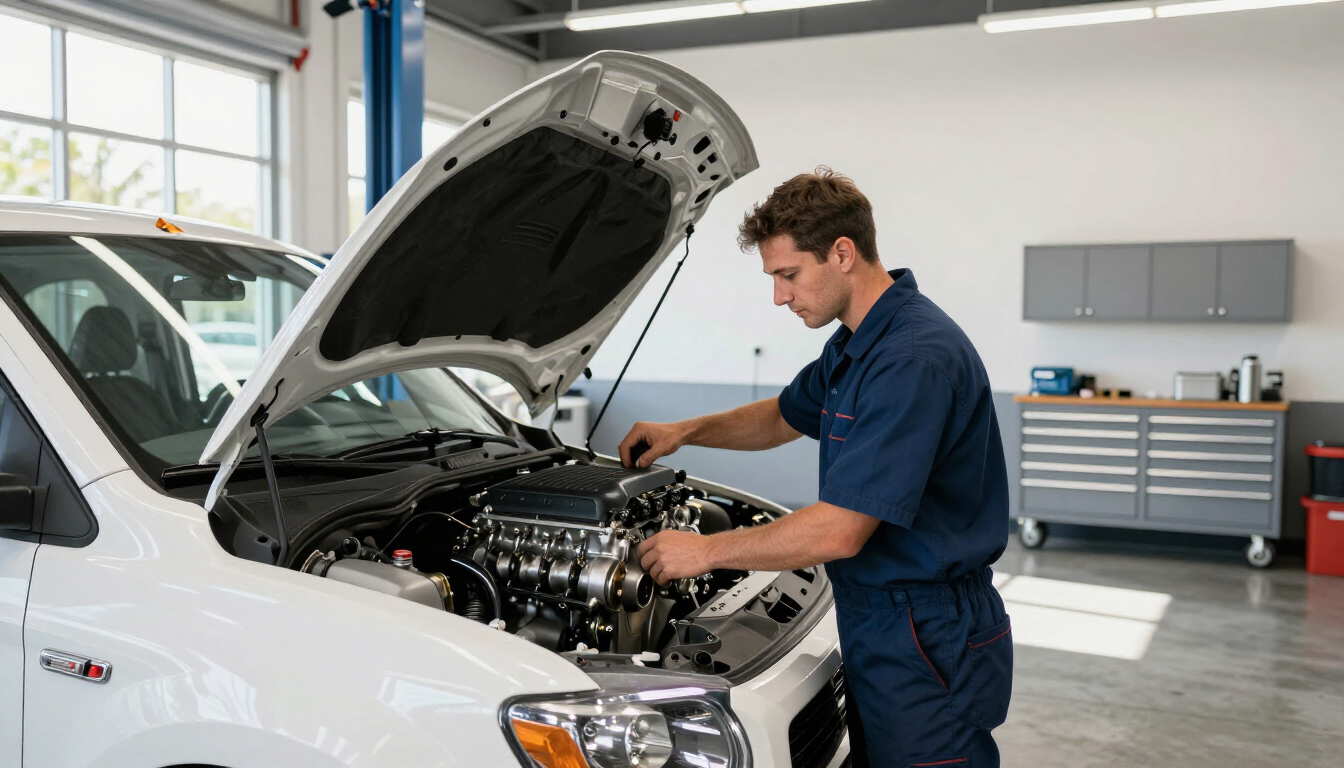
However, not every repair should be performed on-site. Some services require specialized equipment, lifts, advanced diagnostics, larger tools, or a controlled shop environment. Major engine repairs, transmission work, suspension repairs, complex electrical issues, advanced diesel diagnostics, and certain brake repairs may be better handled in a professional repair facility.

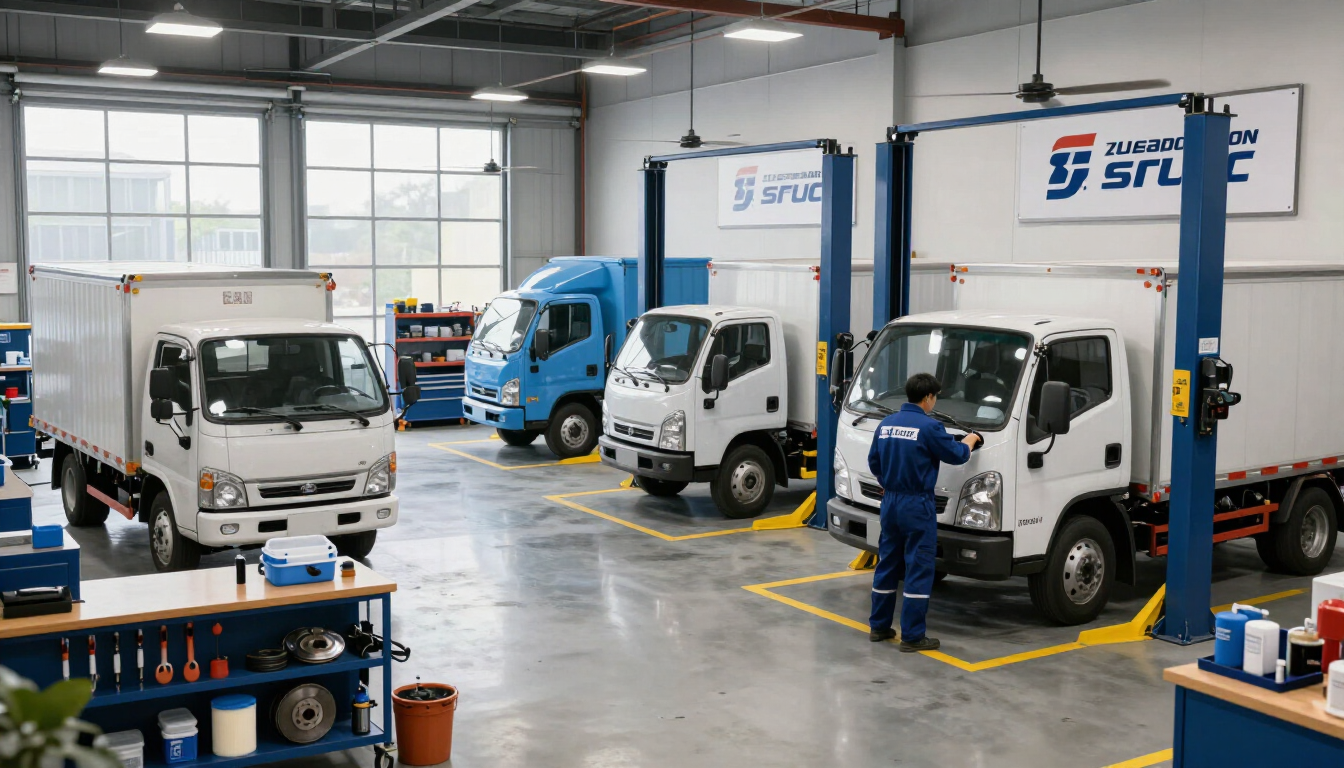
Shop repairs offer more complete access to equipment and resources. A repair shop can often perform deeper inspections, more complex diagnostics, and larger repairs more efficiently. If a vehicle has a serious mechanical issue, bringing it into the shop may be the safest and most effective choice.

Another benefit of shop repairs is that technicians can inspect the vehicle more thoroughly. With proper equipment, they can check components that may be difficult to evaluate in a parking lot or fleet yard. This can lead to more accurate repairs and better long-term results.

For many businesses, the best solution is not choosing one option over the other. It is using both strategically. On-site fleet maintenance can handle routine service and inspections, while shop repairs can take care of larger or more complex issues. This balanced approach can help reduce downtime while still making sure vehicles receive the right level of care.

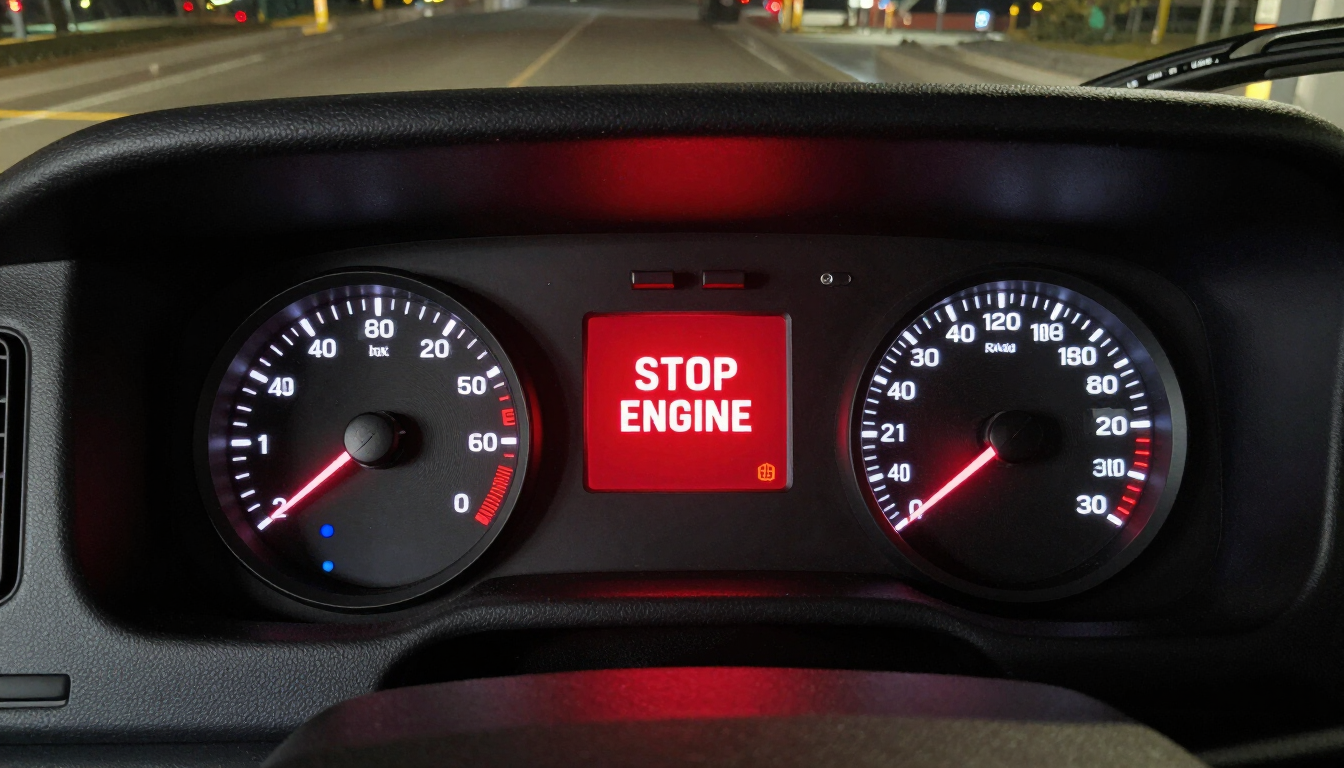
The decision should also consider urgency. If a vehicle has a small issue that can be addressed quickly, on-site service may get it back on the road faster. If the vehicle is unsafe to drive, leaking fluids, overheating, struggling to shift, or showing serious warning signs, shop repair may be necessary.

Fleet size matters as well. Businesses with several vehicles may benefit more from scheduled on-site maintenance because multiple vehicles can be serviced at once. Smaller fleets may prefer shop service when they need detailed diagnostics or repairs. Either way, the goal is to keep vehicles reliable and avoid unexpected breakdowns.

Professional Fleet Maintenance helps businesses manage both routine maintenance needs and commercial vehicle repairs. By evaluating the condition of each vehicle and the type of service required, the team can help fleet owners choose the most practical repair path.

On-site fleet maintenance and shop repairs both have value. On-site service can save time and simplify preventative maintenance, while shop repairs are often better for complex diagnostics and major repairs. With the right maintenance partner, businesses can use both options to reduce downtime, improve safety, and keep their fleet running strong.

By VIV Builder June 15, 2026
Use this commercial vehicle maintenance checklist for Florida fleets, covering fluids, tires, brakes, batteries, cooling, and more to reduce downtime and keep vehicles road-ready.
By VIV Builder May 11, 2026
Discover the true cost of fleet downtime and how regular preventative maintenance protects your bottom line by reducing breakdowns, controlling costs, and extending vehicle life.
By VIV Builder May 4, 2026
Learn when to replace a fleet vehicle engine or transmission versus repair or retire, by weighing repair costs, downtime, vehicle condition, and long-term fleet needs.
By VIV Builder April 27, 2026
Learn the diesel repair warning signs fleet managers should never ignore, from hard starts and smoke to overheating and power loss, before small issues cause major downtime.
By VIV Builder April 20, 2026
Learn what Florida fleet owners need to know about DOT inspections, from brake and tire checks to recordkeeping and preventative maintenance that keeps fleets compliant.
By VIV Builder April 13, 2026
Learn how professional fleet repair in Tampa keeps commercial vehicles road-ready, from preventative maintenance and diagnostics to brake and tire service that reduces downtime.
By VIV Builder April 6, 2026
Discover what Fort Lauderdale businesses should look for in a fleet repair partner, from diagnostics and preventative maintenance to fast turnaround and local expertise.
By VIV Builder March 30, 2026
Learn how preventative fleet maintenance helps Florida businesses reduce downtime, avoid costly breakdowns, improve safety, and extend the life of their commercial vehicles.
March 25, 2026
The body content of your post goes here. To edit this text, click on it and delete this default text and start typing your own or paste your own from a different source.
March 25, 2026
The body content of your post goes here. To edit this text, click on it and delete this default text and start typing your own or paste your own from a different source.
Show More