
Hurricane Season Readiness: Fleet Maintenance Guide
Hurricane season readiness for commercial fleets requires proactive preventative maintenance , including battery testing, fluid checks, and tire inspections. Fleet managers must also implement a staging plan that moves vehicles to high ground and ensures all fuel services are completed before storm landfall to guarantee immediate post-storm operational capacity.
How do you prepare a commercial fleet for hurricane season?
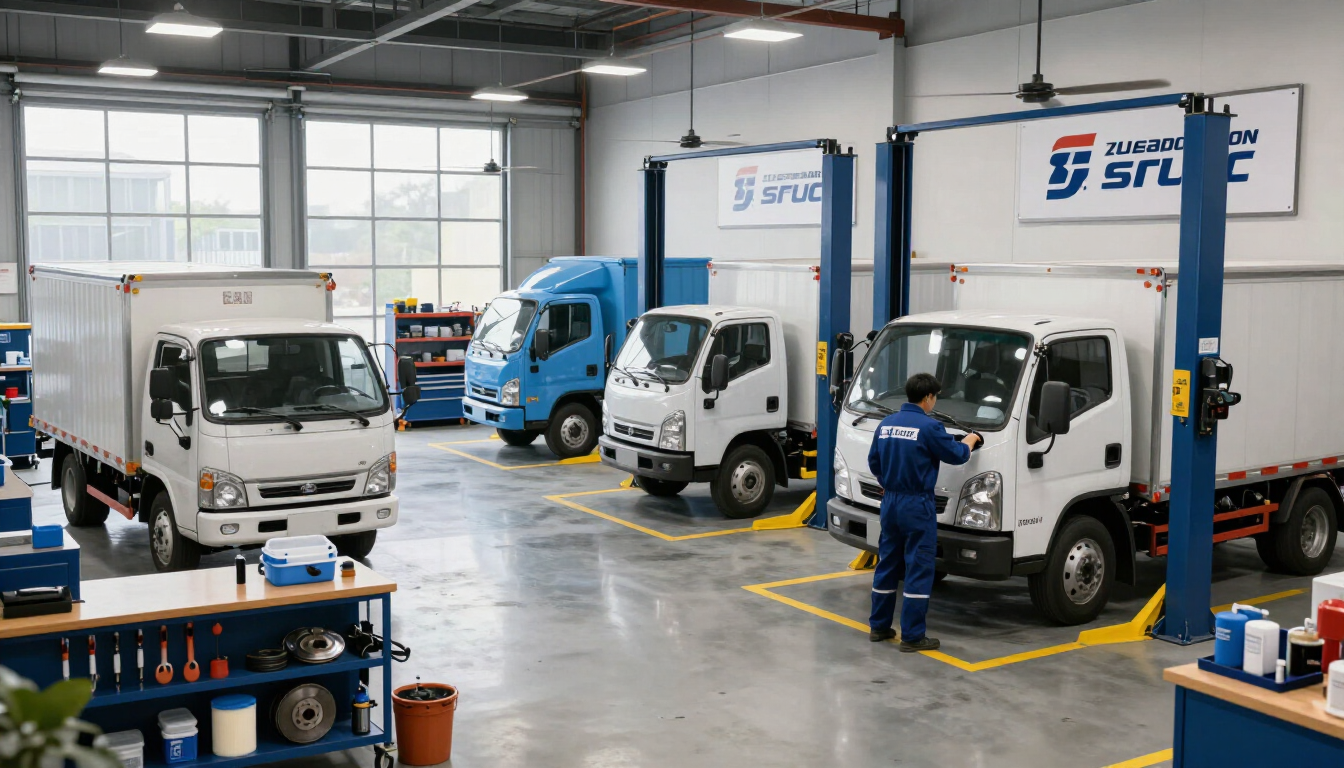
Preparing a commercial fleet for the Atlantic hurricane season is a multifaceted process that starts long before the first tropical wave rolls off the coast of Africa. In South Florida, where the threat is a seasonal reality, the goal is to minimize downtime and prevent catastrophic mechanical failure. An effective readiness plan balances high-level logistics with the ground-level reality of medium duty truck service . For over 20 years, I’ve seen how a well-maintained fleet can be the difference between a business that recovers in 24 hours and one that is sidelined for weeks.
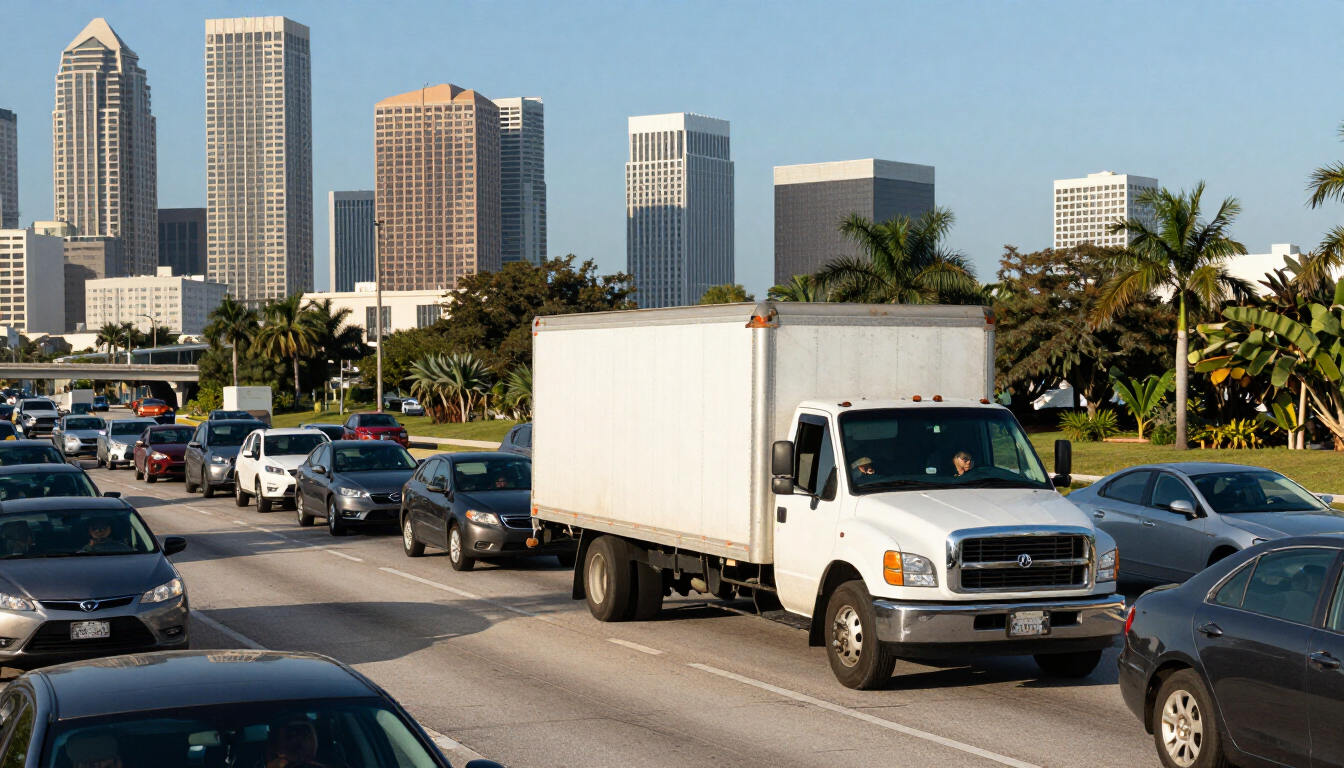
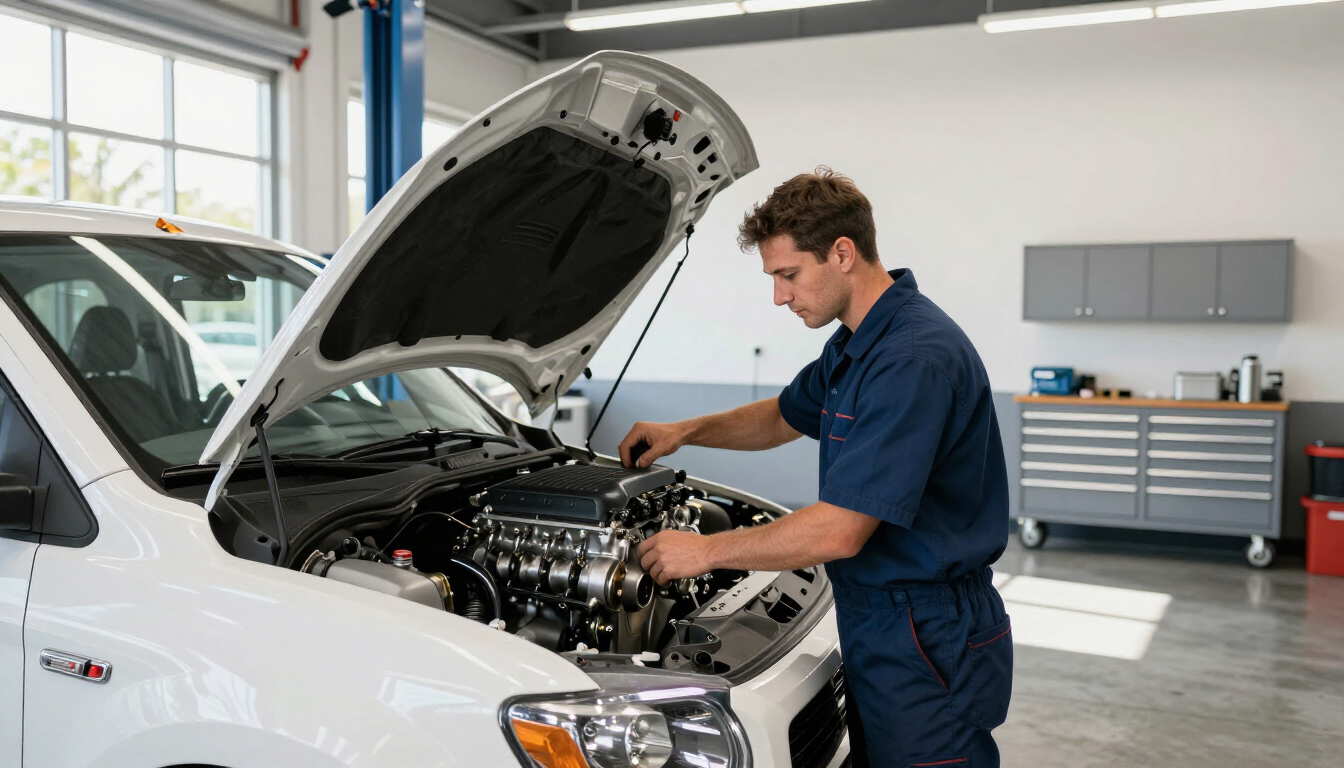
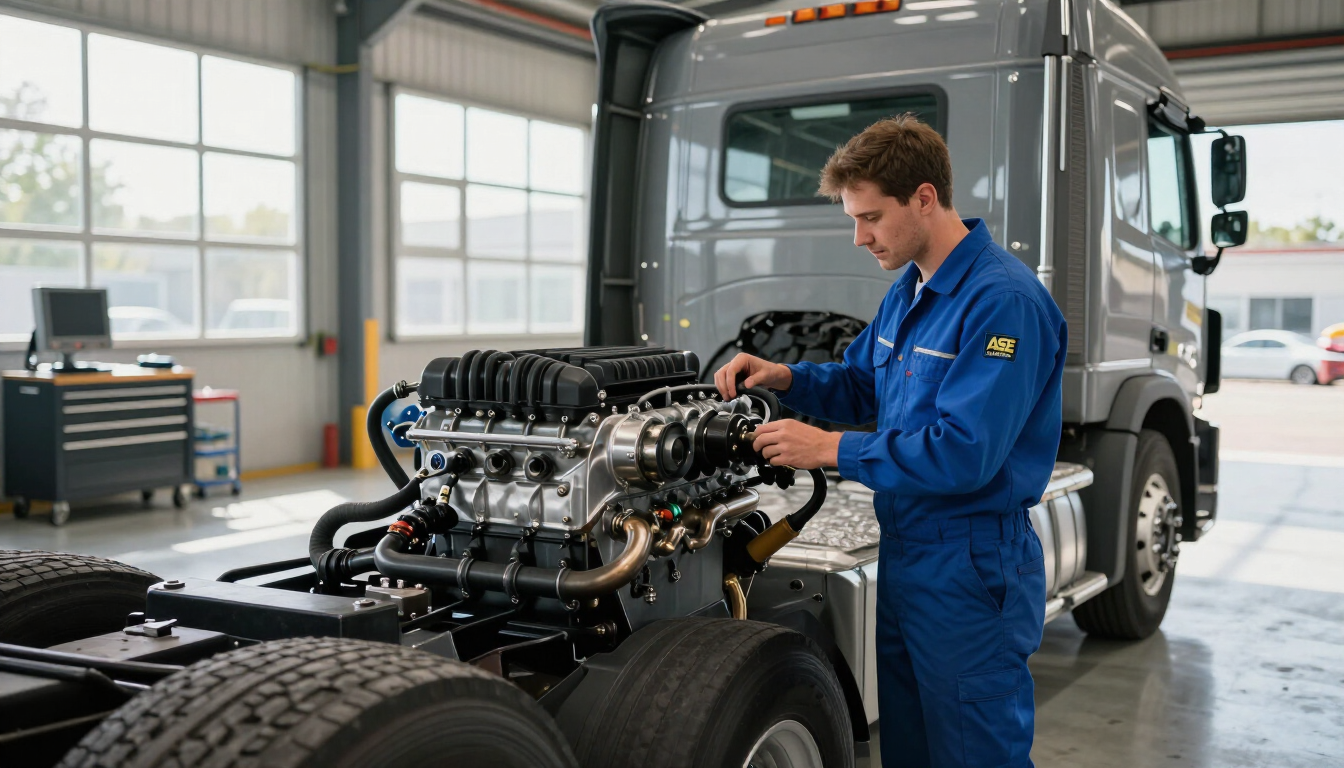
The first step is a comprehensive audit of your current fleet services . You need to know which trucks are 100% mission-ready and which ones have lingering issues that could be exacerbated by extreme weather. This is where ASE-Certified technicians become your greatest asset. We don't just look for what’s broken; we look for what is likely to fail under the stress of heavy rain, high winds, and the stop-and-go traffic that defines a pre-storm evacuation or a post-storm recovery period.
Communication is the secondary pillar of readiness. Your drivers need to know the protocol for when a watch is issued versus a warning. This includes specific instructions on where to park, how to document the vehicle's condition, and when to top off the tanks. In Broward, Miami-Dade, and Palm Beach counties, the window of opportunity to fuel up closes rapidly as residents crowd stations. Having an internal fuel service plan or a mobile fueling partner is essential for maintaining operational continuity.
Critical Maintenance for Medium Duty Trucks
When we talk about preventative maintenance in the context of hurricane prep, we are looking at systems that are most vulnerable to the elements. High winds can turn minor loose components into projectiles or points of failure. Heavy rains test every seal and electrical connection on your trucks. If your vehicles are Isuzu , Hino , or Freightliner medium-duty models, they have specific vulnerabilities that need attention during your pre-season walkthrough.
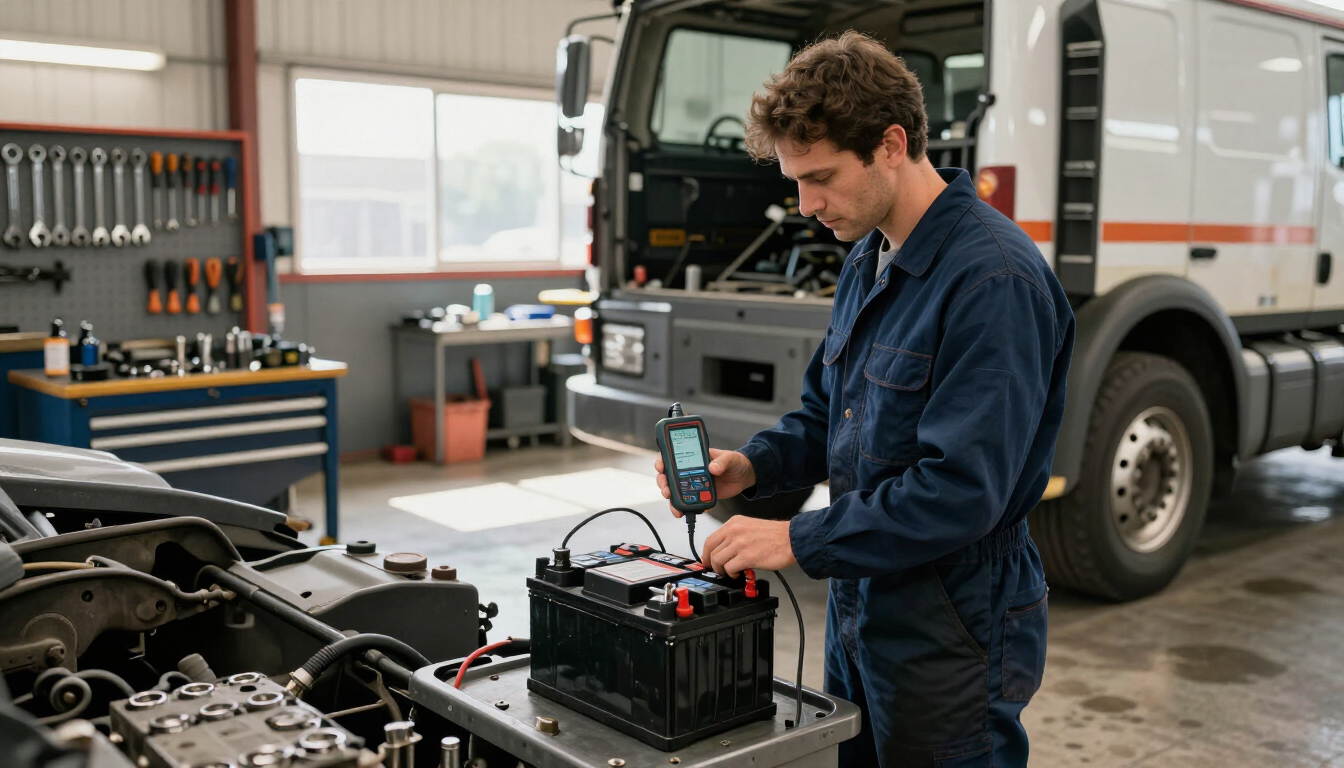
Electrical systems are at the top of the list. South Florida’s humidity is already hard on batteries, but the added pressure of a storm can be the tipping point. We recommend a full battery & electric diagnostic. This includes checking the state of charge, cleaning terminals to prevent corrosion from salt-laden air, and ensuring the alternator is providing a steady output. A truck that won't start after the storm has passed is a truck that isn't making you money. We also look at the lighting systems; post-storm environments are often dark due to power outages, and your drivers need every lumen available to navigate debris-cluttered streets safely.
Next, we focus on the “wet” systems. This involves a deep dive into belts, hoses, and filters . A worn belt that slips in dry weather will almost certainly fail in a torrential downpour. Similarly, cracked hoses can allow moisture to enter systems where it doesn't belong. We also ensure that oil changes are up to date. Fresh oil provides better lubrication and protection against the internal heat generated when a truck is idling for long periods—a common occurrence when navigating post-storm traffic patterns or providing stationary power/support.
Why is battery health vital before a major storm?
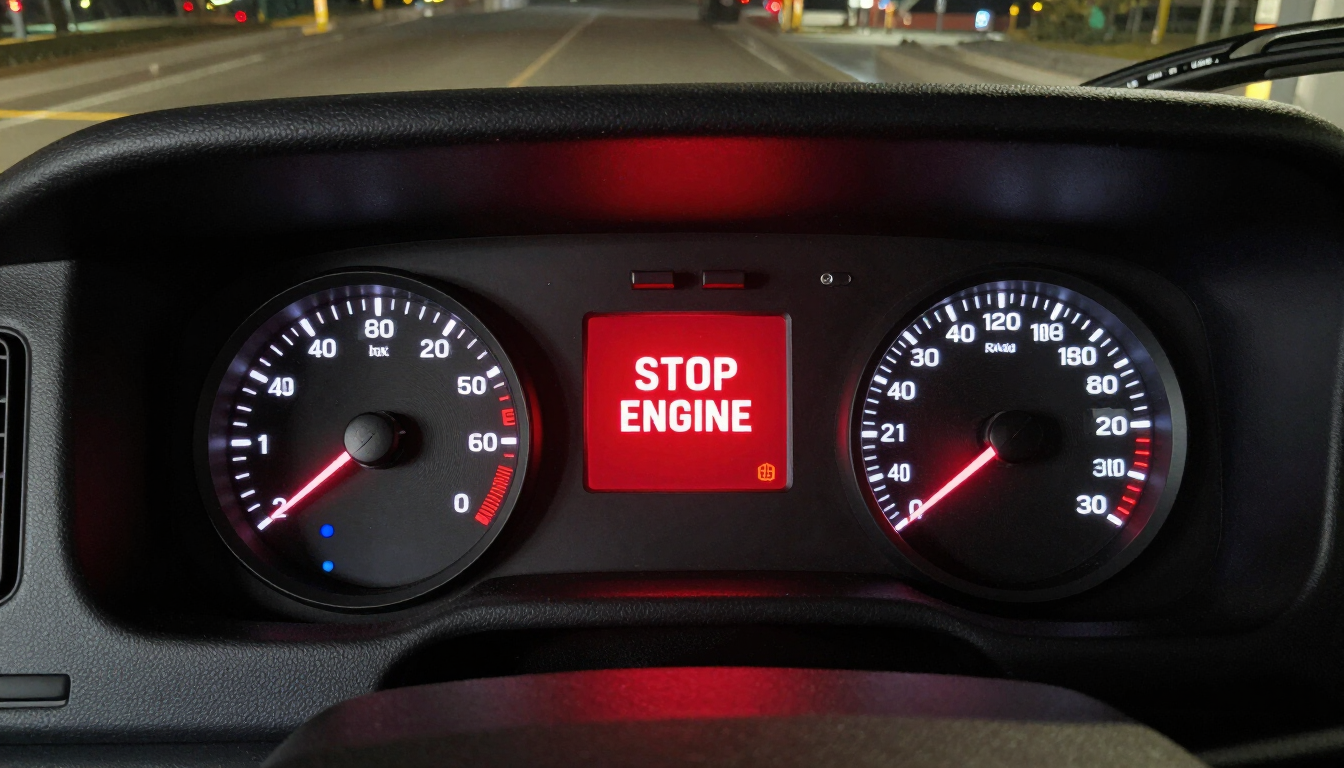
Battery health is vital because the electrical system is the heartbeat of your medium-duty trucks. During a hurricane, vehicles are often subjected to prolonged periods of inactivity followed by high-demand usage. If a battery is already near the end of its life cycle, the drop in atmospheric pressure and the spike in humidity can lead to rapid discharge or internal shorting. Furthermore, modern trucks rely heavily on electronic control modules (ECMs) that are sensitive to voltage fluctuations. A weak battery can cause ghost codes and sensor errors that might put a truck into a “limp mode” just when you need it most.
Our ASE-Certified techs use load testers to simulate the actual strain of a cold start. We also pay close attention to the battery hold-downs. In high-wind events, if a vehicle is being buffeted, a loose battery can vibrate enough to damage internal plates or even crack the casing. It’s a simple check, but it’s one that often gets overlooked in the rush to secure the yard. Ensuring your battery & electric system is robust is the single most effective way to ensure your fleet is ready to roll the moment the “all clear” is given.
Strategic Staging in Broward and Miami-Dade
Staging is about more than just parking trucks in a line; it’s about tactical placement to avoid the specific risks of our geography. In South Florida, flooding is often a greater threat to a fleet than the wind itself. When planning your staging in Fort Lauderdale, FL or Miami, you must identify “high ground.” Even a few inches of elevation can save a truck’s transmissions and differential from water intrusion.
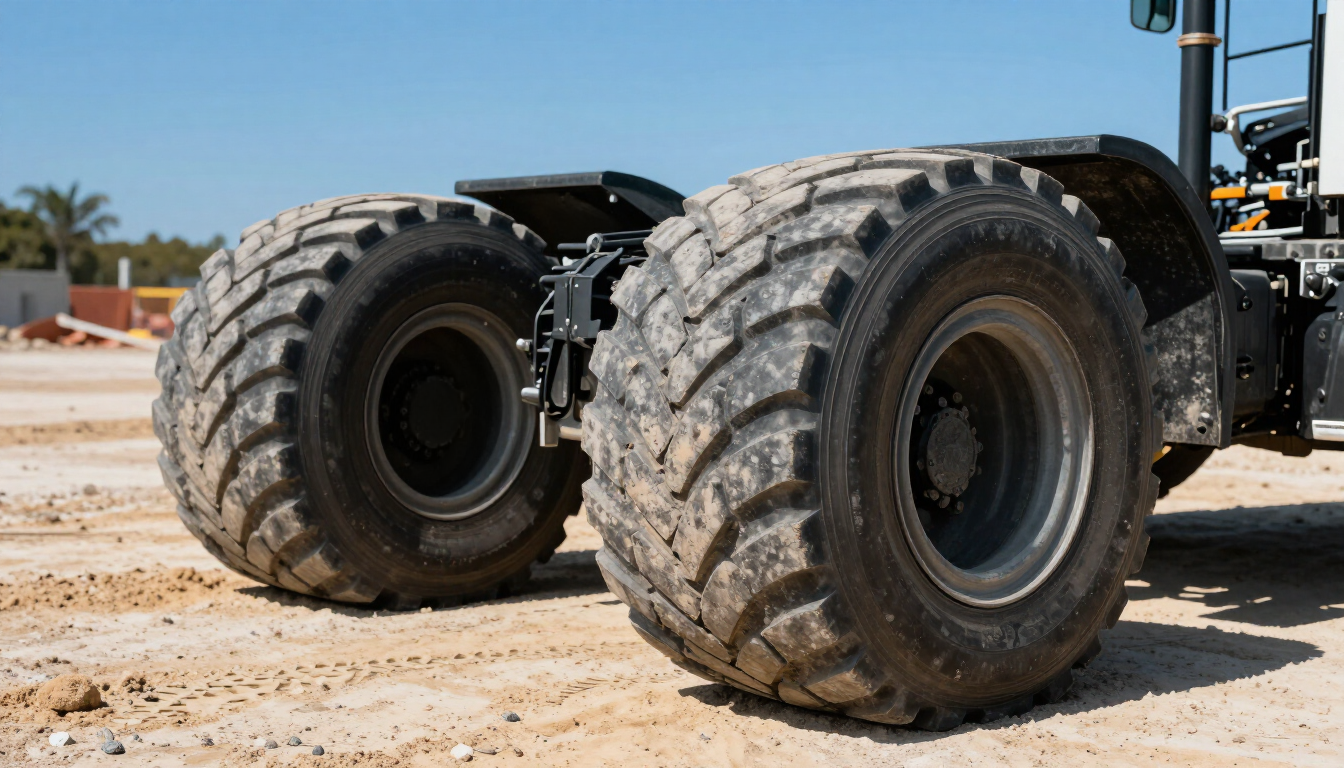
Avoid parking near large trees, power lines, or lightweight structures that could collapse. If possible, stage trucks in a “tight pack” formation. Parking vehicles close together—nose to tail and side to side—can help break the wind and reduce the chance of a single vehicle being tipped or shifted by a gust. However, ensure that the area has adequate drainage. You don’t want to create a “bowl” effect where water collects around the tires and suspensions , leading to rusted components or compromised brake service hardware.
- Identify Flood Zones : Use local county maps to find areas above the projected surge.
- Secure Loose Items : Remove any loose equipment from flatbeds or open bays.
- Seal Intakes : For vehicles parked in particularly exposed areas, consider temporary covers for air intakes.
- Document Everything : Take photos of the staged fleet for insurance purposes before the storm.
- Fuel Strategy : Ensure all vehicles are staged with at least a 3/4 tank of fuel to prevent moisture buildup in the tanks.
What should be in a post-storm recovery inspection?
Once the storm has passed and it is safe to return to the yard, do not simply jump in and turn the key. A systematic post-storm inspection is required to prevent secondary damage. Start with a visual walk-around. Look for signs of water lines on the tires or chassis. If water reached the hubs, your brake service and wheel bearings may need immediate attention to prevent seizing. Check for debris lodged in the radiator repair area or the undercarriage, which can cause overheating or damage to timing belts once the engine starts.
Check all fluid levels. If the oil looks milky, do not start the engine; this is a clear sign of water contamination and requires an immediate flush and engine service . Check the air filter housing for moisture. If the filter is damp, it must be replaced before the truck is put into service. Finally, test the heating and air conditioning. While it might seem like a luxury, in the 90-degree heat and 100% humidity that follows a Florida hurricane, a functioning A/C system is a safety requirement for drivers who are often working longer-than-normal shifts in stressful conditions.