The True Cost of Fleet Downtime and How Regular Maintenance Protects Your Bottom Line

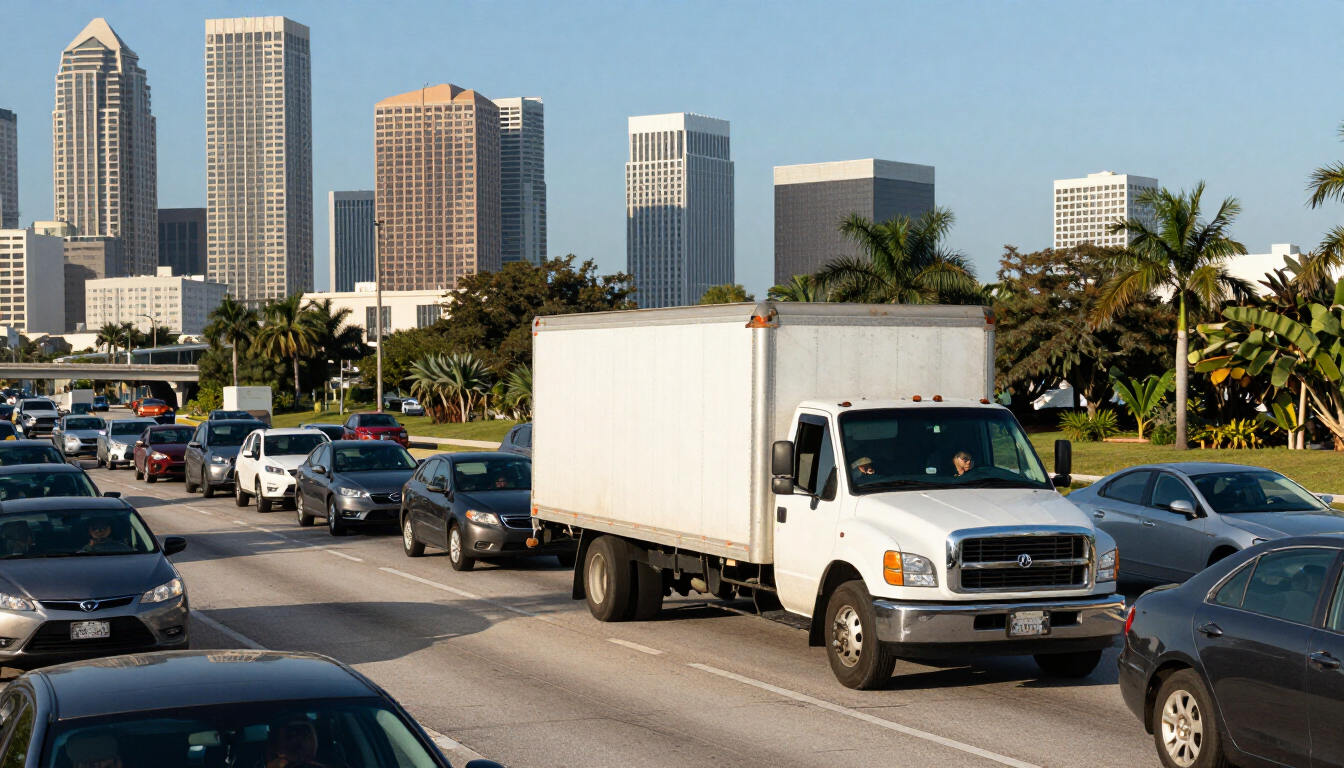
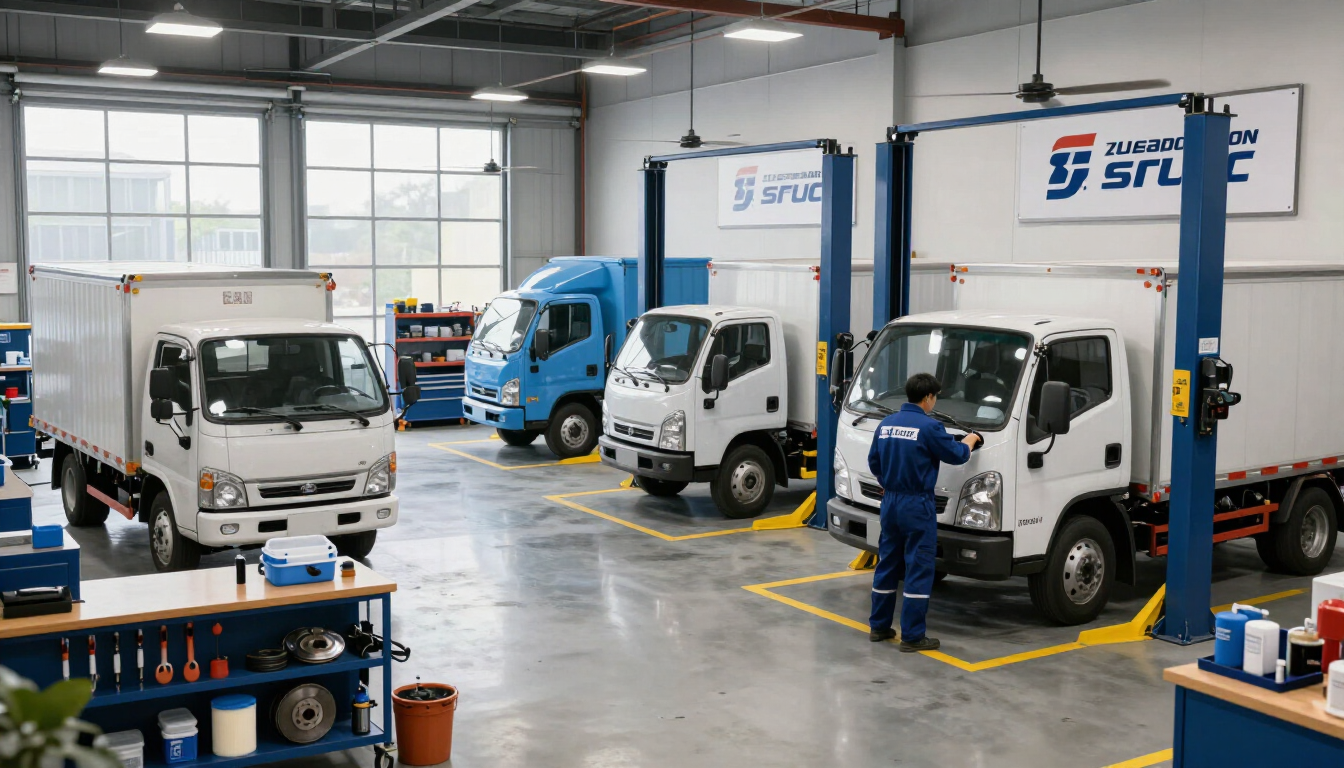
Fleet downtime is one of the most expensive problems a business can face. When a commercial vehicle is out of service, the cost goes far beyond the repair bill. A down vehicle can delay jobs, interrupt deliveries, reduce employee productivity, frustrate customers, and create scheduling problems across the entire business. For companies that depend on trucks, vans, diesel vehicles, or service vehicles every day, regular fleet maintenance is one of the best ways to protect the bottom line.

Every hour of downtime creates a ripple effect. If a service truck cannot make it to a job, the customer may need to be rescheduled. If a delivery vehicle is not available, orders may arrive late. If a work van breaks down, an employee may lose an entire day of productivity. In some cases, the business may need to rent a replacement vehicle, pay overtime, or shift work to another team member. These hidden costs can add up quickly.

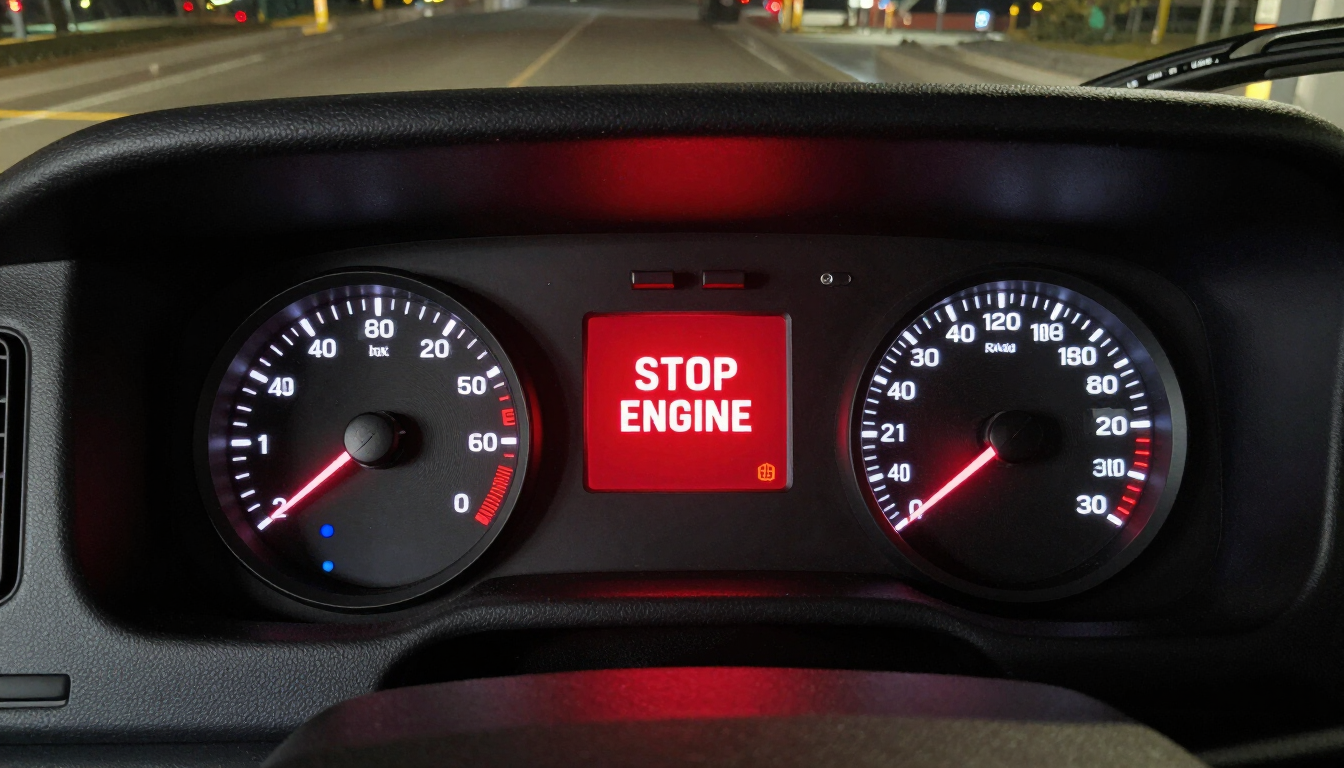
One of the main reasons downtime becomes so expensive is because breakdowns are often unexpected. A vehicle may seem fine one day and fail the next because of a worn belt, weak battery, brake issue, coolant leak, tire problem, or engine performance concern. Without regular inspections, these small issues can go unnoticed until they turn into emergency repairs.

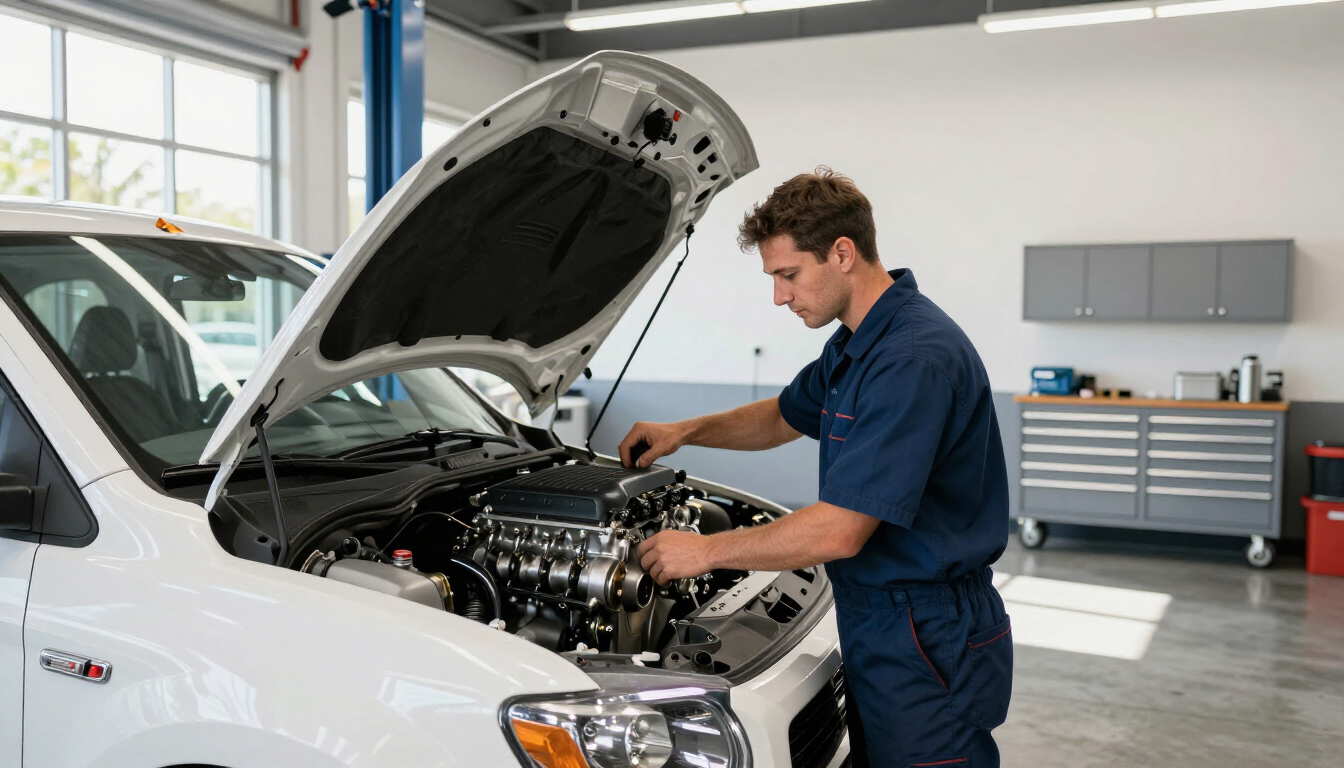
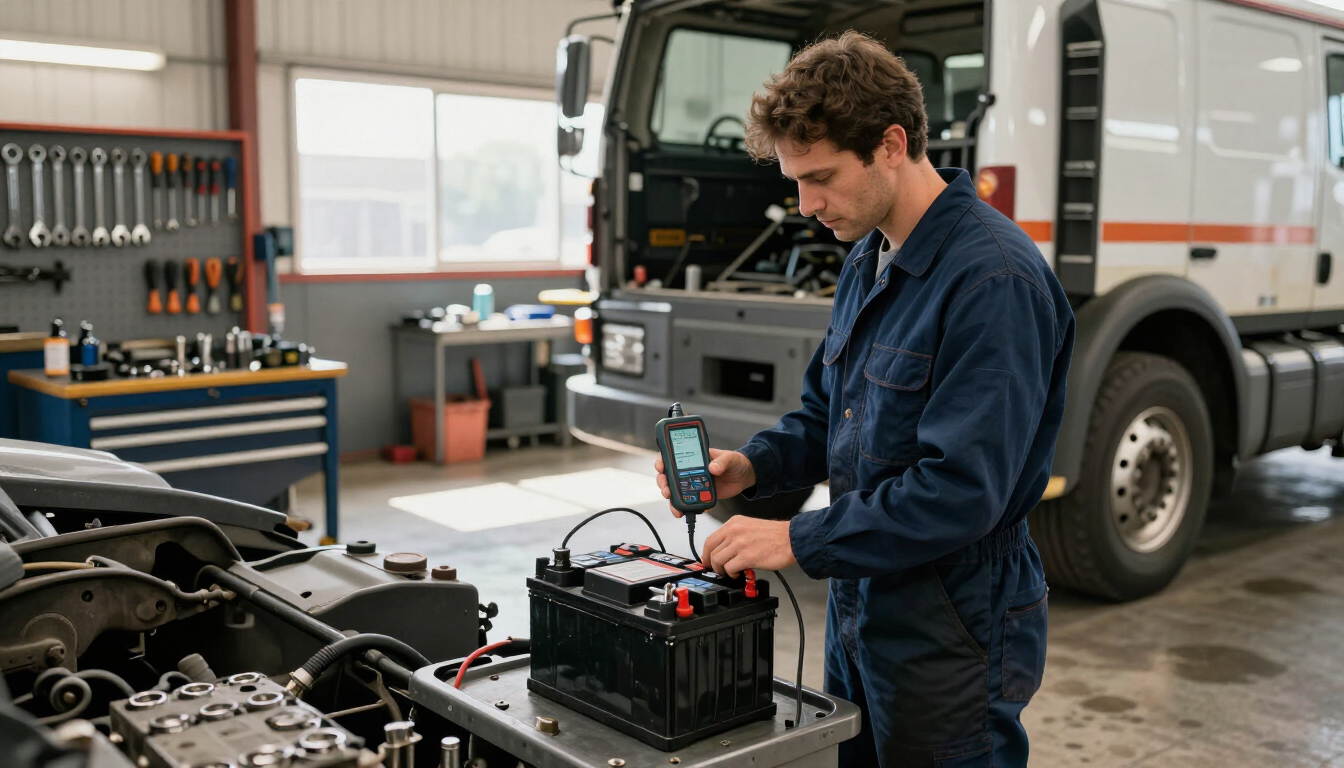
Preventative fleet maintenance helps reduce this risk by catching problems early. Routine oil changes, fluid checks, tire inspections, brake service, battery testing, diagnostic scans, filter replacements, and safety inspections all help keep vehicles reliable. Instead of waiting for a vehicle to fail, businesses can schedule service before a problem causes downtime.

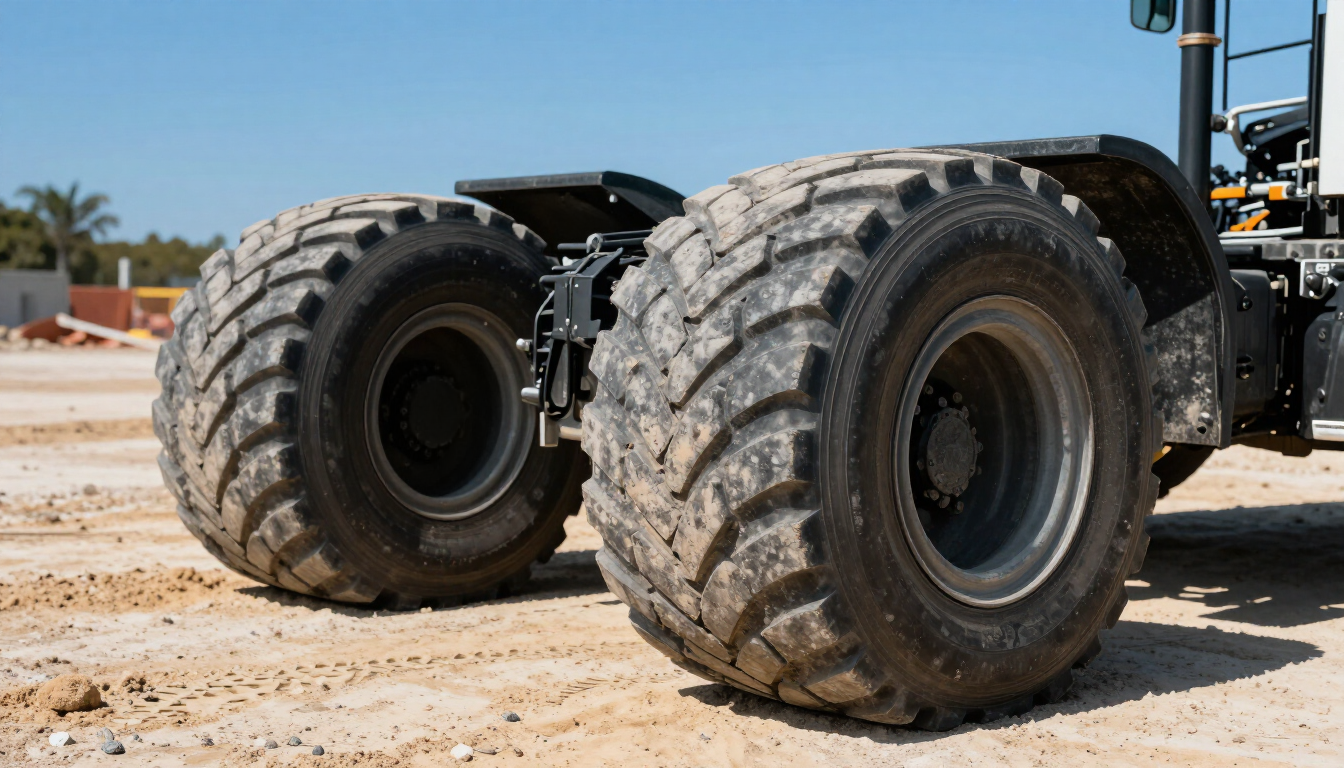
Regular maintenance also helps extend the life of commercial vehicles. Fleet vehicles often work harder than personal vehicles because they drive more miles, idle longer, carry heavier loads, and operate in demanding conditions. Without proper maintenance, engines, transmissions, brakes, suspension systems, and cooling systems can wear out faster. A consistent service plan helps protect these major components and reduces the need for premature vehicle replacement.

For Florida businesses, maintenance is especially important. Heat, humidity, heavy traffic, and long operating hours can put extra stress on batteries, cooling systems, tires, brakes, and air conditioning systems. A vehicle that is not prepared for these conditions is more likely to experience performance issues or roadside failure. Regular inspections help confirm that each vehicle is ready for daily use.

Fleet downtime can also affect customer relationships. When vehicles are unreliable, businesses may miss appointments, arrive late, or fail to meet service expectations. Over time, this can damage trust and lead customers to look elsewhere. Reliable vehicles help businesses provide consistent service and maintain a professional reputation.

Another major cost of downtime is driver frustration. Employees need safe, dependable vehicles to do their jobs well. When vehicles constantly break down or need last-minute repairs, it creates stress for the team and makes operations less efficient. Keeping fleet vehicles properly maintained supports both safety and employee productivity.

A strong fleet maintenance program can also help businesses budget more effectively. Emergency repairs are often more expensive than scheduled service because they may involve towing, rush parts, lost labor time, and larger mechanical failures. Preventative maintenance makes repair needs more predictable and helps reduce financial surprises.

Professional Fleet Maintenance helps businesses reduce downtime with preventative fleet maintenance, diagnostics, inspections, diesel repair, brake service, and commercial vehicle repair. By keeping vehicles serviced and identifying issues early, businesses can avoid many of the problems that lead to costly interruptions.

Fleet downtime is not just a mechanical issue. It is a business issue. Regular maintenance helps protect revenue, customer service, employee productivity, and vehicle lifespan. For any company that depends on commercial vehicles, investing in fleet maintenance is one of the smartest ways to keep operations moving.

By VIV Builder June 15, 2026
Use this commercial vehicle maintenance checklist for Florida fleets, covering fluids, tires, brakes, batteries, cooling, and more to reduce downtime and keep vehicles road-ready.
By VIV Builder May 25, 2026
Compare on-site fleet maintenance vs. shop repairs to find the best option for your business, balancing convenience, diagnostics, downtime, and fleet size.
By VIV Builder May 4, 2026
Learn when to replace a fleet vehicle engine or transmission versus repair or retire, by weighing repair costs, downtime, vehicle condition, and long-term fleet needs.
By VIV Builder April 27, 2026
Learn the diesel repair warning signs fleet managers should never ignore, from hard starts and smoke to overheating and power loss, before small issues cause major downtime.
By VIV Builder April 20, 2026
Learn what Florida fleet owners need to know about DOT inspections, from brake and tire checks to recordkeeping and preventative maintenance that keeps fleets compliant.
By VIV Builder April 13, 2026
Learn how professional fleet repair in Tampa keeps commercial vehicles road-ready, from preventative maintenance and diagnostics to brake and tire service that reduces downtime.
By VIV Builder April 6, 2026
Discover what Fort Lauderdale businesses should look for in a fleet repair partner, from diagnostics and preventative maintenance to fast turnaround and local expertise.
By VIV Builder March 30, 2026
Learn how preventative fleet maintenance helps Florida businesses reduce downtime, avoid costly breakdowns, improve safety, and extend the life of their commercial vehicles.
March 25, 2026
The body content of your post goes here. To edit this text, click on it and delete this default text and start typing your own or paste your own from a different source.
March 25, 2026
The body content of your post goes here. To edit this text, click on it and delete this default text and start typing your own or paste your own from a different source.
Show More