When Should You Replace a Fleet Vehicle Engine or Transmission?

Fleet vehicles are a major investment for any business. When one of those vehicles develops serious engine or transmission problems, fleet managers are often faced with an important decision. Should the business approve a major repair, replace the engine or transmission, or retire the vehicle completely? The right answer depends on the condition of the vehicle, repair costs, replacement costs, downtime, and the long-term needs of the fleet.

Engine and transmission problems can be expensive, but replacing the entire vehicle is not always the best financial choice. Many commercial vehicles are built to last for years when properly maintained. If the body, frame, suspension, interior, and other major systems are still in good condition, an engine or transmission replacement may give the vehicle more useful life at a lower cost than buying a new truck or van.

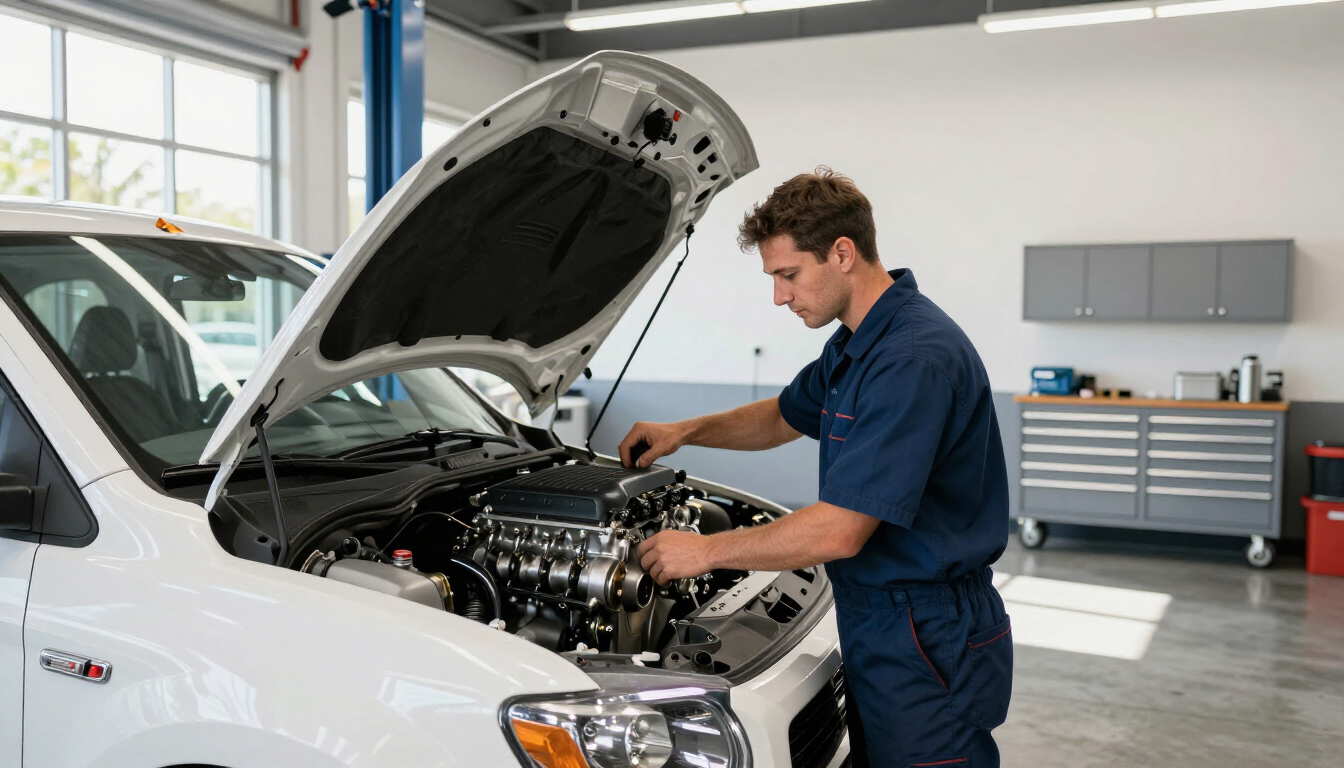
One sign that an engine replacement may be worth considering is repeated engine failure. If a vehicle has ongoing overheating, low compression, oil consumption, knocking, internal damage, or major performance problems, smaller repairs may no longer be enough. At some point, continuing to patch the same engine can cost more than replacing it with a dependable unit.

Transmission issues can create a similar situation. Slipping gears, delayed shifting, grinding, fluid contamination, overheating, or complete transmission failure can make a vehicle unsafe or unreliable. For a business that depends on the vehicle every day, a failing transmission can cause major downtime and scheduling problems.

Mileage is important, but it should not be the only factor. A high-mileage vehicle may still be worth repairing if it has been well maintained and the rest of the vehicle is in strong condition. On the other hand, a lower-mileage vehicle with rust, electrical problems, suspension issues, or repeated repair needs may not be a good candidate for a major investment.

Fleet managers should also compare repair costs to replacement costs. New commercial vehicles can be expensive, and availability may be limited depending on the type of vehicle needed. If replacing an engine or transmission costs significantly less than purchasing a new vehicle, the repair may make sense. This is especially true when the vehicle is already outfitted with shelves, equipment, wraps, tools, or specialized business features.

Downtime is another major consideration. A vehicle that is out of service affects productivity. If a replacement vehicle is not immediately available, repairing the existing vehicle may be the faster and more practical option. A professional fleet repair provider can help explain realistic timelines for engine replacement, transmission replacement, or other major repairs.

Businesses should also think about the expected future use of the vehicle. If the vehicle is needed for several more years and fits the company’s operations well, a major repair may be a smart investment. If the business is changing routes, reducing fleet size, upgrading vehicle types, or moving toward newer equipment, replacement may be the better choice.

Jasper Engines and Transmissions can be an option for businesses looking for reliable replacement units. Choosing a quality replacement engine or transmission can help restore performance and extend the life of the vehicle. For fleet owners, this can be a practical way to keep a valuable commercial vehicle in service without the cost of purchasing new.

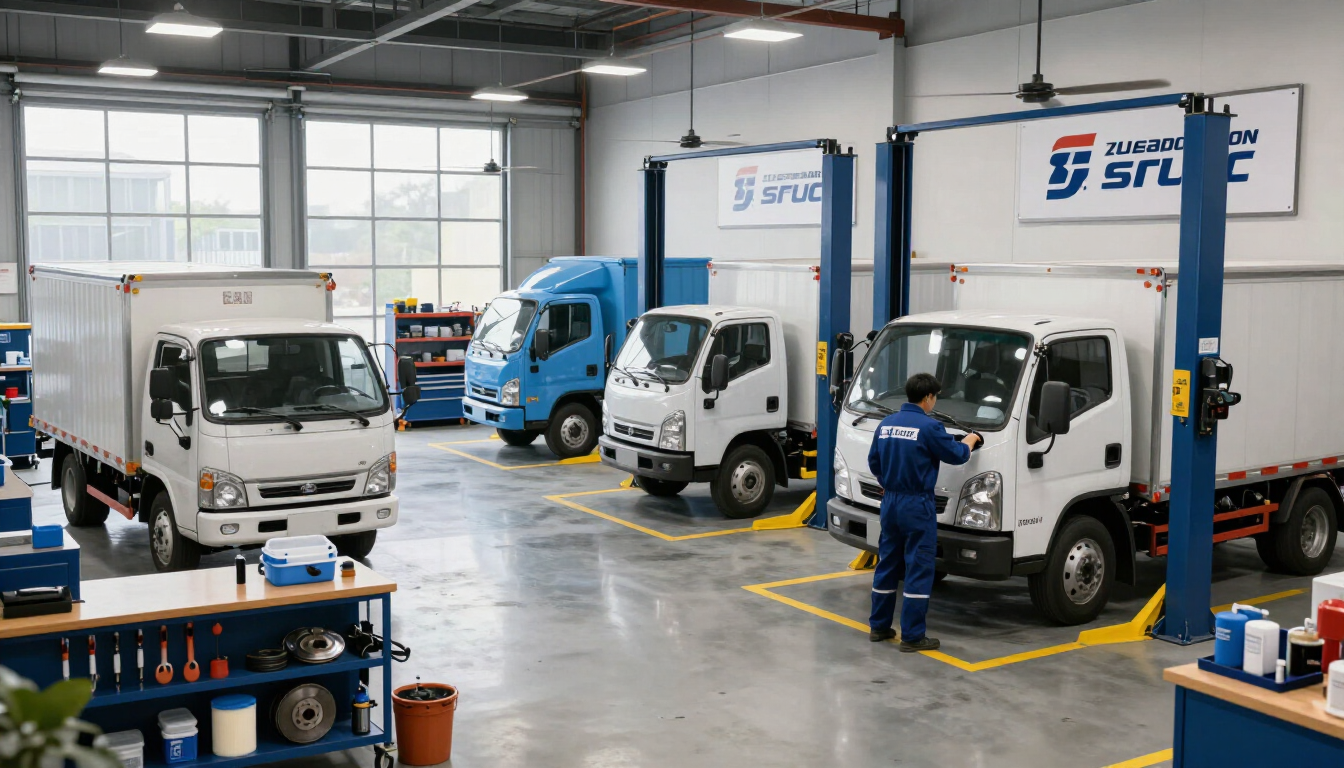
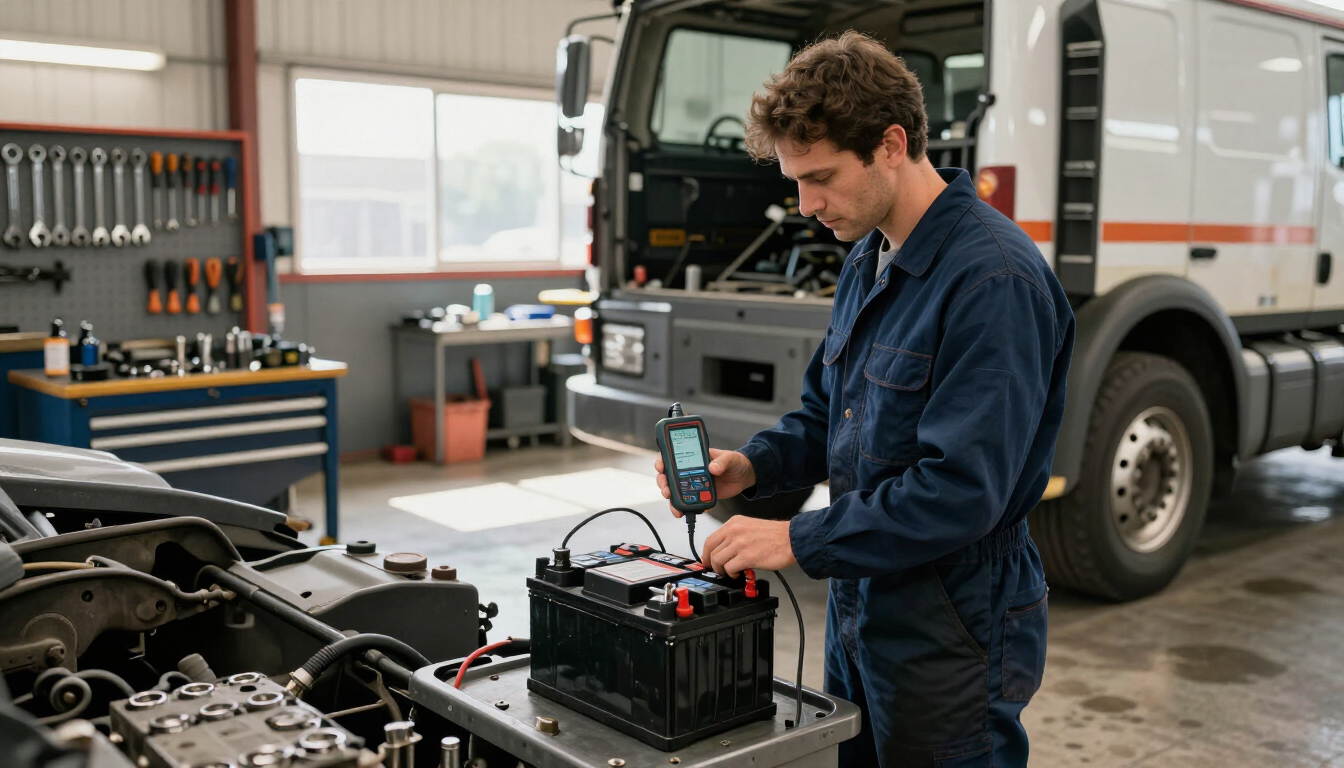
Professional Fleet Maintenance helps businesses evaluate engine and transmission issues, perform diagnostics, and determine the best repair path for commercial vehicles. The goal is to help fleet owners make practical decisions that protect both the vehicle and the business.

Replacing an engine or transmission is a major decision, but it can be the right move when the vehicle still has long-term value. By considering repair costs, downtime, vehicle condition, and future use, fleet managers can make a smarter choice for their business and keep their fleet moving.

By VIV Builder June 15, 2026
Use this commercial vehicle maintenance checklist for Florida fleets, covering fluids, tires, brakes, batteries, cooling, and more to reduce downtime and keep vehicles road-ready.
By VIV Builder May 25, 2026
Compare on-site fleet maintenance vs. shop repairs to find the best option for your business, balancing convenience, diagnostics, downtime, and fleet size.
By VIV Builder May 11, 2026
Discover the true cost of fleet downtime and how regular preventative maintenance protects your bottom line by reducing breakdowns, controlling costs, and extending vehicle life.
By VIV Builder April 27, 2026
Learn the diesel repair warning signs fleet managers should never ignore, from hard starts and smoke to overheating and power loss, before small issues cause major downtime.
By VIV Builder April 20, 2026
Learn what Florida fleet owners need to know about DOT inspections, from brake and tire checks to recordkeeping and preventative maintenance that keeps fleets compliant.
By VIV Builder April 13, 2026
Learn how professional fleet repair in Tampa keeps commercial vehicles road-ready, from preventative maintenance and diagnostics to brake and tire service that reduces downtime.
By VIV Builder April 6, 2026
Discover what Fort Lauderdale businesses should look for in a fleet repair partner, from diagnostics and preventative maintenance to fast turnaround and local expertise.
By VIV Builder March 30, 2026
Learn how preventative fleet maintenance helps Florida businesses reduce downtime, avoid costly breakdowns, improve safety, and extend the life of their commercial vehicles.
March 25, 2026
The body content of your post goes here. To edit this text, click on it and delete this default text and start typing your own or paste your own from a different source.
March 25, 2026
The body content of your post goes here. To edit this text, click on it and delete this default text and start typing your own or paste your own from a different source.
Show More